
Jan . 27, 2026 18:05 Back to list
Advancements in Dengue Diagnosis Utilizing Highly Sensitive Dengue PCR Testing
Understanding Dengue PCR Testing for Accurate Diagnosis
Dengue fever, a mosquito-borne viral infection, poses a significant public health challenge globally. Accurate and timely diagnosis is crucial for effective management and control of the disease. PCR (Polymerase Chain Reaction) testing has emerged as a cornerstone in dengue diagnosis, offering high sensitivity and specificity. This article explores the principles, benefits, and applications of Dengue PCR testing, along with insights from Cowingene's expertise in molecular diagnostics. Early detection of dengue through PCR testing is vital for reducing severe complications and mortality.
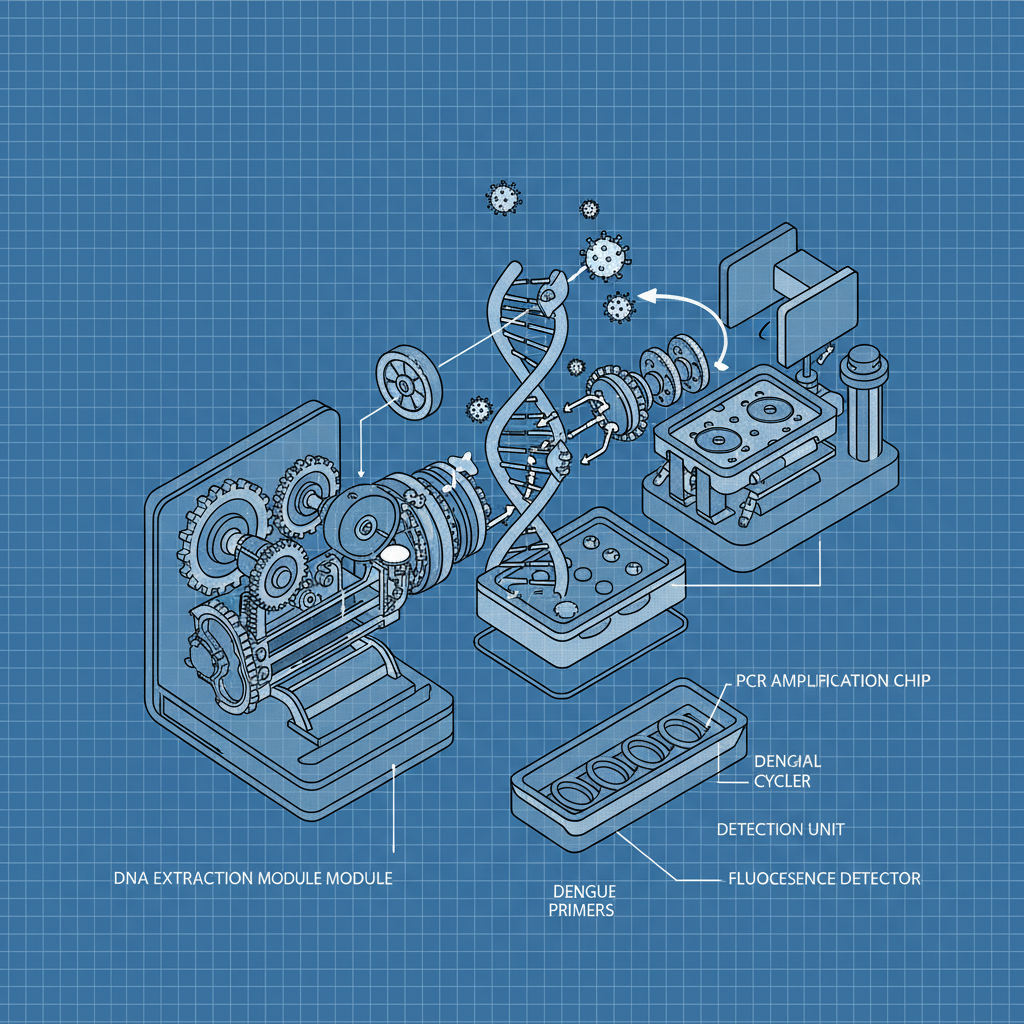
What is Dengue PCR Testing?
Dengue PCR is a molecular diagnostic test that detects the presence of dengue virus RNA in a patient's sample, typically blood. The PCR process involves amplifying specific viral RNA segments, making even tiny amounts of the virus detectable. This high sensitivity allows for early diagnosis, even before the onset of severe symptoms. Unlike antibody-based tests (like ELISA), PCR directly detects the virus itself, offering a more accurate assessment of current infection. Cowingene's Dengue PCR assays are designed for rapid and reliable detection, crucial for timely clinical decisions.
Key Highlights: Detects the presence of dengue virus RNA with high sensitivity. Enables early diagnosis, even before severe symptoms manifest. Offers a direct and accurate assessment of current infection status.
Dengue PCR vs. Other Diagnostic Methods
Several methods are available for dengue diagnosis, including traditional viral culture, ELISA-based antibody detection, and rapid diagnostic tests (RDTs). However, Dengue PCR offers distinct advantages in terms of sensitivity, specificity, and turnaround time. Viral culture is slow and has low sensitivity, while ELISA detects antibodies that may persist after the acute phase, potentially leading to false-positive results. RDTs can be less accurate and prone to cross-reactivity. Cowingene’s PCR assays deliver faster and more dependable results, aiding in optimal patient care.
Comparison of Dengue Diagnostic Methods:
• PCR: High sensitivity & specificity, rapid results.
• ELISA: Detects antibodies, potential for false positives.
• Viral Culture: Slow, low sensitivity.
• RDTs: Variable accuracy, potential cross-reactivity.
Benefits of Using Cowingene's Dengue PCR Assays
Cowingene offers a comprehensive range of Dengue PCR assays designed for accuracy, speed, and convenience. Our assays utilize advanced primer and probe designs to ensure specific detection of all four dengue virus serotypes (DENV-1, DENV-2, DENV-3, and DENV-4). The assays are validated for use with various sample types and platforms, providing flexibility for different laboratory settings. Furthermore, our stringent quality control measures guarantee reliable and reproducible results. Prompt and accurate diagnosis through Cowingene’s Dengue PCR tests enables clinicians to initiate appropriate treatment protocols, reducing morbidity and mortality.
Clinical Applications of Dengue PCR Testing
Dengue PCR testing plays a vital role in various clinical scenarios. It aids in confirming suspected dengue cases, differentiating dengue from other febrile illnesses, and monitoring treatment response. Early diagnosis is especially crucial for patients at risk of developing severe dengue (dengue hemorrhagic fever or dengue shock syndrome). PCR testing can also be used for surveillance purposes, tracking the spread of dengue virus in a community and informing public health interventions. Cowingene is committed to providing accurate and timely diagnostic solutions to support dengue control efforts.

Conclusion: The Power of Early and Accurate Diagnosis
Dengue PCR testing remains the gold standard for accurate and timely diagnosis of dengue fever. With its high sensitivity and specificity, it empowers clinicians to make informed decisions, initiate appropriate treatment, and improve patient outcomes. Cowingene’s commitment to innovation and quality ensures that our Dengue PCR assays provide reliable and actionable results, contributing to effective dengue control and prevention. Investing in advanced diagnostic tools like our PCR assays is essential for safeguarding public health.
Frequently Asked Questions (FAQs)
What is the turnaround time for Cowingene's Dengue PCR test?
Cowingene's Dengue PCR test is designed for rapid results. Typically, results are available within 2-4 hours of sample receipt, allowing for swift clinical decision-making. The exact turnaround time may vary depending on laboratory workflow and sample volume. However, we prioritize efficiency to ensure timely reporting of results, facilitating prompt patient management and public health surveillance. Accurate and rapid diagnosis through Cowingene’s PCR testing is crucial for effective dengue control.
What types of samples can be used for Dengue PCR testing?
Cowingene's Dengue PCR assays are validated for use with various sample types, including whole blood, serum, and plasma. The choice of sample type may depend on the stage of infection and clinical presentation. Whole blood samples are often preferred for early detection, while serum or plasma samples may be more suitable for later stages. Our assays are optimized to ensure reliable results regardless of the sample type used. Proper sample collection and handling are essential for accurate testing.
How does PCR testing differentiate between different dengue serotypes?
Cowingene’s Dengue PCR assays are designed to detect and differentiate between all four dengue virus serotypes (DENV-1, DENV-2, DENV-3, and DENV-4). The assays utilize specific primers and probes that target unique genetic sequences within each serotype. This allows for accurate identification of the infecting serotype, which can be valuable for epidemiological surveillance and understanding disease trends. Knowing the specific serotype can also help predict the potential severity of the infection.
What are the limitations of Dengue PCR testing?
While highly accurate, Dengue PCR testing has some limitations. The test is most effective during the acute phase of infection when viral load is highest. Viral RNA levels may decline rapidly as the infection progresses, potentially leading to false-negative results. Additionally, PCR testing can sometimes detect non-viable viral RNA, which doesn't necessarily indicate an active infection. It is important to interpret PCR results in conjunction with clinical findings and other laboratory data.
Related PRODUCTS
-
Rapid HPV 16/18/45 Molecular Detection with NATBox for Targeted Cervical Cancer Screening
NewsApr.24,2026 -
High-Sensitivity HPV (2+16) Molecular Detection for Early Cervical Cancer Screening
NewsApr.24,2026 -
Comprehensive HPV 28 Genotyping Solution for Advanced Cervical Cancer Screening
NewsApr.24,2026 -
Comprehensive HPV 15 Genotyping Solution for Accurate Cervical Cancer Risk Assessment
NewsApr.24,2026 -
Comprehensive 14-Pathogen STI Detection Solution for Accurate Molecular Diagnosis
NewsApr.24,2026 -
Accurate and Reliable HSV-1/2 Molecular Detection for Clinical Diagnosis
NewsApr.24,2026