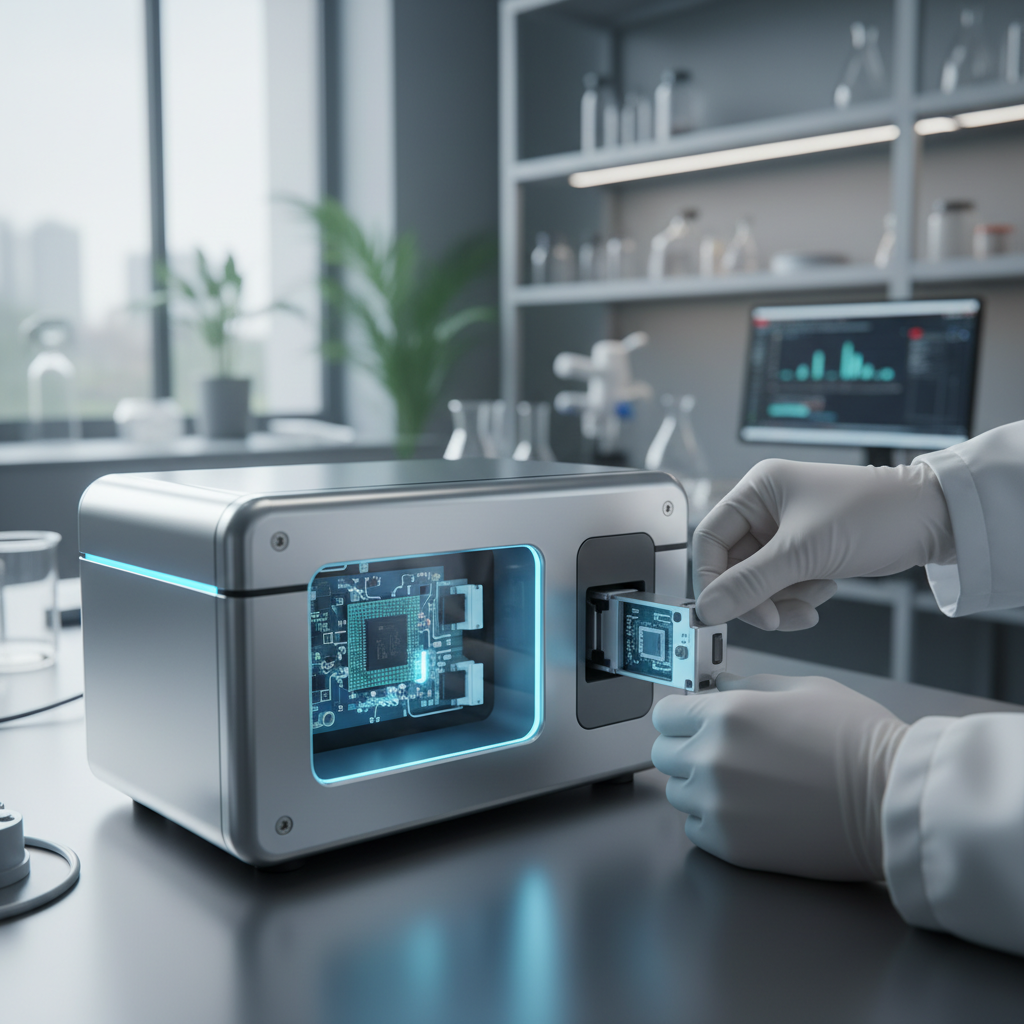
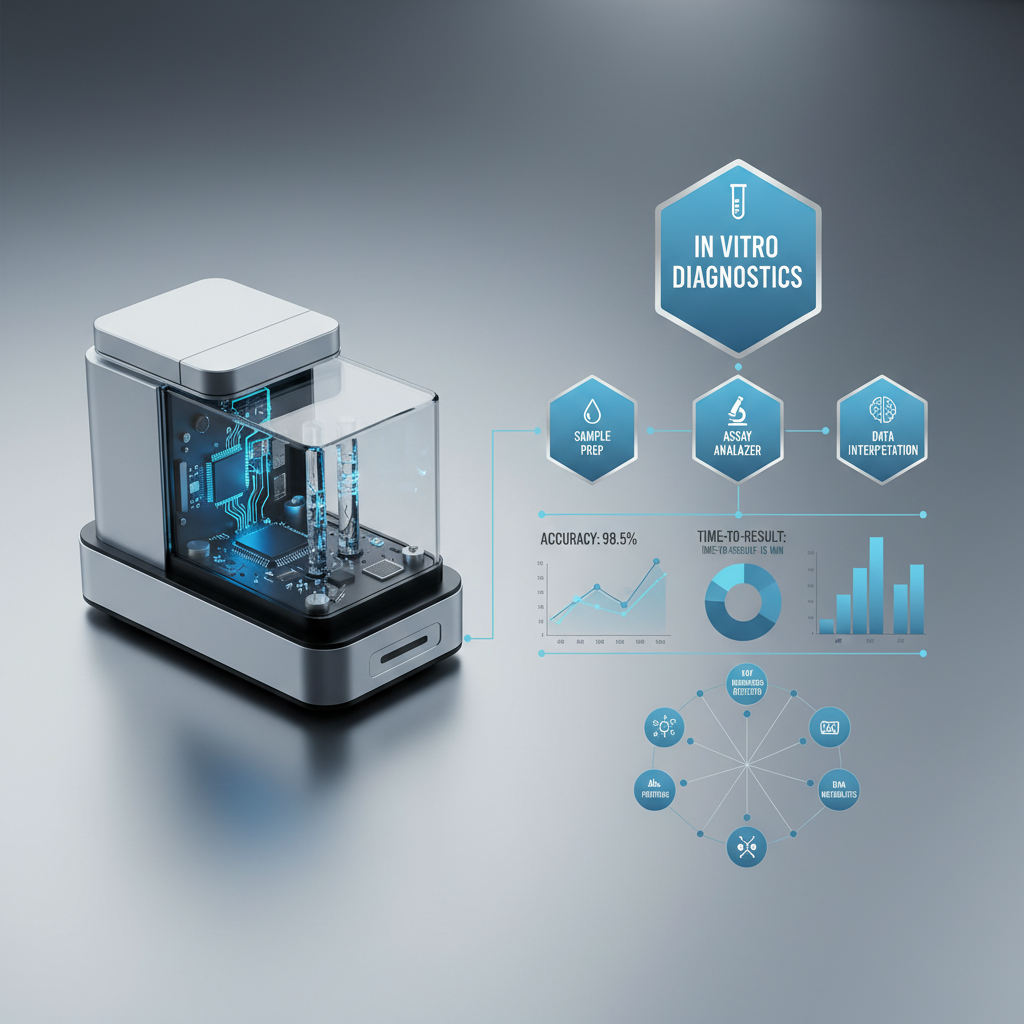
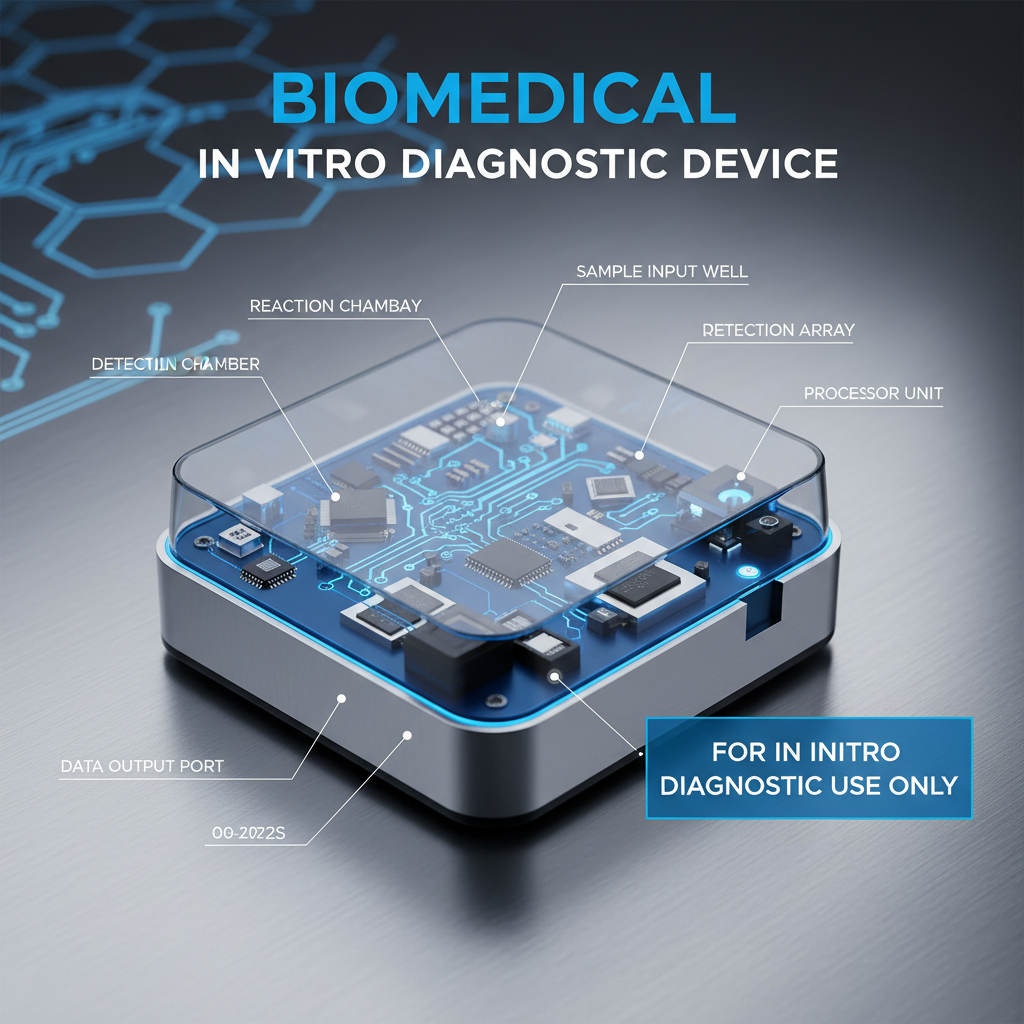
In vitro diagnostics (IVD) represents a cornerstone of modern healthcare, impacting everything from routine check-ups to critical disease management. These tests, conducted on samples like blood, tissue, and bodily fluids outside the body, provide vital information for diagnosis, monitoring, screening, and prevention. The global rise in chronic diseases, coupled with an aging population, is driving unprecedented demand for accurate and timely IVD solutions. Understanding the principles and advancements within this field is crucial for healthcare professionals, researchers, and anyone interested in the future of medical science.
The economic impact of IVD is substantial. The global IVD market is a multi-billion dollar industry, projected to continue expanding significantly in the coming years. This growth is fueled by technological innovation, increasing healthcare expenditure, and expanding access to healthcare services in emerging economies. Effective IVD contributes to improved patient outcomes, reduced healthcare costs through early detection, and overall public health security.
Fundamentally, in vitro diagnostics empowers proactive healthcare. Moving beyond simply treating illness, IVD allows for preventative measures, personalized medicine approaches, and the early detection of potential health risks. This shift in focus towards prevention and personalized care is reshaping the healthcare landscape, and in vitro diagnostics is at the heart of this transformation. The power to provide actionable insights from a simple sample is reshaping patient care, and driving continued investment in the field.
Introduction to in vitro diagnostics
In vitro diagnostics plays a pivotal role in personalized medicine. By analyzing a patient’s unique biological markers, IVD enables healthcare providers to tailor treatments to individual needs, maximizing effectiveness and minimizing adverse reactions. This approach is particularly significant in areas such as oncology, where genetic testing can identify specific mutations driving tumor growth, guiding targeted therapies.
Furthermore, advances in in vitro diagnostics are crucial for global health security. Rapid and accurate diagnostic tests are essential for detecting and responding to infectious disease outbreaks, enabling swift implementation of public health measures like quarantine and vaccination campaigns. This was particularly evident during the COVID-19 pandemic, where widespread testing was critical for controlling the spread of the virus.
Global Relevance and Challenges in in vitro diagnostics
The World Health Organization (WHO) emphasizes the vital role of in vitro diagnostics in achieving universal health coverage. Access to reliable and affordable IVD is crucial, particularly in low- and middle-income countries where diagnostic capabilities are often limited. According to the UN Sustainable Development Goals, improved access to healthcare, including diagnostics, is a key target for achieving global health equity.
However, significant challenges remain. The cost of advanced IVD technologies can be prohibitive for many healthcare systems. Ensuring the quality and accuracy of tests, particularly in resource-constrained settings, is another major hurdle. Furthermore, regulatory complexities and a lack of standardized protocols can hinder the development and adoption of innovative IVD solutions.
The ISO 13485 standard is paramount for ensuring quality management systems within the in vitro diagnostics industry. Compliance with this standard assures manufacturers demonstrate consistent production and control, vital for reliable test results and patient safety. Addressing these challenges requires collaborative efforts from governments, industry, and international organizations to strengthen healthcare infrastructure and promote innovation in in vitro diagnostics.
Defining in vitro diagnostics and its Applications
In vitro diagnostics encompasses a wide range of tests performed on biological samples—such as blood, urine, tissues, and other bodily fluids—outside the human body (hence “in vitro,” meaning “in glass”). These tests analyze the chemical, genetic, and immunological characteristics of these samples to detect diseases, monitor health conditions, and guide treatment decisions.
The connection to modern industry and humanitarian needs is profound. From pharmaceutical development, where IVD tests are used to assess drug efficacy and safety, to disaster relief efforts, where rapid diagnostic tests are used to identify and control infectious disease outbreaks, in vitro diagnostics is integral to both advancement and response.
The applications are incredibly diverse. IVD includes tests for infectious diseases like HIV and tuberculosis, chronic conditions like diabetes and heart disease, genetic disorders, cancer, and fertility. Moreover, in vitro diagnostics is instrumental in blood banking, ensuring the safety of blood transfusions, and in therapeutic drug monitoring, optimizing medication dosages for individual patients.
Core Components of Effective in vitro diagnostics
One core component is Accuracy and Reliability. The validity of any diagnostic test hinges on its ability to provide consistent and trustworthy results. This requires rigorous quality control measures, standardized protocols, and adherence to regulatory guidelines.
Secondly, Speed and Efficiency are paramount. In many clinical scenarios, particularly in emergency situations or infectious disease outbreaks, rapid turnaround times are crucial for timely interventions. Point-of-care testing (POCT) devices, which provide results directly at the patient's bedside, exemplify this aspect.
A third crucial factor is Cost-Effectiveness. Making in vitro diagnostics accessible to all populations requires balancing performance with affordability. The development of low-cost diagnostic tests is essential, particularly for resource-limited settings.
Sensitivity and Specificity define a test’s ability to correctly identify those with a condition (sensitivity) and those without it (specificity). High sensitivity minimizes false negatives, while high specificity minimizes false positives, both vital for informed clinical decision-making.
Finally, Ease of Use and Automation simplify the testing process, reducing the risk of human error and increasing throughput. Automated analyzers and user-friendly interfaces streamline workflows and improve efficiency in clinical laboratories.
Comparison of Key in vitro diagnostics Parameters
Global Applications of in vitro diagnostics
In post-disaster relief operations, rapid diagnostic tests are vital for identifying and controlling outbreaks of infectious diseases like cholera and typhoid. Portable and easy-to-use IVD devices are deployed to assess the health status of affected populations and implement appropriate public health interventions.
In remote industrial zones, where access to centralized laboratory facilities is limited, point-of-care testing plays a crucial role in occupational health monitoring. IVD tests can detect exposure to hazardous substances, identify work-related illnesses, and ensure the safety of workers.
Moreover, in developed nations, in vitro diagnostics is integral to routine medical care, enabling early detection of chronic diseases, personalized treatment plans, and improved patient outcomes. From annual blood tests to sophisticated genetic screenings, IVD empowers proactive healthcare management.
Advantages and Long-Term Value of in vitro diagnostics
The most tangible benefit of in vitro diagnostics is cost reduction. Early disease detection and preventative care can minimize the need for expensive treatments and hospitalizations. Improved diagnostic accuracy reduces misdiagnosis and unnecessary procedures, further lowering healthcare expenditures.
From a sustainability perspective, efficient IVD testing practices can minimize waste generation and reduce environmental impact. The development of eco-friendly reagents and disposable materials contributes to a more sustainable healthcare system. The benefits extend beyond economics to safety and dignity. Reliable diagnostics empower patients to take control of their health, promoting well-being and quality of life.
Ultimately, in vitro diagnostics fosters innovation and trust within the healthcare ecosystem. Continuous advancements in diagnostic technologies drive the development of new therapies and personalized medicine approaches. The consistent delivery of accurate and reliable results builds patient confidence and strengthens the doctor-patient relationship.
Future Trends and Innovations in in vitro diagnostics
The rise of "lab-on-a-chip" technology promises to revolutionize in vitro diagnostics. These miniaturized devices integrate multiple laboratory functions onto a single chip, enabling rapid, automated, and highly sensitive testing with minimal sample volumes.
Digital transformation is reshaping the IVD landscape. Artificial intelligence (AI) and machine learning (ML) algorithms are being used to analyze complex diagnostic data, improve accuracy, and accelerate the development of new tests. Telehealth and remote patient monitoring are also expanding access to IVD services.
Sustainability initiatives are driving the development of eco-friendly reagents, biodegradable materials, and energy-efficient diagnostic platforms. The focus is on minimizing the environmental footprint of IVD while maintaining performance and affordability. Companies like in vitro diagnostics are leading innovation in sustainable diagnostic solutions.
Table Summarizing Challenges and Future Directions in in vitro diagnostics
| Challenge Area |
Current Limitations |
Proposed Solutions |
Potential Impact |
| Cost of Advanced Technologies |
High reagent costs, expensive instrumentation. |
Development of low-cost alternatives, pooled testing strategies. |
Increased accessibility in resource-limited settings. |
| Regulatory Complexity |
Varying approval processes across regions. |
Harmonization of regulatory standards, streamlined approval pathways. |
Faster innovation and wider market access. |
| Data Security and Privacy |
Protecting sensitive patient data from cyber threats. |
Robust data encryption, secure cloud storage, stringent access controls. |
Enhanced patient trust and compliance. |
| Skill Gap in Lab Personnel |
Shortage of trained technicians and scientists. |
Expanded training programs, automated diagnostic platforms. |
Improved test accuracy and efficiency. |
| Integration of New Technologies |
Challenges in implementing AI, ML, and IoT. |
Collaborations between IVD companies and tech firms, data standardization. |
Enhanced diagnostic capabilities and personalized medicine. |
| Point-of-Care Testing (POCT) Accuracy |
Maintaining accuracy in non-laboratory settings. |
Improved quality control measures, remote monitoring capabilities. |
Expanded access to diagnostics in remote areas. |
FAQS
In vitro diagnostics involve tests performed on samples outside the body, such as blood or tissue, while in vivo diagnostics involve tests performed inside the living organism, like imaging scans (MRI, CT). In vitro tests analyze biological markers, offering detailed insights into disease processes. In vivo tests provide anatomical and physiological information. Both are essential, but in vitro offers a more molecular-level understanding.
Point-of-care tests are designed for rapid, on-site analysis, often performed by non-laboratory personnel. Traditional lab tests require samples to be sent to a central laboratory, resulting in longer turnaround times. POC tests are ideal for emergency situations, remote locations, or when immediate results are needed. While POC tests may have slightly lower accuracy than lab tests, ongoing advancements are continually improving their performance.
IVD devices are typically regulated by national health authorities, like the FDA in the US and the EMA in Europe. These regulations ensure the safety, effectiveness, and quality of IVD products. Key requirements include quality management systems (ISO 13485), clinical performance evaluation, and pre-market approval or clearance processes. These regulations protect public health and ensure accurate diagnostic testing.
Artificial intelligence (AI) is transforming in vitro diagnostics by enabling faster and more accurate analysis of complex data. AI algorithms can identify subtle patterns in diagnostic results, improve image interpretation, and predict disease risk. AI is also accelerating the development of new diagnostic tests and personalizing treatment strategies. Machine learning algorithms are essential for analyzing the vast amounts of data generated by modern IVD technologies.
Challenges include limited access to infrastructure, lack of trained personnel, high costs, and unreliable electricity supply. Strategies to address these include developing low-cost, portable diagnostic devices, providing training to local healthcare workers, and establishing sustainable supply chains. Focusing on tests for prevalent local diseases and utilizing innovative funding models are also crucial.
Quality control is paramount in in vitro diagnostics. It ensures the accuracy, precision, and reliability of test results. This involves using standardized reagents, calibrators, and control materials, as well as adhering to strict laboratory protocols. Regular participation in proficiency testing programs and rigorous internal quality control checks are essential for maintaining the highest standards of diagnostic accuracy.
Conclusion
In vitro diagnostics is a critical and evolving field that underpins modern healthcare. From early disease detection to personalized medicine, IVD provides the essential information needed for informed clinical decision-making and improved patient outcomes. The advancements in technology, coupled with a growing understanding of disease mechanisms, are driving continuous innovation and expanding the scope of diagnostic capabilities.
Looking ahead, continued investment in research and development, along with a commitment to accessibility and affordability, will be crucial for realizing the full potential of in vitro diagnostics. Embracing digital transformation, prioritizing sustainability, and fostering collaboration between industry, academia, and healthcare providers will be key to shaping the future of this vital field. For more information on cutting-edge in vitro diagnostics solutions, visit our website at www.cowingene.com.