
Feb . 26, 2026 02:25 Back to list
Comprehensive Guide to Blood Test for West Nile Virus Diagnosis and Management
Blood Test for West Nile Virus: A Comprehensive Guide
West Nile Virus (WNV) is a mosquito-borne disease that can cause a range of symptoms, from mild flu-like illness to severe neurological disease. Early detection is crucial for managing the infection and preventing long-term complications. A blood test for West Nile Virus is the primary method for diagnosing the infection. This article provides a detailed overview of WNV, the available blood tests, interpretation of results, and the role of Cowingene in providing accurate and reliable testing solutions. Understanding the testing process and potential outcomes is vital for both healthcare professionals and individuals concerned about WNV exposure.
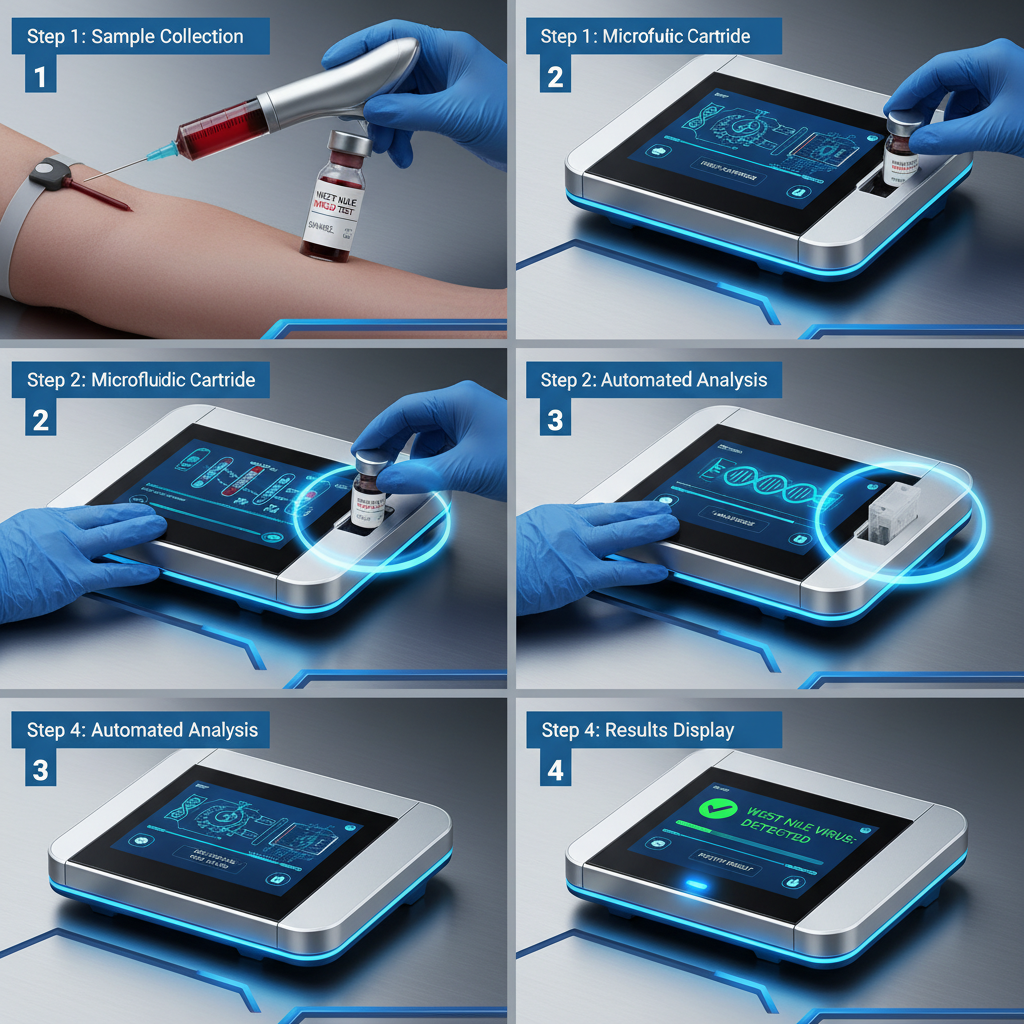
Understanding West Nile Virus
West Nile Virus is primarily spread through the bite of infected mosquitoes. Most people infected with WNV experience no symptoms or mild, flu-like symptoms, such as fever, headache, body aches, and fatigue. However, in a small percentage of cases, the virus can cause serious neurological illnesses like encephalitis (inflammation of the brain) or meningitis (inflammation of the membranes surrounding the brain and spinal cord). Individuals at higher risk of developing severe illness include older adults, people with weakened immune systems, and those with certain chronic medical conditions. Early detection through a blood test for West Nile Virus allows for prompt medical care and improved patient outcomes.
Key Facts: West Nile Virus is spread through mosquito bites. Most infections are mild, but severe neurological complications can occur, particularly in vulnerable populations. Early diagnosis via blood testing is crucial for effective management.
Types of Blood Tests for West Nile Virus
Several types of blood tests are used to diagnose West Nile Virus infection. These tests detect either the virus itself or the body's immune response to the virus. The most common tests include:
- ELISA (Enzyme-Linked Immunosorbent Assay): This test detects antibodies (IgM and IgG) produced by the immune system in response to WNV.
- Plaque Reduction Neutralization Test (PRNT): This test measures the ability of antibodies to neutralize the virus and is considered the gold standard for WNV diagnosis.
- RT-PCR (Reverse Transcription Polymerase Chain Reaction): This test detects the virus's genetic material (RNA) in the blood, useful for diagnosing acute infections.
Blood Test Options:
• ELISA: Detects antibodies (IgM & IgG).
• PRNT: Measures antibody neutralization ability (gold standard).
• RT-PCR: Detects viral RNA (for acute infections).
Interpreting West Nile Virus Blood Test Results
Understanding the results of a blood test for West Nile Virus requires careful interpretation by a healthcare professional. Here's a general overview:
Cowingene's Role in Accurate West Nile Virus Testing
Cowingene is dedicated to providing high-quality, accurate, and reliable testing services for West Nile Virus. We utilize state-of-the-art technology and adhere to stringent quality control measures to ensure precise results. Our experienced team of professionals is committed to delivering timely and dependable test reports to aid in accurate diagnosis and effective patient management. We offer a comprehensive range of WNV testing options to meet the needs of healthcare providers and public health organizations. We prioritize rapid turnaround times and clear communication of results to support prompt clinical decisions.
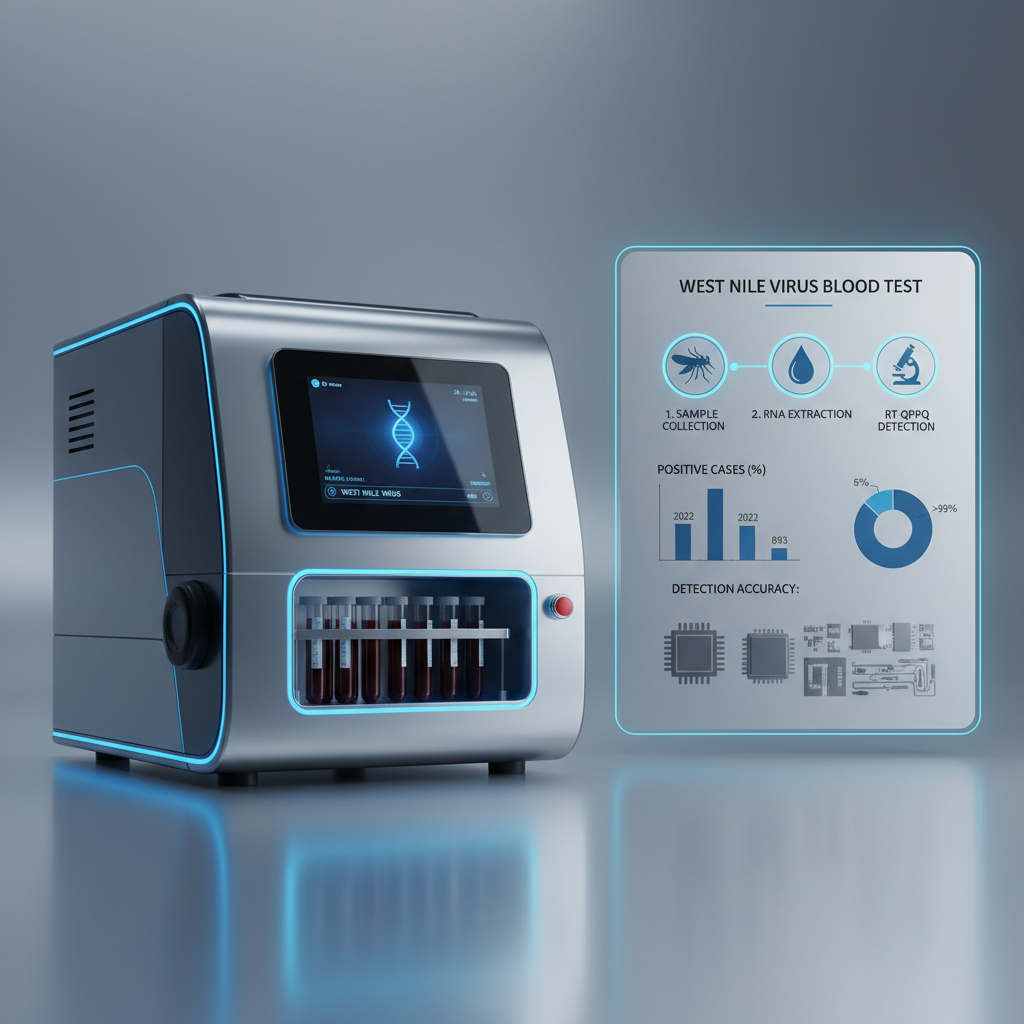
Choosing Cowingene for Your WNV Testing Needs
When selecting a laboratory for blood test for West Nile Virus, consider factors like accuracy, reliability, turnaround time, and customer service. Cowingene excels in all these areas. Our commitment to quality, combined with our experienced team and advanced technology, makes us a trusted partner for WNV testing. We are dedicated to providing our clients with the highest level of service and support. Contact us today to learn more about our WNV testing services and how we can help you protect your community.
Conclusion: Proactive Testing for a Healthier Community
Early detection and accurate diagnosis of West Nile Virus are essential for protecting public health. Cowingene offers reliable and timely testing solutions to support healthcare professionals and communities in their efforts to combat this mosquito-borne illness. We are dedicated to providing the highest quality testing services to help ensure a healthier future.
Frequently Asked Questions (FAQs)
How long does it take to get West Nile Virus test results from Cowingene?
At Cowingene, we understand the importance of rapid results for timely patient care. Typical turnaround times for WNV testing are 24-48 hours from the time the sample is received at our laboratory. However, turnaround times may vary depending on the complexity of the test and the volume of samples being processed. We are committed to providing results as quickly and accurately as possible, and we keep our clients informed of any potential delays.
What type of sample is needed for West Nile Virus testing?
The standard sample required for West Nile Virus testing is a blood sample. Typically, a venous blood draw (from a vein in the arm) is performed. The sample should be collected in a sterile tube containing an anticoagulant, such as EDTA. Cowingene provides detailed collection instructions to ensure proper sample handling and transport, maintaining the integrity of the sample for accurate testing.
What should I do if I test positive for West Nile Virus?
If you test positive for West Nile Virus, it's crucial to consult with your healthcare provider. Treatment for WNV is primarily supportive, focusing on managing symptoms such as fever, headache, and fatigue. In severe cases involving neurological complications, hospitalization and more intensive care may be required. Your healthcare provider will determine the appropriate course of action based on your individual symptoms and medical history. Early medical attention can help minimize the risk of long-term complications.
Can I retest if I initially test negative but continue to experience symptoms?
If you initially test negative for West Nile Virus but continue to experience symptoms, your healthcare provider may recommend repeat testing, particularly if symptoms worsen or persist. Antibody levels may take time to develop and become detectable. Repeat testing may be performed after a certain interval, typically a week or two, to assess for seroconversion. Your healthcare provider will determine the appropriate timing and type of repeat test based on your individual circumstances.
Related PRODUCTS
-
Cowingene Norovirus Detection Kit
NewsMay.13,2026 -
Cowingene Launches Advanced Lyophilized PCR Kit for Rapid Detection of Group B Streptococcus in Pregnancy Screening
NewsMay.08,2026 -
Cowin Launches Cowingene MG/MH NATBox Detection Kit to Strengthen STI Diagnosis and Point-of-Care Testing Capabilities
NewsMay.08,2026 -
Cowin Introduces Cowingene STI Multiplex Detection Kit (STI 3 NATBox), Advancing Rapid and Accurate Diagnosis of Key Sexually Transmitted Infections
NewsMay.08,2026 -
Comprehensive Overview of the Cowingene Herpes Simplex Virus 1/2 Detection Kit (Liquid)
NewsMay.08,2026 -
Comprehensive Overview of the Cowingene Group B Streptococcus Detection Kit (Lyophilized)
NewsMay.08,2026