
Mar . 03, 2026 18:55 Back to list
Comprehensive Guide to West Nile Virus Test Cost and Testing Options
Understanding the West Nile Virus Test Cost
The West Nile virus is a mosquito-borne disease that can cause serious illness. Accurate and timely testing is crucial for diagnosis and public health monitoring. Determining the West Nile virus test cost can be complex, as it depends on several factors including the type of test, location, and healthcare provider. This article provides a comprehensive overview of the various tests available, the factors influencing their cost, and where to find reliable testing services. Early detection can significantly improve patient outcomes and contribute to effective disease control. We'll examine the different testing options and how to navigate the associated expenses.

Types of West Nile Virus Tests
Several tests are used to detect West Nile virus. The most common include antibody tests (IgM and IgG), antigen tests (NS1), and Polymerase Chain Reaction (PCR) tests. Antibody tests detect the presence of antibodies produced by the body in response to the virus. IgM antibodies typically appear earlier in the infection, while IgG antibodies develop later and provide longer-term immunity. Antigen tests detect viral proteins, and PCR tests detect the virus’s genetic material. The choice of test depends on the stage of infection and the clinical presentation of the patient. Cowin Gene offers comprehensive testing solutions to meet diverse diagnostic needs.
Key Highlights: Cowin Gene provides accurate and reliable West Nile virus testing, utilizing advanced molecular techniques for optimal results.
Factors Influencing the West Nile Virus Test Cost
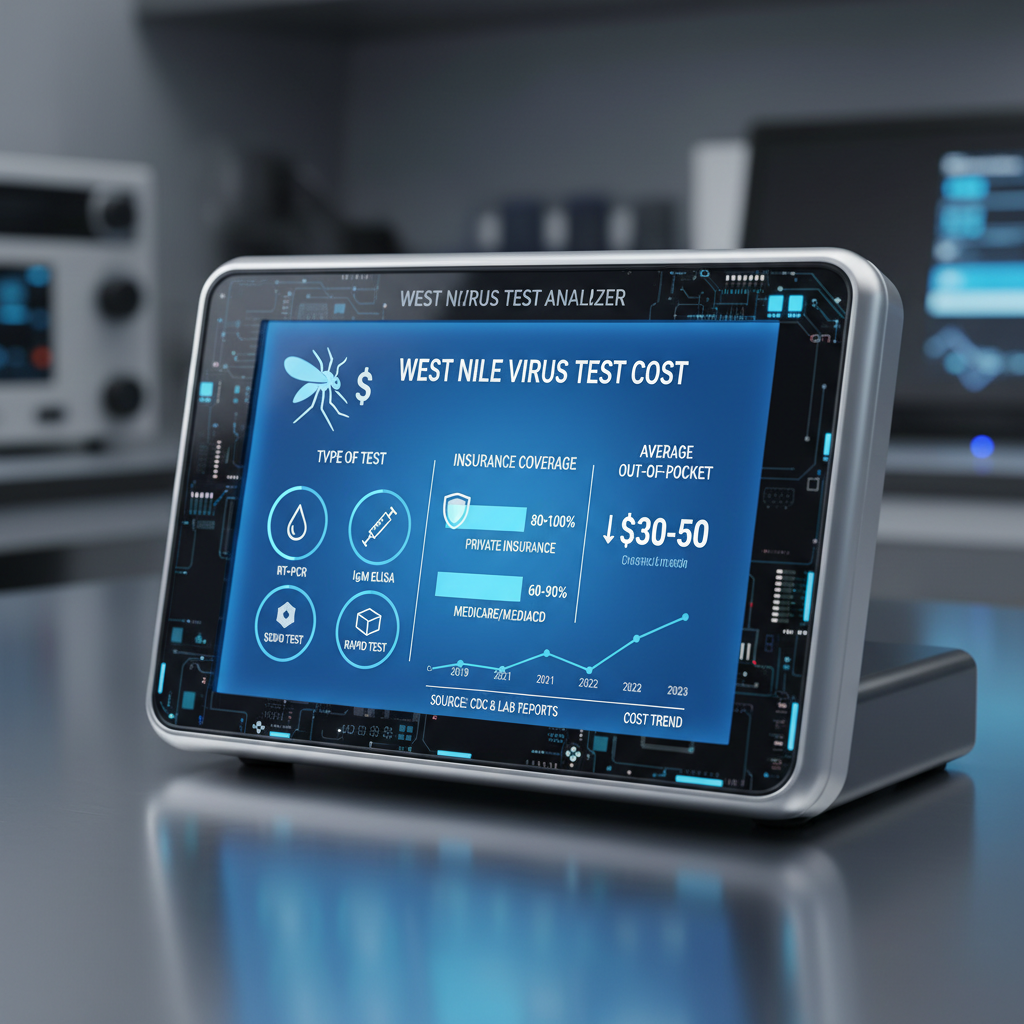
The West Nile virus test cost isn't fixed. Several factors contribute to the final price. The type of test is a primary factor, with PCR tests generally being more expensive than antibody tests due to the complexity of the procedure. The location of the testing facility also plays a role, with costs varying between hospitals, private labs, and public health departments. Insurance coverage significantly impacts out-of-pocket expenses, with insured individuals typically paying a copay or deductible. Finally, the specific lab performing the test and its overhead costs can influence pricing. It’s important to inquire about all potential costs upfront.
Cost Factors:
• Type of test (PCR, IgM/IgG, NS1)
• Location of testing facility
• Insurance coverage
• Lab performing the test
West Nile Virus Test Cost: A Comparative Overview
Here’s a general estimate of the costs associated with different West Nile virus tests. Note that these are approximate and can vary based on location and provider. Understanding these price ranges can help you budget for testing and discuss options with your healthcare provider.
Where to Get Tested: Cowin Gene and Other Options
You can obtain West Nile virus testing through various avenues. Hospitals and clinics offer testing, but costs can be higher. Private laboratories like Cowin Gene often provide competitive pricing and rapid turnaround times. Public health departments may offer free or low-cost testing, particularly during outbreaks. Contact your local health department for information on available resources. When choosing a testing provider, consider accuracy, turnaround time, cost, and insurance coverage.
Navigating Insurance and Financial Assistance
Before getting tested, contact your insurance provider to understand your coverage. Many insurance plans cover West Nile virus testing, especially when ordered by a physician. If you are uninsured or underinsured, explore options for financial assistance. Some laboratories offer payment plans or discounts. Public health departments may provide free or low-cost testing for eligible individuals. Don't hesitate to ask about available financial assistance programs when scheduling your test.
Conclusion: Accessible and Reliable Testing for Peace of Mind
Understanding the West Nile virus test cost and available testing options is vital for proactive healthcare. With resources like Cowin Gene offering accurate and timely testing, individuals can take control of their health and contribute to public health efforts. Don't delay seeking testing if you suspect exposure to West Nile virus – early detection is key.
Frequently Asked Questions (FAQs)
What does a positive West Nile virus test result mean?
A positive test result indicates that you have been infected with the West Nile virus. However, it doesn't necessarily mean you will develop severe symptoms. Most people infected with West Nile virus experience mild or no symptoms. If you test positive, your healthcare provider will monitor your condition and provide appropriate care. The specific course of treatment depends on the severity of your symptoms. A positive result also aids public health officials in tracking the spread of the virus.
How long does it take to get West Nile virus test results?
Turnaround times for West Nile virus test results vary depending on the type of test and the laboratory performing the analysis. PCR tests typically provide results within 1-3 days, while antibody tests may take 1-5 days. Cowin Gene is committed to providing rapid and accurate results, often delivering findings within 24-48 hours. Your healthcare provider will inform you of the expected turnaround time for your specific test.
Can I get tested for West Nile virus if I don't have symptoms?
Yes, in certain circumstances. While testing is typically recommended for individuals exhibiting symptoms, it may also be considered for people who have known exposure to mosquitoes in areas with active West Nile virus transmission, even if they are asymptomatic. This is especially relevant for blood donors and individuals undergoing organ transplantation. Your healthcare provider can assess your risk factors and determine if testing is appropriate.
What can I do to prevent West Nile virus infection?
The best way to prevent West Nile virus infection is to take steps to avoid mosquito bites. This includes using insect repellent containing DEET, picaridin, or oil of lemon eucalyptus, wearing long sleeves and pants when outdoors, especially during dawn and dusk, and eliminating standing water around your home, where mosquitoes breed. Ensuring window and door screens are intact is also crucial.
Related PRODUCTS
-
Cowingene Norovirus Detection Kit
NewsMay.13,2026 -
Cowingene Launches Advanced Lyophilized PCR Kit for Rapid Detection of Group B Streptococcus in Pregnancy Screening
NewsMay.08,2026 -
Cowin Launches Cowingene MG/MH NATBox Detection Kit to Strengthen STI Diagnosis and Point-of-Care Testing Capabilities
NewsMay.08,2026 -
Cowin Introduces Cowingene STI Multiplex Detection Kit (STI 3 NATBox), Advancing Rapid and Accurate Diagnosis of Key Sexually Transmitted Infections
NewsMay.08,2026 -
Comprehensive Overview of the Cowingene Herpes Simplex Virus 1/2 Detection Kit (Liquid)
NewsMay.08,2026 -
Comprehensive Overview of the Cowingene Group B Streptococcus Detection Kit (Lyophilized)
NewsMay.08,2026