
Mar . 08, 2026 02:25 Back to list
Comprehensive Guide to Dengue Fever PCR Testing for Accurate Diagnosis
Dengue Fever PCR Testing: A Comprehensive Guide
Dengue fever, a mosquito-borne viral infection, poses a significant public health threat in many tropical and subtropical regions. Accurate and timely diagnosis is crucial for effective management and control. PCR (Polymerase Chain Reaction) testing has emerged as the gold standard for detecting dengue virus, offering high sensitivity and specificity. This article will delve into the details of dengue fever PCR testing, its benefits, applications, and how Cowingene's solutions contribute to accurate and rapid diagnosis. Understanding the nuances of this testing method is vital for healthcare professionals and individuals alike.
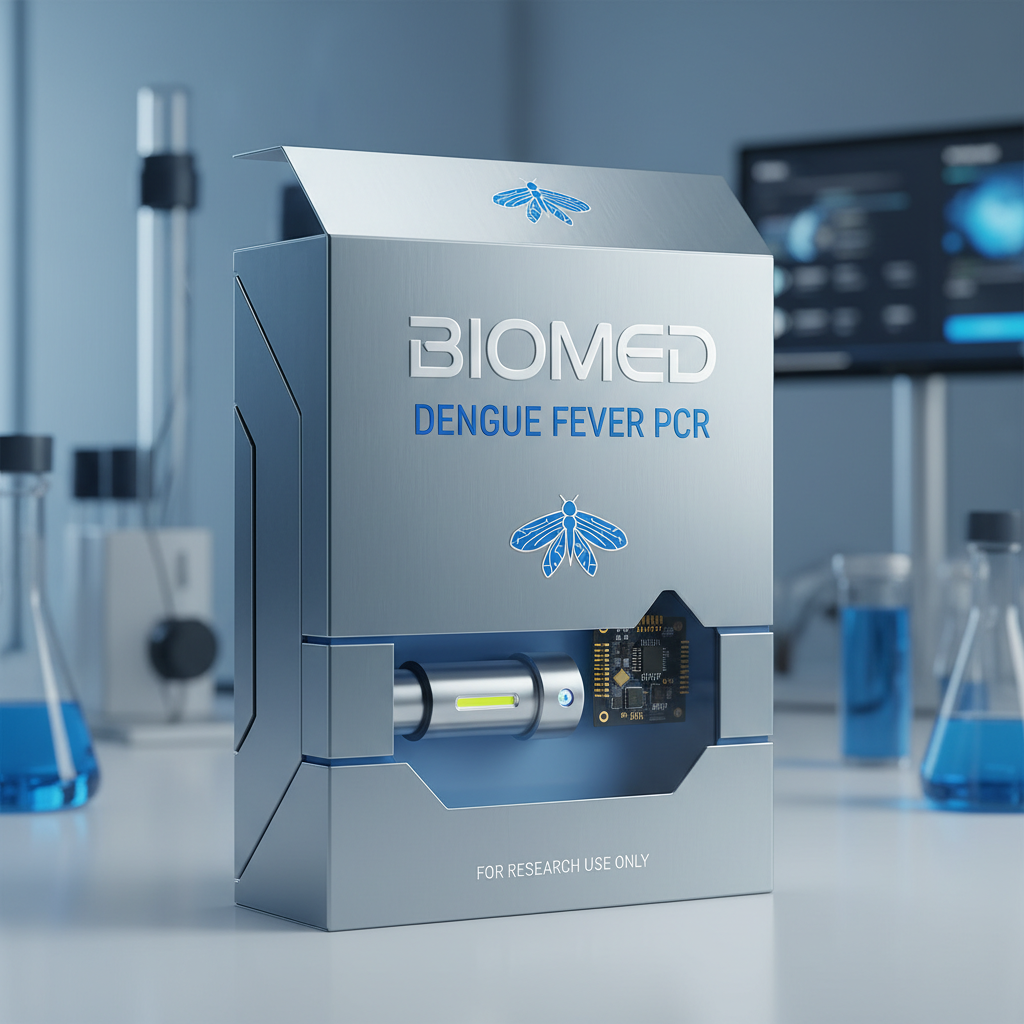
Understanding Dengue Fever and the Importance of Early Detection
Dengue fever presents a wide spectrum of clinical manifestations, ranging from mild, flu-like symptoms to severe dengue, characterized by plasma leakage, hemorrhage, and shock. Early diagnosis allows for prompt clinical intervention, reducing the risk of complications and mortality. Traditional diagnostic methods, such as serological tests, can be limited by cross-reactivity with other flaviviruses and may not be reliable during the early stages of infection. Dengue fever PCR testing directly detects the viral RNA, providing a definitive diagnosis even before the appearance of antibodies. This accuracy is particularly important in areas where multiple dengue serotypes circulate concurrently.
Key Highlights: Dengue fever PCR testing directly detects the viral RNA, providing a definitive diagnosis even before the appearance of antibodies. Offers high sensitivity and specificity compared to traditional methods.
Dengue Fever PCR Testing: How It Works
The PCR process amplifies specific target sequences of the dengue virus genome, allowing for its detection even at low viral loads. The process typically involves several steps: RNA extraction from the patient sample (usually blood or serum), reverse transcription to convert viral RNA into DNA, and then PCR amplification using specific primers and probes. Cowingene offers comprehensive kits and reagents optimized for efficient and reliable dengue fever PCR testing. Real-time PCR, a variation of the technique, allows for quantification of the viral load, providing valuable information for disease monitoring and prognosis.
PCR Testing Process:
• RNA extraction from patient sample
• Reverse transcription (RNA to DNA)
• PCR amplification with specific primers & probes
• Detection and quantification of viral load
Dengue Fever PCR vs. Other Diagnostic Methods
Compared to other methods, dengue fever PCR testing offers distinct advantages. NS1 antigen detection is useful in the acute phase, but can have false negatives. IgM/IgG antibody tests become positive later in the infection and can be affected by cross-reactivity. PCR is the most sensitive and specific, particularly in the early stages of illness. It can also differentiate between dengue serotypes, aiding in epidemiological surveillance. Choosing the right diagnostic method depends on the clinical context and the stage of infection.
Cowingene's Dengue Fever PCR Solutions
Cowingene offers a range of high-quality PCR kits and reagents specifically designed for dengue fever diagnosis. These kits are characterized by their high sensitivity, specificity, and rapid turnaround time. We provide solutions for both research and clinical diagnostic applications, complying with stringent quality control standards. Our kits are easy to use, reducing the risk of errors and ensuring reliable results. Contact us today to learn more about our dengue fever PCR solutions and how we can support your diagnostic needs.
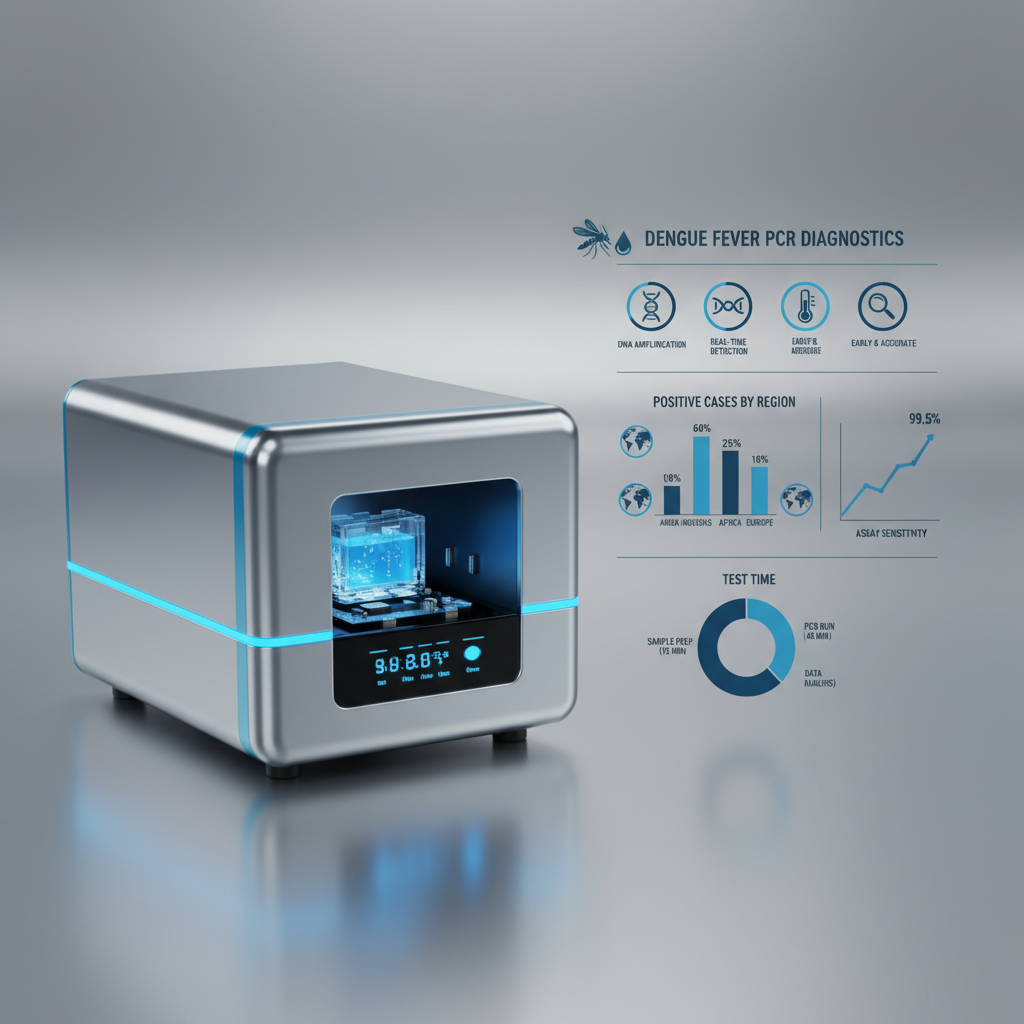
Quality Control and Accreditation
Maintaining high standards of quality control is paramount in PCR testing. Cowingene's manufacturing processes adhere to ISO 13485 standards, ensuring consistent product quality and reliability. We employ rigorous quality control measures throughout the entire production process, from raw material sourcing to final product testing. Our products are also subject to independent validation studies to confirm their performance characteristics.
Conclusion: Accurate Diagnosis for Effective Dengue Control
Accurate and rapid diagnosis of dengue fever is essential for effective disease management and public health control. Cowingene's dengue fever PCR solutions provide healthcare professionals with a reliable and sensitive tool for detecting the virus, enabling timely clinical interventions and preventing severe outcomes. By investing in high-quality diagnostic tools, we can work together to combat the spread of dengue fever and protect global health.
Frequently Asked Questions (FAQs)
What is the turnaround time for a Dengue Fever PCR test using Cowingene kits?
The turnaround time for a Dengue Fever PCR test using Cowingene kits is typically between 1-3 hours, depending on the laboratory workflow and the number of samples being processed. Our kits are designed for rapid amplification and detection, minimizing the time to result. This quick turnaround time allows for prompt clinical decision-making and initiation of appropriate treatment. The streamlined workflow of our kits also reduces the potential for human error, further contributing to efficient and reliable results.
What type of sample is required for Dengue Fever PCR testing with Cowingene kits?
The preferred sample type for Dengue Fever PCR testing using Cowingene kits is serum or plasma. Whole blood samples in EDTA can also be used, but may require additional processing steps. It is important to collect the sample within the first 5 days of symptom onset for optimal results, as viral load tends to decline thereafter. Proper sample collection and storage are critical for maintaining sample integrity and ensuring accurate test results. We provide detailed guidelines on sample collection and handling in our kit inserts.
Can Cowingene's PCR kits differentiate between different Dengue virus serotypes?
Yes, some of Cowingene's Dengue Fever PCR kits are designed to differentiate between the four dengue virus serotypes (DENV-1, DENV-2, DENV-3, and DENV-4). This information is valuable for epidemiological surveillance and understanding the dynamics of dengue transmission in a specific region. The ability to identify the specific serotype can also assist in clinical management, as different serotypes may be associated with varying degrees of disease severity.
What is the storage requirement for Cowingene’s Dengue Fever PCR kits?
Cowingene’s Dengue Fever PCR kits should be stored at -20°C upon arrival. Proper storage is crucial for maintaining the stability and reactivity of the kit components. Avoid repeated freeze-thaw cycles, as this can degrade the reagents. Detailed storage instructions are provided in the kit insert, and it is important to follow these guidelines carefully to ensure optimal performance. For short-term storage, the kits can be kept at 4°C for up to one week.
Related PRODUCTS
-
Precision Diagnostics for Viral Detection Using Cytomegalovirus PCR
NewsApr.16,2026 -
HPV 28 Genotyping Kit - Taizhou Cowingene Biotech Co., Ltd.|Precision & Reliability
NewsApr.14,2026 -
Advancements in PCR BK Virus Detection for Improved Patient Management
NewsApr.04,2026 -
Comprehensive Analysis of vzv PCR for Accurate Viral Detection and Diagnosis
NewsMar.31,2026 -
Comprehensive Analysis of vzv DNA PCR for Accurate Viral Detection and Diagnosis
NewsMar.28,2026 -
Comprehensive Guide to EBV DNA PCR Testing for Accurate Diagnosis and Management
NewsMar.26,2026