
Apr . 04, 2026 02:35 Back to list
Advancements in PCR BK Virus Detection for Improved Patient Management
Understanding PCR BK Virus Detection with Cowingene
BK virus (BKV) is a common human polyomavirus, often asymptomatic in healthy individuals. However, in immunocompromised patients, particularly kidney transplant recipients, it can cause significant complications like hemorrhagic cystitis and nephropathy. Accurate and timely detection of PCR BK Virus is crucial for effective management and prevention of these conditions. This article explores the significance of PCR testing for BKV, the benefits of Cowingene’s diagnostic solutions, and its role in improving patient outcomes. Early diagnosis significantly impacts treatment strategies and minimizes the risk of severe complications.

The Importance of PCR in BK Virus Detection
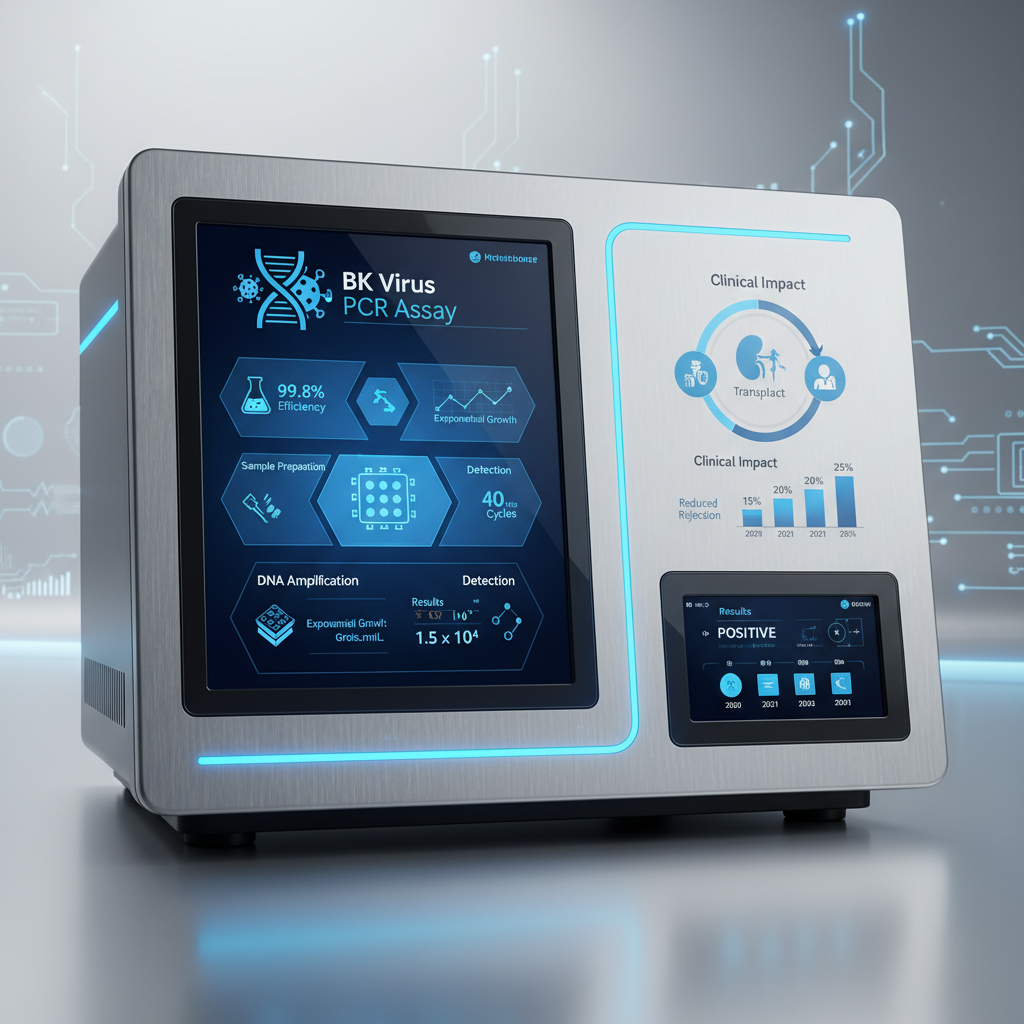
Traditional methods for BKV detection, such as viral culture, are often slow and have limited sensitivity. Polymerase Chain Reaction (PCR) offers a highly sensitive and specific method for detecting BKV DNA in clinical samples like urine and plasma. Cowingene’s PCR BK Virus assay provides rapid and reliable results, enabling clinicians to make informed decisions regarding patient care. PCR’s ability to detect even small amounts of viral DNA allows for early intervention, potentially preventing serious health consequences.
Key Highlights: Cowingene’s PCR BK Virus assay delivers rapid, sensitive and specific detection of BKV DNA, facilitating timely clinical decisions.
Cowingene's PCR BK Virus Assay: Features and Benefits
Cowingene is committed to providing high-quality molecular diagnostic solutions. Our PCR BK Virus assay is designed for ease of use, accuracy, and rapid turnaround time. The assay utilizes real-time PCR technology, which allows for quantitative measurement of BKV viral load, providing valuable information for monitoring treatment response. We offer comprehensive support and reliable results to ensure optimal patient management.
Key Benefits:
• High Sensitivity and Specificity
• Rapid Turnaround Time
• Quantitative Viral Load Measurement
• User-Friendly Workflow
PCR BK Virus: Comparing Detection Methods
Several methods are used to detect BK virus, each with its advantages and disadvantages. PCR stands out for its superior sensitivity and speed compared to traditional techniques. The following table provides a comparison of common detection methods:
Clinical Applications of PCR BK Virus Testing
PCR BK Virus testing is integral to managing patients at risk for BKV-associated complications. Key applications include: monitoring kidney transplant recipients, evaluating patients with hematological malignancies, and diagnosing hemorrhagic cystitis. Regular monitoring allows for timely intervention and optimized patient care. Cowingene’s assay supports clinicians in providing personalized treatment strategies.
Product Specifications & Ordering Information
Cowingene’s PCR BK Virus assay is available in a convenient kit format. Here are some key product specifications:
Conclusion
Accurate and rapid detection of BK virus is crucial for optimal patient management. Cowingene’s PCR BK Virus assay provides the sensitivity, specificity, and convenience needed to deliver reliable results and improve patient outcomes. Contact us today to learn more about our comprehensive molecular diagnostic solutions.
Frequently Asked Questions (FAQs)
What sample types are suitable for Cowingene's PCR BK Virus assay?
Cowingene’s assay accepts both urine and plasma samples for BK virus DNA detection. Urine samples are often used for initial screening due to their non-invasive nature. Plasma samples provide a more direct measure of viremia, particularly useful for monitoring transplant patients. It’s important to follow the recommended sample collection and storage guidelines to ensure accurate results. Proper handling is critical to preventing contamination and maintaining sample integrity. The assay has been validated for both sample types, ensuring consistent and reliable performance.
How long does it take to obtain results with Cowingene’s PCR BK Virus assay?
The turnaround time for Cowingene's PCR BK Virus assay is typically 3-4 hours, including sample preparation and PCR amplification. This rapid turnaround time allows for quick clinical decision-making, enabling timely intervention and improved patient care. The efficiency of the assay is a key benefit for laboratories needing to provide prompt results. Factors such as instrument availability and laboratory workflow can slightly affect the overall turnaround time.
What is the clinical significance of quantifying BKV viral load?
Quantifying BKV viral load provides valuable information for monitoring disease progression and assessing the effectiveness of antiviral treatment. Higher viral loads are generally associated with a greater risk of BKV-associated complications. Monitoring viral load trends helps clinicians adjust treatment strategies and optimize patient outcomes. Regular monitoring is particularly important for kidney transplant recipients, allowing for early detection of viral reactivation and prompt intervention to prevent nephropathy.
Related PRODUCTS
-
Precision Diagnostics for Viral Detection Using Cytomegalovirus PCR
NewsApr.16,2026 -
HPV 28 Genotyping Kit - Taizhou Cowingene Biotech Co., Ltd.|Precision & Reliability
NewsApr.14,2026 -
Comprehensive Analysis of vzv PCR for Accurate Viral Detection and Diagnosis
NewsMar.31,2026 -
Comprehensive Analysis of vzv DNA PCR for Accurate Viral Detection and Diagnosis
NewsMar.28,2026 -
Comprehensive Guide to EBV DNA PCR Testing for Accurate Diagnosis and Management
NewsMar.26,2026