
Mar . 05, 2026 02:25 Back to list
PCR Testing for Dengue Fever A Comprehensive Diagnostic Approach
Understanding PCR Testing for Dengue Fever
Dengue fever, a mosquito-borne viral infection, poses a significant public health challenge globally. Early and accurate diagnosis is crucial for effective management and preventing severe complications. Polymerase Chain Reaction (PCR) testing has emerged as a highly sensitive and specific method for detecting the dengue virus. This article explores the role of PCR testing for dengue, its advantages, limitations, and how it compares to other diagnostic methods. Understanding these aspects is vital for healthcare professionals and individuals seeking reliable dengue diagnostics. CowinGene offers advanced PCR solutions for accurate dengue detection.
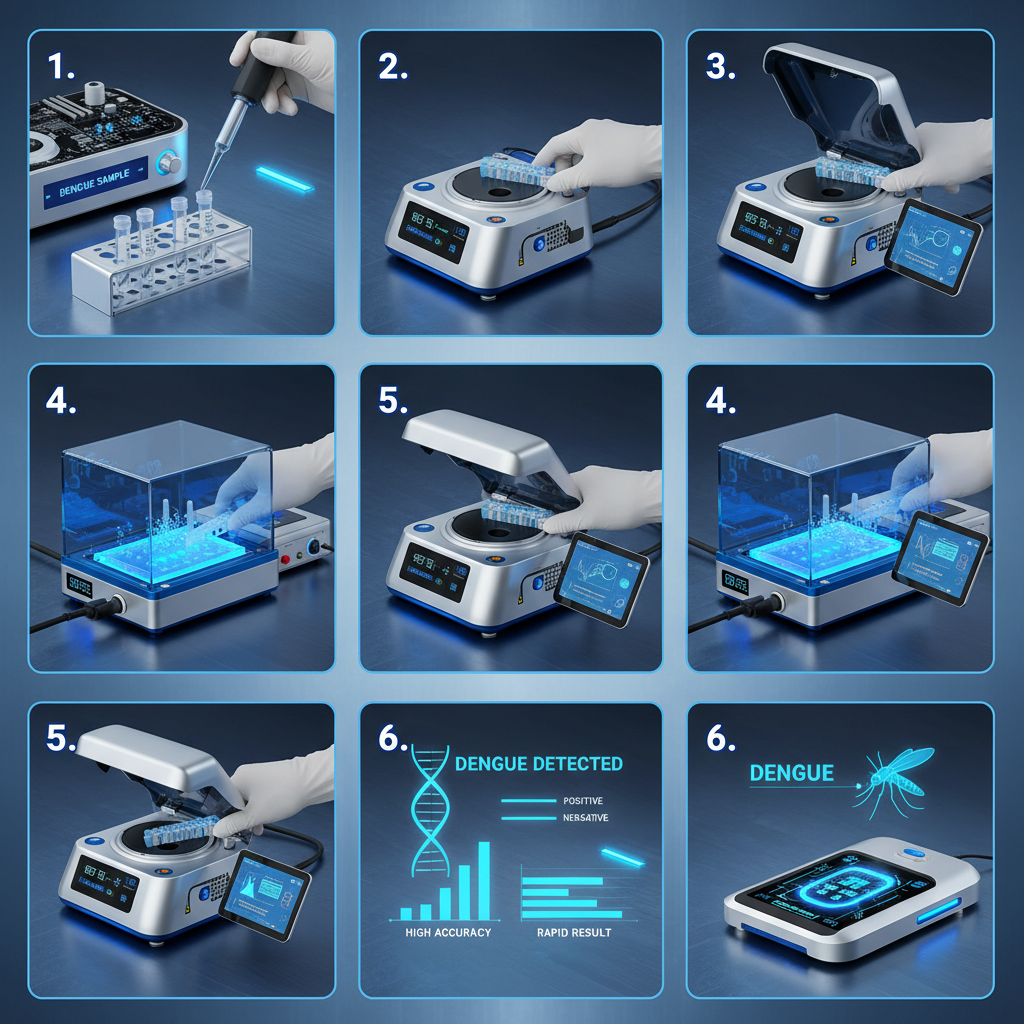
How PCR Testing Detects Dengue Virus
PCR testing amplifies specific genetic material (RNA in the case of dengue) from a sample, even if the virus is present in low quantities. This amplification allows for highly sensitive detection. The process involves several steps: sample collection (usually blood), RNA extraction, reverse transcription (converting RNA to DNA), and PCR amplification using specific primers targeting dengue virus genes. The presence of amplified DNA indicates a positive result. CowinGene’s PCR kits are designed for efficient and reliable dengue RNA extraction and amplification.
Key Benefit: PCR's ability to detect the virus during the acute phase of infection, even before antibodies develop, is a significant advantage in early diagnosis.
PCR for Dengue: Different Techniques and Their Applications
Several PCR techniques are used for dengue detection. Real-time PCR (qPCR) is the most common, offering quantitative results – indicating the viral load. This is useful for assessing disease severity and monitoring treatment response. Conventional PCR is also used but requires additional steps to visualize the amplified product. Multiplex PCR, offered by CowinGene, can simultaneously detect different dengue virus serotypes (DENV-1, DENV-2, DENV-3, and DENV-4) in a single reaction, providing a comprehensive diagnostic result. These diverse options ensure tailored testing solutions for varied clinical needs.
Dengue Serotypes Detection:
• DENV-1
• DENV-2
• DENV-3
• DENV-4
Comparing Dengue Diagnostic Methods: PCR vs. Others
While several methods are used to diagnose dengue, PCR offers distinct advantages. ELISA detects antibodies, but their presence can indicate past or current infection. NS1 antigen testing is useful in the acute phase, but its sensitivity is lower than PCR. PCR can detect the virus earlier and with greater accuracy, particularly in the first few days of symptoms. Here's a comparison:
CowinGene’s PCR Solutions for Dengue: Reliability and Efficiency
CowinGene is dedicated to providing high-quality PCR solutions for accurate and timely dengue diagnosis. Our kits feature optimized primers and reagents for superior sensitivity and specificity. We adhere to stringent quality control standards, ensuring reliable results every time. CowinGene’s commitment to innovation drives the development of advanced diagnostic tools to combat infectious diseases like dengue.
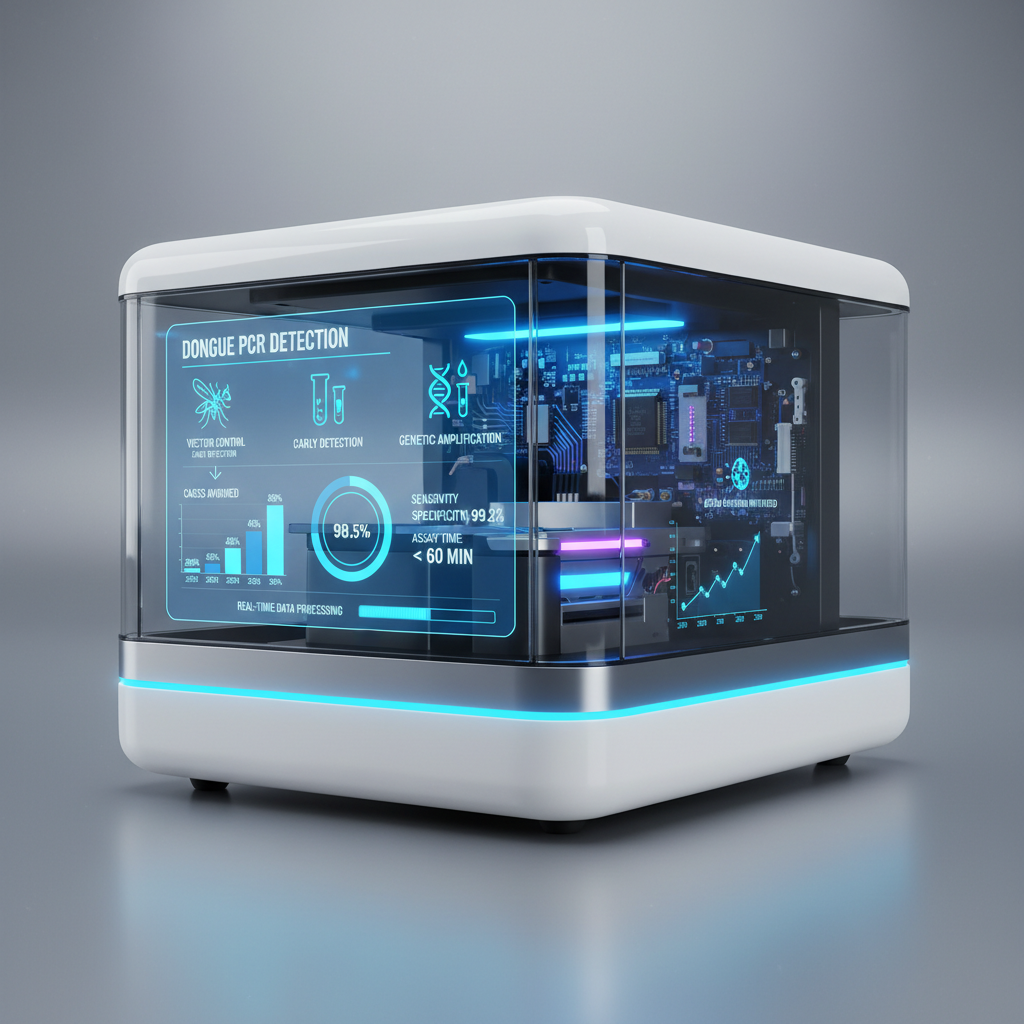
Conclusion: The Importance of Accurate Dengue Diagnostics
Accurate and timely diagnosis of dengue fever is paramount for effective clinical management and public health control. PCR testing, with its high sensitivity and specificity, plays a crucial role in achieving this. CowinGene is proud to offer innovative PCR solutions that empower healthcare professionals to provide the best possible care for patients affected by dengue.
Frequently Asked Questions (FAQs)
How long does it take to get PCR results for dengue?
The turnaround time for PCR results can vary depending on the laboratory and the testing protocol. However, typically, results are available within 2-4 hours after the sample is received. Rapid PCR platforms, like those offered by CowinGene, can provide results even faster. This quick turnaround time is crucial for making timely clinical decisions and initiating appropriate treatment.
What type of sample is required for dengue PCR testing?
The most common sample type for dengue PCR testing is whole blood, usually collected in EDTA tubes. Serum or plasma samples can also be used. The sample collection procedure should be performed by trained healthcare professionals to ensure proper handling and prevent contamination, leading to accurate results. CowinGene's guidelines include detailed instructions for sample collection, transport, and storage.
Can PCR testing differentiate between different dengue virus serotypes?
Yes, multiplex PCR assays can differentiate between the four dengue virus serotypes (DENV-1, DENV-2, DENV-3, and DENV-4). This information is valuable for epidemiological surveillance and understanding the circulating strains in a particular region. CowinGene’s multiplex PCR kits provide simultaneous detection and serotyping of the dengue virus, offering a comprehensive diagnostic solution.
Related PRODUCTS
-
Precision Diagnostics for Viral Detection Using Cytomegalovirus PCR
NewsApr.16,2026 -
HPV 28 Genotyping Kit - Taizhou Cowingene Biotech Co., Ltd.|Precision & Reliability
NewsApr.14,2026 -
Advancements in PCR BK Virus Detection for Improved Patient Management
NewsApr.04,2026 -
Comprehensive Analysis of vzv PCR for Accurate Viral Detection and Diagnosis
NewsMar.31,2026 -
Comprehensive Analysis of vzv DNA PCR for Accurate Viral Detection and Diagnosis
NewsMar.28,2026 -
Comprehensive Guide to EBV DNA PCR Testing for Accurate Diagnosis and Management
NewsMar.26,2026