
Mar . 17, 2026 02:25 Back to list
What is PCR Test for Dengue A Comprehensive Guide to Diagnosis and Detection
What is PCR Test for Dengue? A Comprehensive Guide
Dengue fever, a mosquito-borne viral infection, is a significant public health concern in many tropical and subtropical regions. Accurate and timely diagnosis is crucial for effective management and control. While various diagnostic methods exist, the Polymerase Chain Reaction (PCR) test has emerged as a highly sensitive and specific tool for detecting the dengue virus. This article will delve into the details of the PCR test for dengue, explaining its principles, benefits, limitations, and how it compares to other diagnostic approaches. Understanding this test is vital for healthcare professionals and individuals alike, ensuring prompt and appropriate care.
Understanding the PCR Test: The Basics
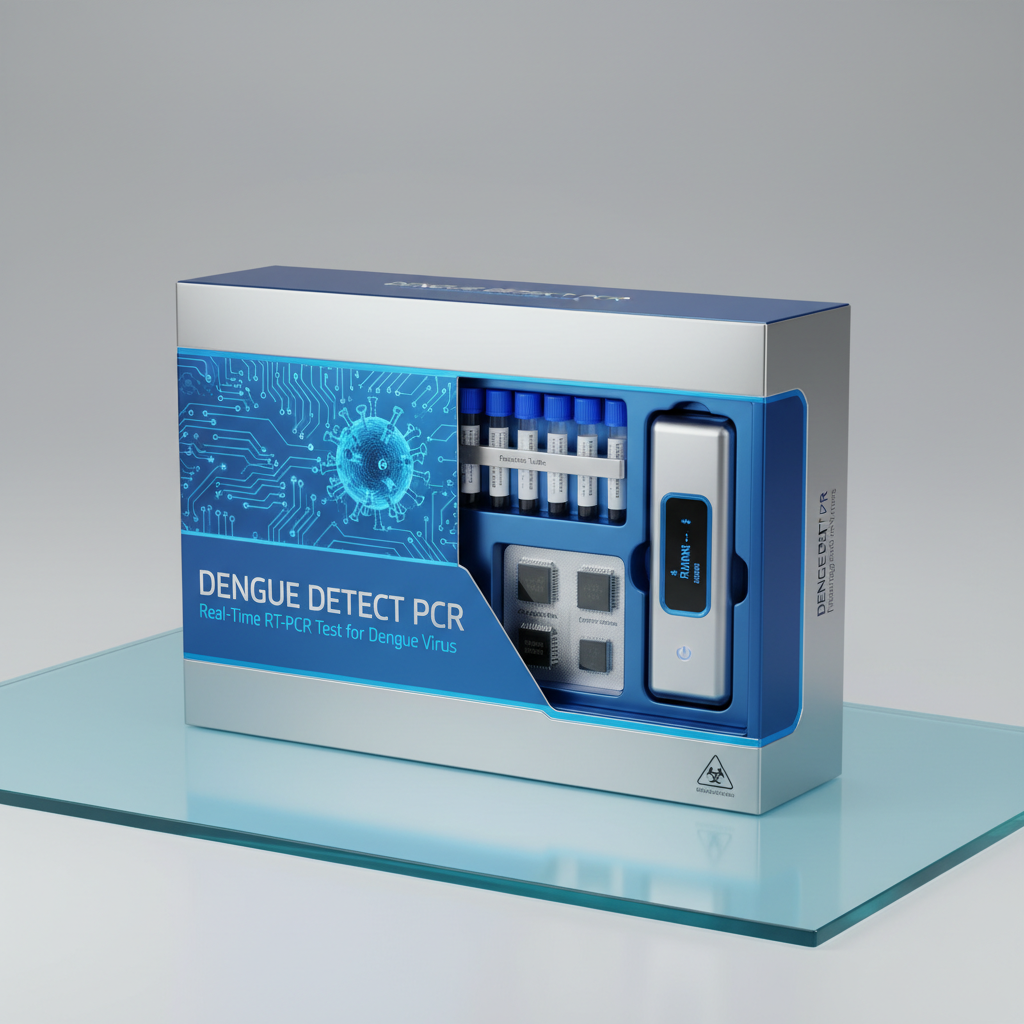
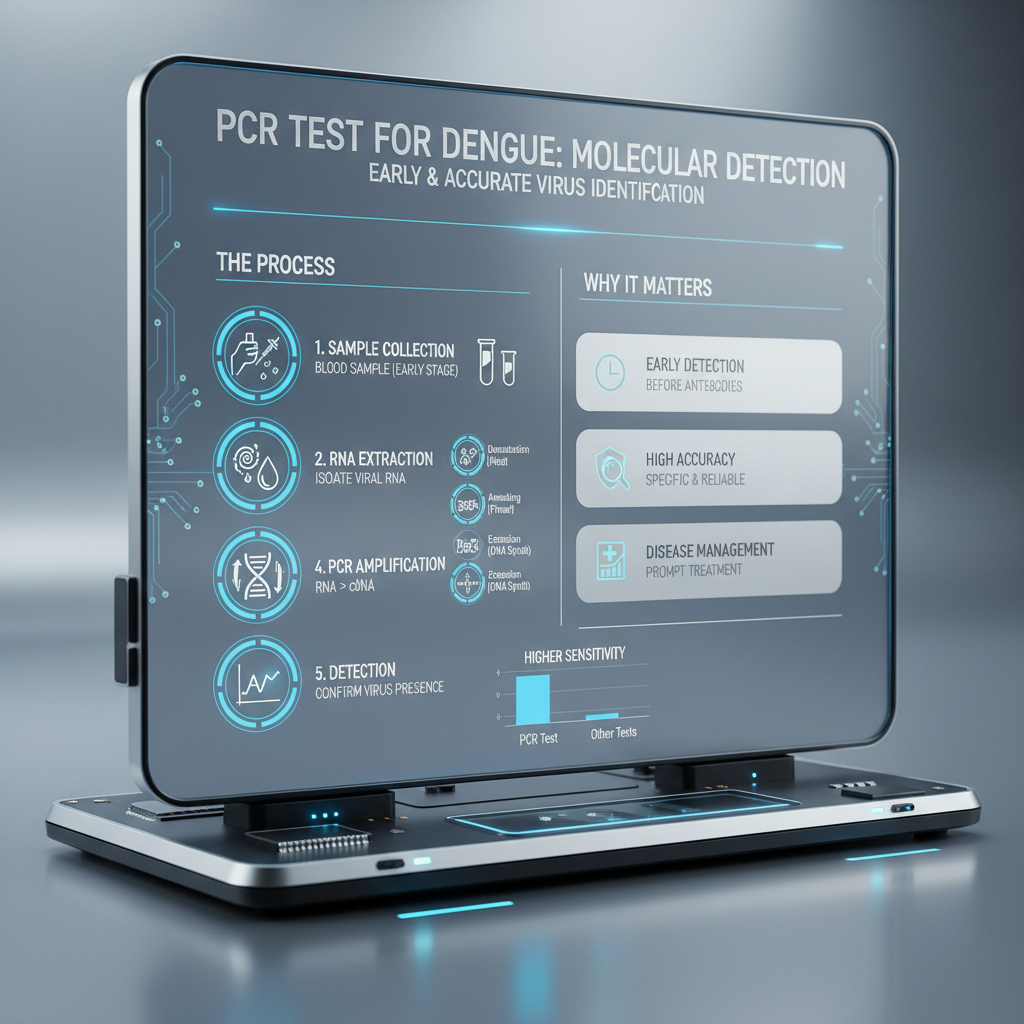
PCR, or Polymerase Chain Reaction, is a molecular biology technique used to amplify specific DNA or RNA sequences. In the context of dengue diagnosis, PCR targets the RNA genome of the dengue virus. The process involves several steps: extraction of viral RNA from a patient sample (usually blood), conversion of RNA into DNA, and then amplification of the dengue virus-specific DNA sequence. This amplification allows for the detection of even small amounts of the virus, making PCR a highly sensitive test. Cowin Gene offers advanced PCR solutions for accurate dengue detection.
Key Highlights: PCR amplifies viral RNA to detectable levels, allowing for early and accurate diagnosis, even when viral loads are low.
PCR Test for Dengue: When is it Most Useful?
The PCR test is particularly valuable during the early stages of dengue infection (within the first 5-7 days of symptoms). During this period, the viral load is typically highest, leading to more reliable detection. Unlike antibody-based tests, which detect the body’s response to the virus, PCR directly detects the virus itself. This is crucial for confirming the diagnosis and initiating appropriate treatment. Furthermore, PCR can help differentiate between the four different serotypes of the dengue virus (DENV-1, DENV-2, DENV-3, and DENV-4), which is important for epidemiological surveillance.
Benefits of Early PCR Testing:
• Early and accurate diagnosis
• Confirmation of dengue infection
• Serotype identification
• Facilitates timely treatment
PCR vs. Other Dengue Diagnostic Tests
Several methods are used to diagnose dengue, including the NS1 antigen test, IgM/IgG antibody tests, and the PCR test. Each has its strengths and weaknesses. The NS1 antigen test is rapid but less sensitive than PCR, particularly later in the illness. Antibody tests detect the body's immune response and are useful for confirming past infection but may not be reliable in the early stages. The PCR test offers superior sensitivity and specificity, especially during the acute phase.
Cowin Gene: Leading Provider of Dengue PCR Testing
Cowin Gene is dedicated to providing high-quality, reliable PCR testing solutions for dengue and other infectious diseases. Our kits are designed for accuracy, speed, and ease of use. We adhere to stringent quality control standards, ensuring consistent and dependable results. We offer a range of PCR assays tailored to meet the specific needs of clinical laboratories and research institutions.
Limitations of the PCR Test
While highly accurate, the PCR test isn't without limitations. False-negative results can occur if the viral load is extremely low, especially in later stages of infection. Proper sample collection and handling are critical to ensure accurate results. Additionally, PCR can sometimes detect residual viral RNA even after the patient is no longer infectious. Therefore, clinical interpretation should always be done in conjunction with the patient's symptoms and other laboratory findings.
Conclusion: The Role of PCR in Dengue Management
The PCR test for dengue remains a cornerstone of accurate diagnosis, especially in the early stages of infection. Its high sensitivity and specificity make it invaluable for clinical decision-making and public health surveillance. With reliable testing solutions offered by companies like Cowin Gene, healthcare providers are better equipped to combat the spread of this debilitating disease.
Frequently Asked Questions (FAQs)
How long does it take to get PCR test results for dengue?
The turnaround time for PCR test results can vary depending on the laboratory and testing volume. Typically, results are available within 24-48 hours of sample collection. Some laboratories offer rapid PCR testing, which can provide results in as little as a few hours. Faster results allow for quicker diagnosis and initiation of treatment, potentially improving patient outcomes. Factors like sample quality and the complexity of the assay can also influence the turnaround time.
What type of sample is required for a dengue PCR test?
The most common sample type for dengue PCR testing is whole blood. Serum or plasma samples can also be used. The sample is collected by a healthcare professional, typically through a venipuncture (blood draw). Proper sample collection and handling are crucial for accurate results. The sample must be stored and transported according to laboratory guidelines to maintain its integrity.
Can the PCR test differentiate between the different dengue serotypes?
Yes, many dengue PCR assays are designed to differentiate between the four dengue serotypes (DENV-1, DENV-2, DENV-3, and DENV-4). This is achieved by using specific primers and probes that target unique genetic sequences within each serotype. Knowing the serotype involved can be important for epidemiological surveillance and understanding disease patterns within a region. Cowin Gene offers multiplex PCR assays that can detect and differentiate between all four serotypes simultaneously.
Is the PCR test affected by previous dengue infection or vaccination?
The PCR test detects the presence of the dengue virus RNA, so previous infection or vaccination generally does not directly interfere with the results. However, the presence of antibodies from a previous infection or vaccination might influence the timing of viral detection if the individual is re-infected. A positive PCR test indicates an active dengue infection, regardless of prior exposure. It’s important to note that PCR detects the virus itself, while antibody tests detect the body’s response to the virus.
Related PRODUCTS
-
Precision Diagnostics for Viral Detection Using Cytomegalovirus PCR
NewsApr.16,2026 -
HPV 28 Genotyping Kit - Taizhou Cowingene Biotech Co., Ltd.|Precision & Reliability
NewsApr.14,2026 -
Advancements in PCR BK Virus Detection for Improved Patient Management
NewsApr.04,2026 -
Comprehensive Analysis of vzv PCR for Accurate Viral Detection and Diagnosis
NewsMar.31,2026 -
Comprehensive Analysis of vzv DNA PCR for Accurate Viral Detection and Diagnosis
NewsMar.28,2026 -
Comprehensive Guide to EBV DNA PCR Testing for Accurate Diagnosis and Management
NewsMar.26,2026