

Apr . 16, 2026 02:25 Back to list
Precision Diagnostics for Viral Detection Using Cytomegalovirus PCR
Understanding Cytomegalovirus PCR: Precision Diagnostics for Viral Detection
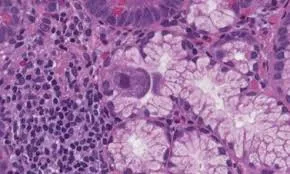
Cytomegalovirus (CMV) is a common herpesvirus that remains latent in most healthy individuals but can cause severe complications in immunocompromised patients and newborns. To ensure accurate detection and monitoring, cytomegalovirus pcr has become the gold standard in molecular diagnostics. By amplifying specific DNA sequences of the virus, PCR provides a level of sensitivity and specificity that traditional culture methods simply cannot match. This guide explores the mechanisms, clinical significance, and the technical advantages of utilizing PCR for CMV detection in modern medicine.
The Role of Cytomegalovirus PCR in Clinical Diagnosis
The primary objective of cytomegalovirus pcr is to detect the presence of CMV DNA in clinical specimens such as blood, urine, or saliva. For transplant recipients or HIV-positive patients, early detection of CMV reactivation is critical to prevent organ failure or systemic inflammation. Unlike antigen tests, PCR can detect extremely low copies of the viral genome, allowing clinicians to initiate antiviral therapy before the onset of severe symptoms. This proactive approach significantly improves patient survival rates and long-term recovery outcomes.
Clinical Impact: Early detection through molecular amplification reduces the risk of CMV-related pneumonitis and colitis by enabling timely pharmaceutical intervention.
Comparing Qualitative and Quantitative CMV PCR Methods
In the diagnostic landscape, cytomegalovirus pcr is categorized into qualitative and quantitative assays. Qualitative PCR simply determines if the virus is present (Yes/No), which is often sufficient for screening newborns. However, quantitative PCR (qPCR), or viral load testing, measures the exact number of viral copies per milliliter of sample. This quantitative data is essential for monitoring the efficacy of antiviral drugs and adjusting dosages based on the patient's viral trajectory.
Technical Workflow of CMV Molecular Testing
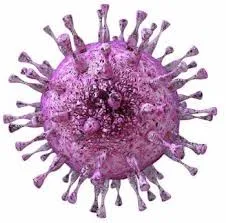
The process of performing a cytomegalovirus pcr involves several highly controlled steps to ensure result integrity. First, total DNA is extracted from the patient's sample using specialized lysis buffers and purification columns. Once the DNA is isolated, specific primers targeting conserved regions of the CMV genome (such as the UL54 or UL83 genes) are added. The thermal cycler then performs repeated heating and cooling cycles, exponentially amplifying the target sequence. Modern real-time systems use fluorescent probes to detect the amplification in real-time, reducing the risk of laboratory contamination.
Key Advantages of Modern PCR Kits
To achieve high diagnostic accuracy, laboratories rely on professional-grade reagents. High-quality cytomegalovirus pcr kits are engineered to minimize false positives caused by cross-contamination and false negatives caused by PCR inhibitors. By utilizing hot-start Taq polymerases and optimized buffer systems, these kits ensure that amplification only occurs under the correct thermal conditions. This precision is vital when dealing with critical patients where a single misdiagnosis could lead to unnecessary toxicity from antiviral medication or the failure to treat a life-threatening infection.
Specimen Requirements for Accurate CMV PCR Results
The accuracy of cytomegalovirus pcr is heavily dependent on the quality of the input specimen. Whole blood collected in EDTA tubes is the most common sample for systemic monitoring, while urine and saliva are preferred for diagnosing congenital CMV in neonates. Proper storage and transport are essential; samples should typically be refrigerated or frozen to prevent the degradation of viral DNA. Using contaminated collection tools can lead to erroneous results, highlighting the need for sterile, DNA-free environments during the sampling process.
Conclusion: Elevating Patient Care with Precise CMV PCR
The integration of cytomegalovirus pcr into clinical practice has revolutionized the management of CMV infections. By providing rapid, sensitive, and quantifiable results, PCR allows for personalized treatment strategies that reduce morbidity and mortality in high-risk populations. Whether used for the early detection of congenital infections or the lifelong monitoring of transplant patients, the precision of molecular diagnostics is indispensable. For laboratories seeking the highest standards in viral detection, investing in validated PCR workflows is the most effective way to ensure patient safety and diagnostic excellence.
Frequently Asked Questions (FAQs)
How accurate is the cytomegalovirus PCR test compared to viral culture?
Cytomegalovirus PCR is significantly more accurate and faster than viral culture. Viral culture, while definitive, can take weeks to produce results because CMV grows slowly in laboratory settings. In contrast, cytomegalovirus pcr can provide results within hours. Furthermore, PCR can detect the virus even when the viral load is too low to be grown in culture, drastically reducing the rate of false negatives and allowing for much earlier clinical intervention.
Can a positive CMV PCR result always be interpreted as an active infection?
Not necessarily. Because PCR is extremely sensitive, it can detect latent viral DNA or remnants of a previous infection. This is why quantitative PCR is so important; a very low viral load may indicate latency, whereas a high and rising viral load strongly suggests an active infection or reactivation. Clinicians must correlate cytomegalovirus pcr results with the patient's clinical symptoms, physical exam, and other laboratory markers to make an accurate diagnosis.
What are the common causes of false positives in CMV PCR testing?
The most common cause of false positives in cytomegalovirus pcr is laboratory contamination. Because the PCR process amplifies DNA millions of times, even a microscopic amount of CMV DNA from another sample or the environment can be amplified. To prevent this, professional laboratories implement strict "unidirectional workflow" (separating pre-PCR and post-PCR areas), use filter tips, and employ negative controls in every run. Using high-quality, validated kits from reputable suppliers like Cowingene further reduces these risks.
How often should a transplant patient be monitored with CMV PCR?
The frequency of monitoring depends on the type of transplant and the patient's immunosuppression level. Typically, patients are screened weekly or bi-weekly for the first few months post-transplant. This "pre-emptive" monitoring strategy uses cytomegalovirus pcr to catch the virus as soon as the viral load crosses a predefined threshold, allowing doctors to start treatment before the patient develops CMV disease. The frequency is then reduced as the patient stabilizes.
This is the first article
Related PRODUCTS
-
HPV 28 Genotyping Kit - Taizhou Cowingene Biotech Co., Ltd.|Precision & Reliability
NewsApr.14,2026 -
Advancements in PCR BK Virus Detection for Improved Patient Management
NewsApr.04,2026 -
Comprehensive Analysis of vzv PCR for Accurate Viral Detection and Diagnosis
NewsMar.31,2026 -
Comprehensive Analysis of vzv DNA PCR for Accurate Viral Detection and Diagnosis
NewsMar.28,2026 -
Comprehensive Guide to EBV DNA PCR Testing for Accurate Diagnosis and Management
NewsMar.26,2026