The rapid advancements in point-of-care testing (POCT) are revolutionizing diagnostics, and at the forefront of this shift is PCR POC technology. This innovation brings the sensitivity and specificity of Polymerase Chain Reaction (PCR) – traditionally a lab-based technique – directly to the patient's side, enabling faster results and more informed clinical decisions. The global need for rapid and accurate diagnostics, especially in resource-limited settings and during outbreaks, is driving the demand for pcr poc solutions.
PCR POC is transforming healthcare delivery by minimizing turnaround times, reducing logistical complexities, and improving patient access to critical testing. The impact extends beyond clinical settings, encompassing areas like environmental monitoring, food safety, and veterinary diagnostics. This technology isn’t merely a faster version of traditional PCR; it represents a paradigm shift in how and where diagnostic testing is performed, potentially impacting public health outcomes worldwide.
The increasing prevalence of infectious diseases, coupled with the rising need for personalized medicine, underscores the importance of accessible and reliable diagnostic tools. pcr poc is poised to address these challenges by providing real-time results, facilitating timely interventions, and ultimately contributing to a healthier global population.
The Foundations of pcr poc
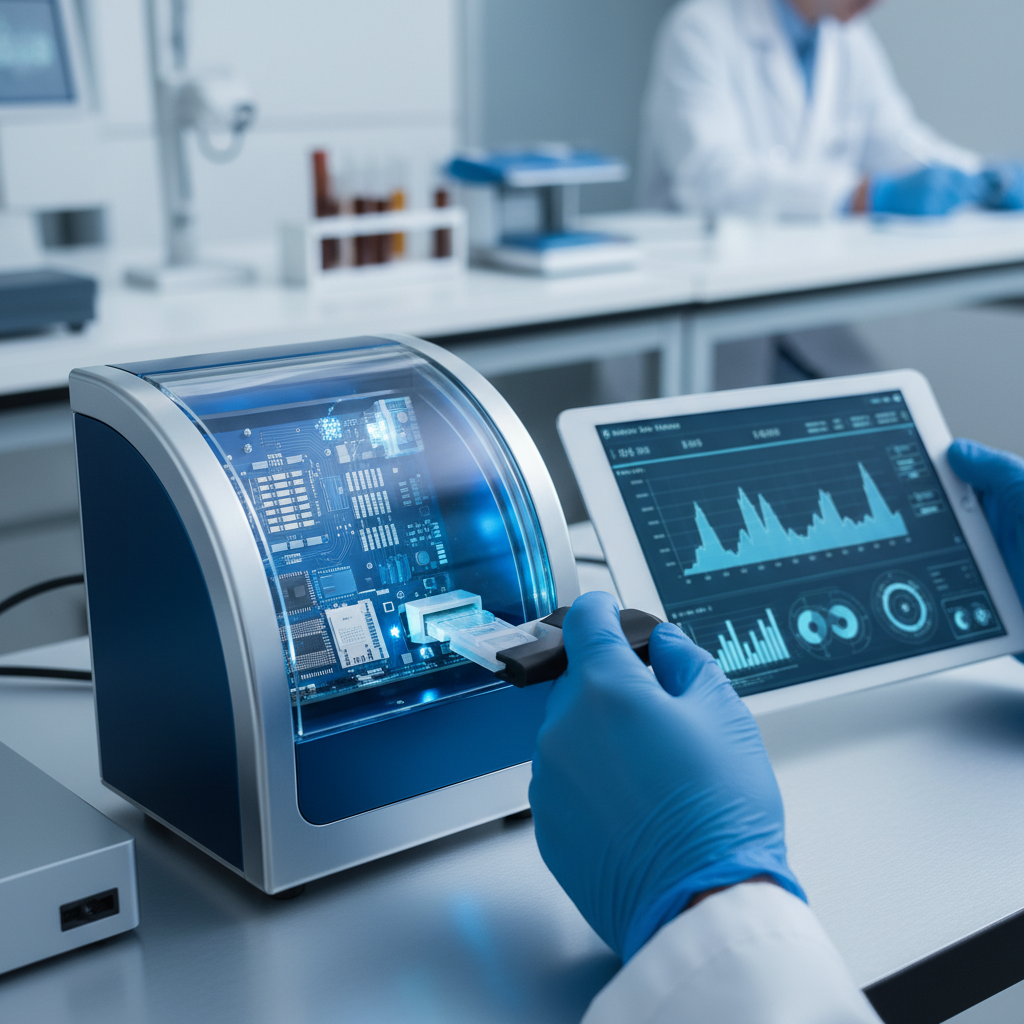
The development of pcr poc represents a significant leap forward in molecular diagnostics. Initially, PCR required complex laboratory infrastructure and skilled technicians, limiting its accessibility. However, miniaturization of components, advancements in microfluidics, and innovative thermal cycling technologies have paved the way for portable and user-friendly PCR devices.
This foundational shift has expanded the potential applications of PCR beyond centralized labs, enabling rapid diagnostics in diverse settings, from remote clinics to emergency rooms. The convergence of biotechnology, engineering, and software development continues to drive innovation in this field, promising even more sophisticated and accessible pcr poc solutions in the future.
Understanding pcr poc: A Global Perspective
Globally, the demand for rapid and accurate diagnostics is increasing, fueled by factors such as emerging infectious diseases, growing populations, and limited access to healthcare in many regions. The World Health Organization (WHO) emphasizes the critical role of diagnostics in achieving universal health coverage, and pcr poc plays a vital role in fulfilling this mandate. Statistics demonstrate a significant gap between diagnostic needs and available resources, particularly in low- and middle-income countries.
The United Nations Sustainable Development Goals (SDGs), particularly SDG 3 (Good Health and Well-being), highlight the importance of investing in healthcare infrastructure and innovative diagnostic technologies. pcr poc directly addresses these goals by providing a cost-effective and accessible solution for disease detection and monitoring, contributing to improved health outcomes worldwide.
The ISO 13485 certification, a globally recognized standard for medical device quality management, plays a key role in ensuring the reliability and accuracy of pcr poc systems. Adherence to these standards builds trust and confidence among healthcare professionals and patients, fostering wider adoption of this transformative technology.
Defining pcr poc and its Relevance
At its core, pcr poc refers to performing Polymerase Chain Reaction (PCR) – a molecular biology technique used to amplify specific DNA or RNA sequences – at or near the point of patient care. Unlike traditional PCR, which requires a centralized laboratory setting, pcr poc utilizes miniaturized, portable devices that deliver results quickly, often within minutes or hours.
The relevance of pcr poc extends far beyond simply shortening turnaround times. It's about empowering healthcare providers to make informed decisions in real-time, improving patient management, and preventing the spread of infectious diseases. In humanitarian contexts, it enables rapid outbreak detection and response, even in remote and resource-limited environments.
The increasing demand for personalized medicine further highlights the importance of pcr poc. Its ability to provide rapid genetic information allows for tailored treatment strategies based on an individual's unique genetic profile, optimizing therapeutic efficacy and minimizing adverse effects.
Core Components of Effective pcr poc Systems
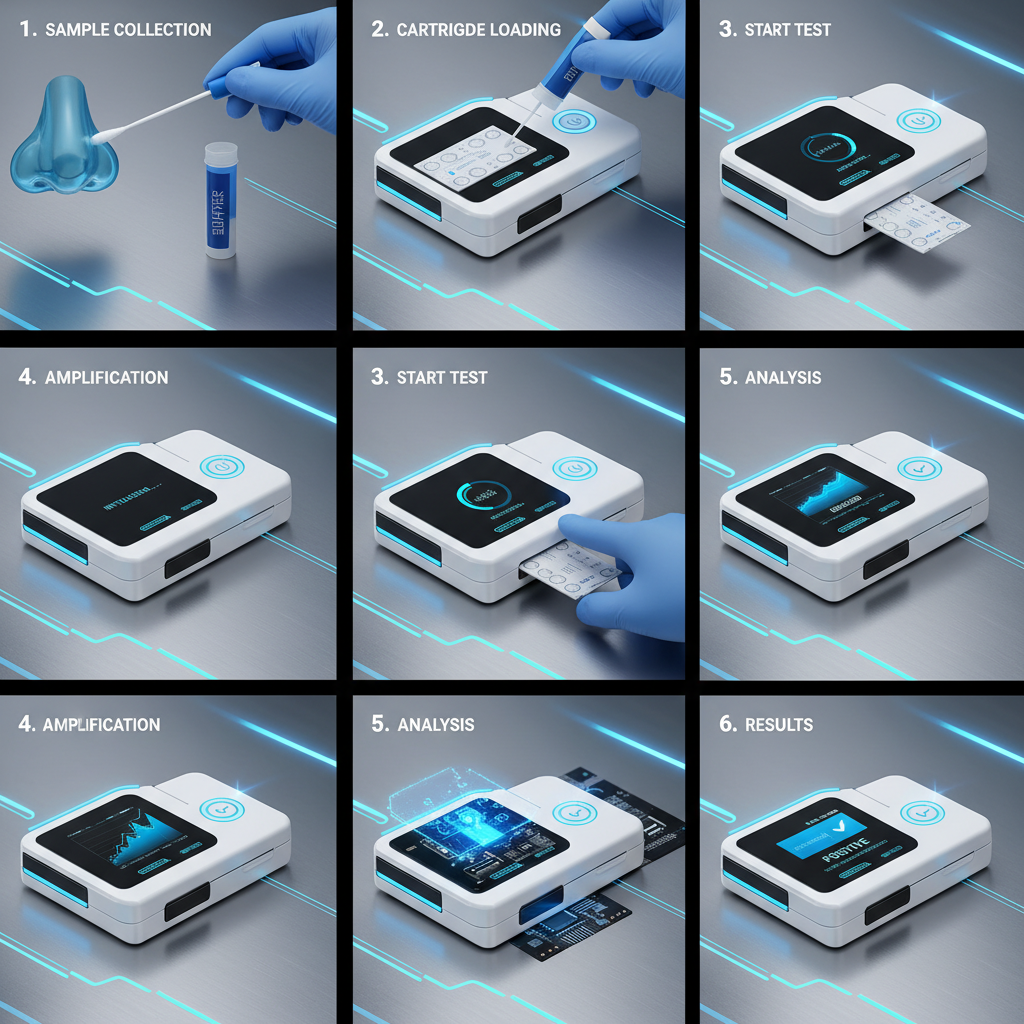
Effective pcr poc systems rely on several key components working in harmony. First, efficient sample preparation is crucial, involving rapid and reliable extraction of nucleic acids from diverse sample types, such as blood, saliva, or swabs. Second, miniaturized thermal cyclers precisely control temperature fluctuations to enable DNA amplification.
Third, sensitive detection mechanisms, such as fluorescence-based assays, identify the amplified target sequences. Finally, user-friendly software and data analysis tools interpret the results and deliver them in a clear and actionable format. Each of these components contributes to the overall performance and reliability of the system.
Performance Metrics for Different pcr poc Methods
Real-World Applications of pcr poc
The applications of pcr poc are diverse and impactful. In infectious disease control, it enables rapid diagnosis of conditions like influenza, COVID-19, and sexually transmitted infections, facilitating timely treatment and preventing outbreaks. In emergency medicine, quick results can guide critical decisions, such as antibiotic administration or isolation protocols.
Furthermore, pcr poc is instrumental in monitoring chronic diseases, such as HIV and hepatitis, allowing for effective viral load assessment and treatment optimization. Its utility extends to veterinary medicine, enabling rapid diagnosis of animal diseases and safeguarding public health.
The Advantages of pcr poc: A Long-Term Investment
Investing in pcr poc technology provides numerous long-term benefits. Reduced turnaround times lead to faster treatment initiation and improved patient outcomes. Lower logistical costs, due to minimized sample transport and centralized lab processing, contribute to significant savings. Improved accuracy and reliability enhance diagnostic confidence.
Beyond the tangible benefits, pcr poc fosters greater patient satisfaction, empowers healthcare professionals, and strengthens public health infrastructure. It represents a proactive approach to disease management, shifting from reactive to preventative care.
The social impact of pcr poc is profound, particularly in underserved communities where access to traditional diagnostic services is limited. By bringing testing closer to the patient, it promotes health equity and reduces disparities in healthcare access.
Future Trends and Innovations in pcr poc
The future of pcr poc is bright, with ongoing research and development focused on further miniaturization, automation, and integration with digital health platforms. Multiplex assays, capable of detecting multiple pathogens simultaneously, are gaining prominence, streamlining diagnostic workflows.
The integration of artificial intelligence (AI) and machine learning (ML) is poised to enhance data analysis and interpretation, improving diagnostic accuracy and predictive capabilities. The development of new sample preparation techniques, such as saliva-based assays, will further simplify testing procedures.
Furthermore, advancements in microfluidic technologies and lab-on-a-chip devices will lead to even more compact, portable, and affordable pcr poc systems, expanding their accessibility and impact globally.
Summary of Challenges and Potential Solutions in pcr poc Development
| Challenge |
Impact on pcr poc Performance |
Potential Solution |
Implementation Difficulty (1-10) |
| Sample Preparation Complexity |
Can introduce variability and reduce sensitivity |
Development of automated, integrated sample preparation modules |
7 |
| Thermal Cycling Accuracy |
Essential for efficient DNA amplification |
Utilizing advanced micro-heating elements and precise temperature control algorithms |
6 |
| Cost of Reagents |
High reagent costs can limit accessibility |
Developing cost-effective reagent formulations and lyophilized reagents |
5 |
| Data Connectivity & Security |
Essential for remote monitoring and data analysis |
Implementing secure cloud-based data storage and transmission protocols |
8 |
| User Training & Skill Level |
Requires minimal training for accurate operation |
Developing intuitive user interfaces and automated workflows |
4 |
| Regulatory Approvals & Standards |
Navigating complex regulatory pathways can delay market access |
Adhering to established quality management systems and seeking early regulatory guidance |
9 |
FAQS
The key benefits of pcr poc include significantly faster turnaround times, allowing for real-time clinical decision-making. It also eliminates the need for complex sample transport, reducing the risk of contamination and delays. Moreover, pcr poc offers increased accessibility, particularly in remote or resource-limited settings, where traditional lab facilities may be unavailable. This leads to earlier diagnosis and treatment, potentially improving patient outcomes.
pcr poc is adaptable to a broad range of sample types, including blood, saliva, nasal swabs, urine, and tissue samples. The specific sample compatibility may vary depending on the pcr poc system and the assay being used. However, advancements in sample preparation techniques are continually expanding the range of compatible samples, making it versatile for diverse diagnostic applications.
While antigen tests are quicker and often less expensive, pcr poc generally offers superior sensitivity and specificity. Antigen tests detect viral proteins, which may be present even before the peak of infection or decrease as the infection resolves. pcr poc, on the other hand, amplifies viral genetic material, providing a more accurate and reliable detection, even at low viral loads.
Rigorous quality control is crucial for pcr poc. This includes regular calibration of the instrument, use of positive and negative controls with each run, and adherence to standardized operating procedures. Proper training of personnel is also essential to minimize errors and ensure accurate sample handling and interpretation of results. External quality assessment programs can further validate the performance of the pcr poc system.
The cost of a pcr poc system varies depending on the complexity of the system, the number of tests performed, and ongoing reagent costs. While the initial investment may be higher than some other diagnostic methods, the long-term benefits, such as reduced turnaround times, improved patient management, and potential cost savings from averted outbreaks, can often justify the expenditure.
Future developments in pcr poc include the integration of AI for automated data analysis, multiplex assays capable of detecting multiple pathogens simultaneously, and advancements in microfluidic technology for even greater miniaturization and portability. We also anticipate more user-friendly interfaces, simplified sample preparation methods, and improved connectivity to electronic health records, further streamlining diagnostic workflows.
Conclusion
In conclusion, pcr poc represents a transformative technology with the potential to revolutionize diagnostics across diverse fields. From infectious disease control to personalized medicine, its ability to deliver rapid, accurate, and accessible results is unparalleled. The benefits extend beyond improved clinical outcomes, encompassing economic advantages, enhanced public health preparedness, and greater health equity.
As technology continues to advance, pcr poc is poised to become an increasingly integral part of healthcare systems worldwide. We encourage further research, investment, and collaboration to unlock its full potential and create a healthier future for all. Visit our website at www.cowingene.com to learn more about our innovative pcr poc solutions.