
Jan . 27, 2026 22:05 Back to list
Comprehensive Stool GI Panel Analysis for Gut Health and Research Applications
Understanding Stool GI Panel Applications and Benefits
In the realm of laboratory research, particularly in fields like microbiome analysis and fecal sample processing, the stool GI panel has become an indispensable tool. These panels provide a comprehensive assessment of the gut microbiome, offering valuable insights into digestive health and potential disease risks. This article delves into the applications, benefits, and key considerations for utilizing stool GI panels, with a focus on enhancing research accuracy and patient care. Understanding the nuances of these panels is crucial for researchers and healthcare professionals alike.
What is a Stool GI Panel?
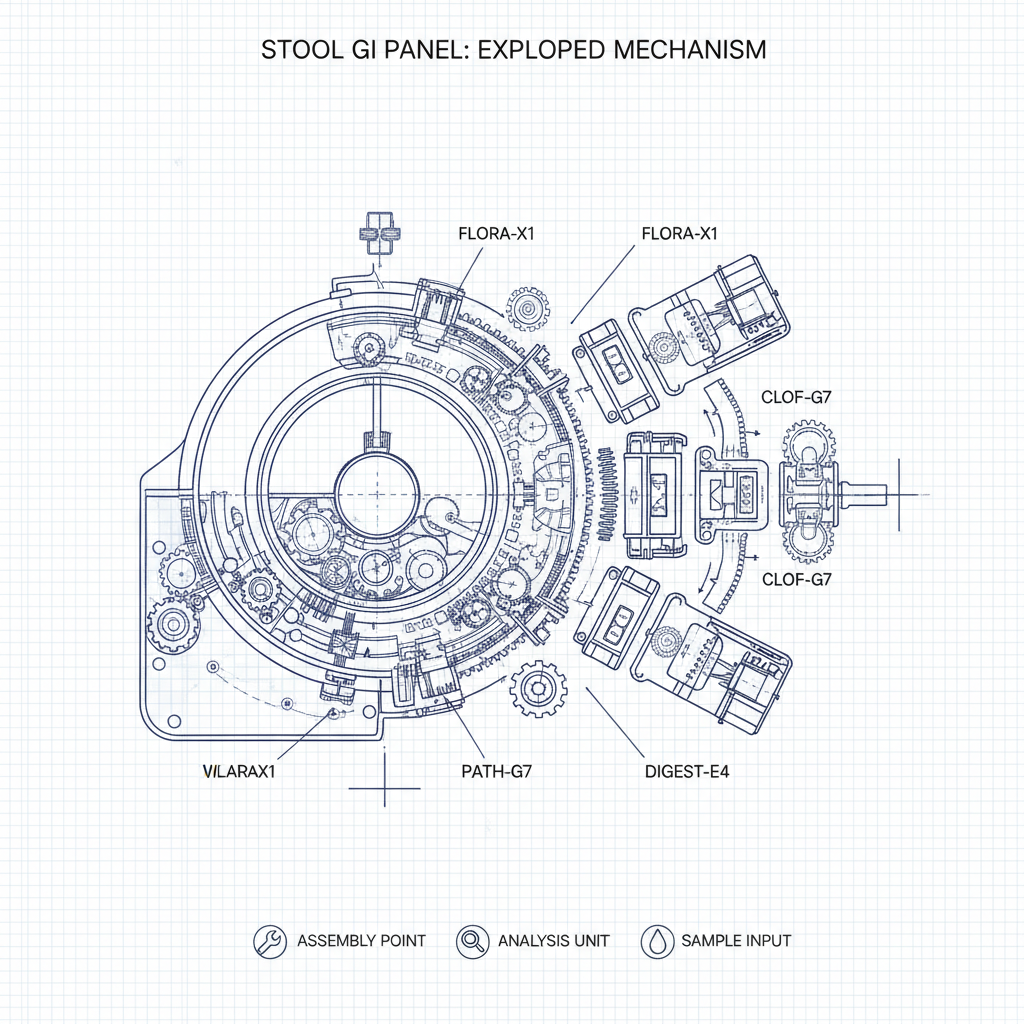
A stool GI panel is a non-invasive diagnostic test that analyzes a sample of fecal matter to identify various microorganisms and markers indicative of gut health. These panels typically assess bacterial populations, yeast overgrowth, parasitic infections, and inflammatory markers. The comprehensive nature of these panels allows for a detailed understanding of the gut microbiome's composition and function. Cowingene offers a wide array of customized stool GI panel solutions tailored to specific research needs, ensuring high accuracy and reliability.
Key Benefits: Detailed microbiome assessment, non-invasive sample collection, identification of pathogens and imbalances, personalized health insights.
Applications of Stool GI Panels in Research
Stool GI panels are widely used in a variety of research areas, including: inflammatory bowel disease (IBD) studies, examining microbiome dysbiosis in patients with Crohn's disease and ulcerative colitis; irritable bowel syndrome (IBS) research, investigating the role of gut bacteria in IBS symptoms; cancer research, exploring the link between the gut microbiome and cancer development and treatment response; and personalized medicine initiatives, tailoring dietary and therapeutic interventions based on individual microbiome profiles. These panels can also be invaluable in understanding the effects of probiotics and prebiotics on gut health.
Research Applications:
• IBD studies and microbiome analysis
• IBS research investigating bacterial roles
• Cancer research and microbiome connections
• Personalized medicine and gut-focused interventions
Stool GI Panel: Methods and Technologies
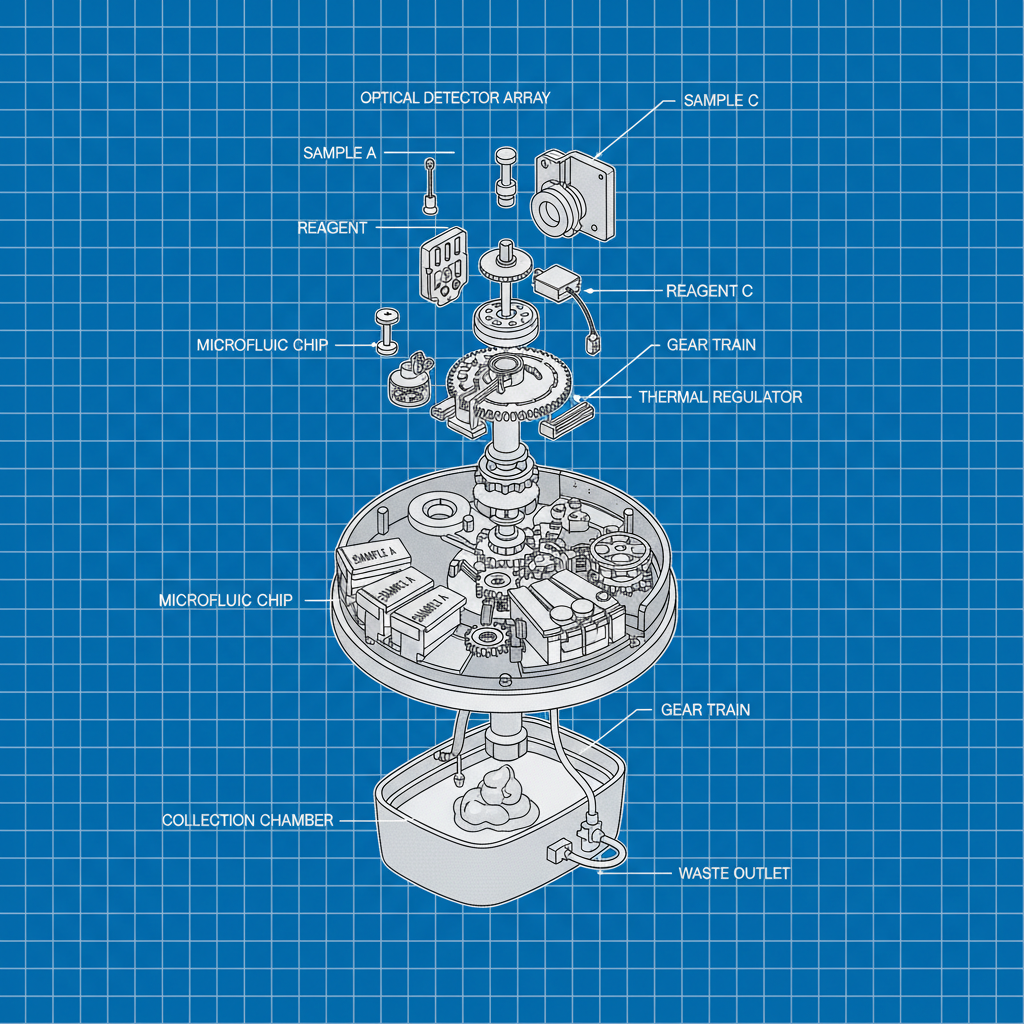
The core technology behind stool GI panels is typically 16S rRNA gene sequencing. This method identifies bacterial species based on variations in a specific gene sequence. Newer technologies, such as metagenomic sequencing, provide a more comprehensive view of the gut microbiome by analyzing all genetic material present in the sample. Other methods used include quantitative PCR (qPCR) for detecting specific pathogens and immunoassay for measuring inflammatory markers. Cowingene utilizes cutting-edge technologies to ensure accurate and reliable results, providing researchers with a complete picture of the gut microbiome.
Choosing the Right Stool GI Panel Provider
Selecting a reliable provider is crucial for obtaining accurate and meaningful results. Key considerations include: laboratory accreditation (e.g., CLIA certification), assay validation, data analysis expertise, and customization options. Cowingene stands out for its commitment to quality, its comprehensive panel offerings, and its dedicated team of scientific experts. We also prioritize data security and confidentiality, ensuring the privacy of your research data.
Future Trends in Stool GI Panel Technology
The field of microbiome research is rapidly evolving. Future trends in stool GI panel technology include: artificial intelligence (AI) and machine learning (ML) algorithms for more sophisticated data analysis; development of novel biomarkers for early disease detection; and integration of multi-omics data (e.g., genomics, proteomics, metabolomics) for a holistic understanding of gut health. Cowingene is committed to staying at the forefront of these advancements, continuously refining our panels to meet the evolving needs of the research community.
Conclusion
The stool GI panel is a powerful tool for unlocking the secrets of the gut microbiome. From research applications to personalized health insights, these panels offer unparalleled opportunities for advancing our understanding of digestive health. By partnering with a trusted provider like Cowingene, researchers and healthcare professionals can harness the full potential of this technology.
Frequently Asked Questions (FAQs)
How long does it take to receive results from a stool GI panel?
Turnaround times can vary depending on the specific panel and laboratory processing volume. Generally, you can expect results within 7-14 business days from the date the sample is received at the lab. Cowingene strives to provide rapid and reliable results, while maintaining the highest standards of accuracy. We provide transparent communication throughout the testing process, keeping you informed of the progress of your sample.
How should a stool sample be collected for a GI panel?
Proper sample collection is crucial for accurate results. Cowingene provides detailed instructions with each testing kit. Generally, it involves collecting a small amount of stool (typically using a provided swab or collection tube) and submitting it to the lab promptly. It's important to avoid contamination from toilet water and to follow the storage recommendations provided to maintain sample integrity.
What does a stool GI panel not tell me?
While stool GI panels provide a wealth of information, they don't provide a complete picture of overall health. They primarily assess the gut microbiome and markers in the stool and don’t diagnose specific diseases on their own. They should be interpreted in conjunction with other clinical data, such as medical history, physical examination, and other laboratory tests.
Related PRODUCTS
-
Understanding PCR DNA Stool Tests for Accurate Gastrointestinal Health Diagnostics
NewsJan.27,2026 -
PCR Diarrhea Panel: Fast, Accurate Gastrointestinal Pathogen Detection
NewsJan.06,2026 -
Comprehensive Guide to Diarrhea Pcr Panel for B2B Decision Makers | Cowingene
NewsJan.06,2026 -
Reliable Diarrhea PCR Kits for Fast Pathogen Detection | COWIN GENE
NewsJan.06,2026 -
Comprehensive Guide to Gi Pathogen Test Solutions for B2B Professionals
NewsJan.05,2026