
Jan . 27, 2026 19:35 Back to list
Understanding PCR DNA Stool Tests for Accurate Gastrointestinal Health Diagnostics
Understanding PCR DNA Stool Tests: A Comprehensive Guide
PCR (Polymerase Chain Reaction) DNA stool tests represent a cutting-edge approach to gastrointestinal health diagnostics. These tests are increasingly popular for identifying a wide range of pathogens, including bacteria, viruses, and parasites, that may be causing digestive issues. At Cowingene, we specialize in providing accurate and reliable PCR DNA stool testing services. This article explores the benefits, process, applications, and interpretation of these crucial tests, offering insights for both patients and healthcare professionals. Accurate diagnosis is the first step towards effective treatment and improved well-being.
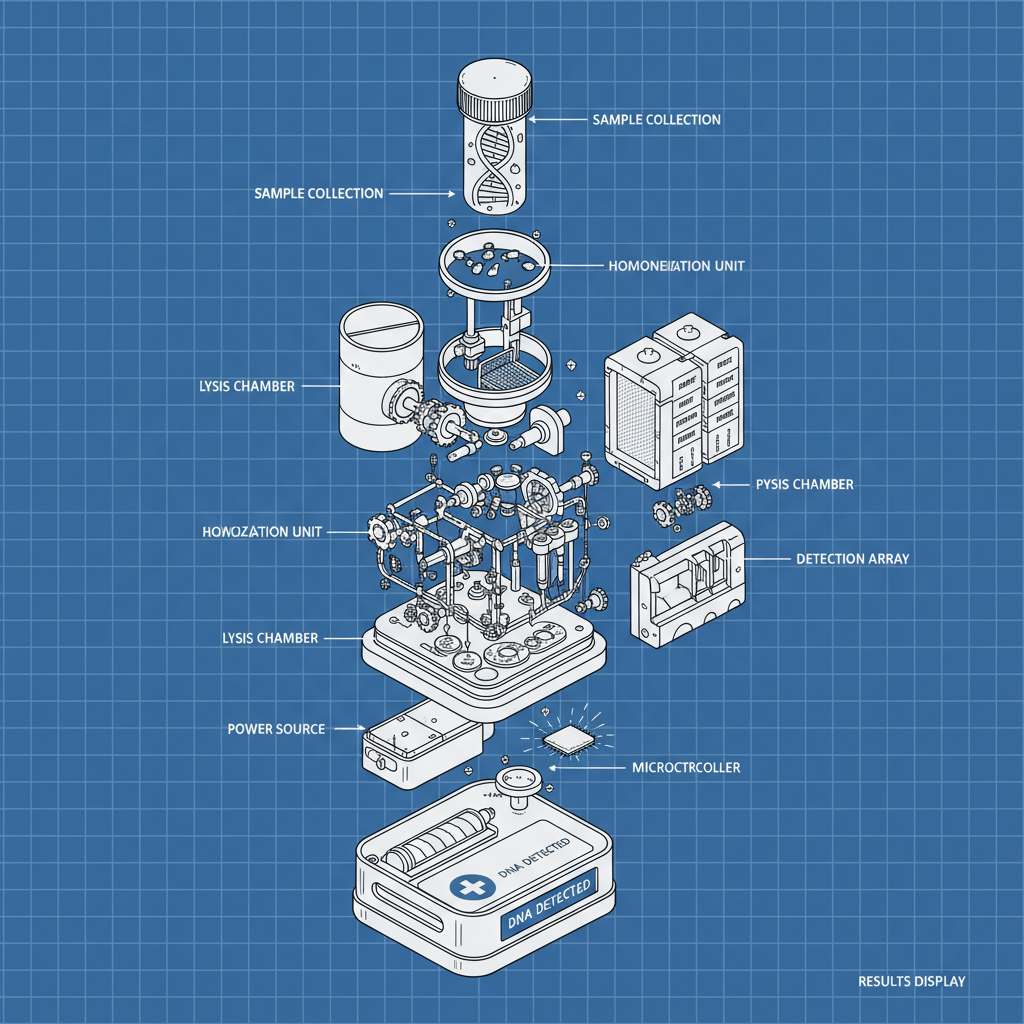
What is a PCR DNA Stool Test?
A PCR DNA stool test analyzes a stool sample for the genetic material (DNA) of various microorganisms. Unlike traditional stool culture methods, PCR is highly sensitive and can detect even small amounts of pathogen DNA, leading to more accurate results. The process involves amplifying specific DNA sequences, making them easier to identify. This method is particularly useful for detecting organisms that are difficult to culture in the lab, or that are present in low numbers. Cowingene's advanced PCR technology provides rapid and precise analysis.
Key Highlights: Highly sensitive detection of pathogens, identification of both common and rare organisms, rapid turnaround time, and minimal sample requirements.
Applications of PCR DNA Stool Testing
PCR DNA stool tests are utilized in a broad range of clinical scenarios. They are crucial for diagnosing the causes of acute and chronic diarrhea, identifying the source of foodborne illnesses, and monitoring patients with inflammatory bowel disease (IBD). Furthermore, these tests play a vital role in detecting opportunistic infections in immunocompromised individuals. They're also valuable in identifying parasites that may be resistant to conventional treatments. From investigating unexplained gastrointestinal symptoms to managing chronic conditions, PCR DNA stool testing offers valuable insights.
Key Applications:
• Diagnosing infectious diarrhea
• Identifying foodborne pathogens
• Monitoring IBD patients
• Detecting parasitic infections
PCR DNA Stool Test vs. Traditional Stool Culture: A Comparison
While traditional stool culture remains a common diagnostic method, PCR DNA stool testing offers significant advantages. Traditional cultures rely on growing microorganisms in the lab, a process that can be time-consuming and may not detect organisms that are difficult to culture. PCR, on the other hand, directly detects the genetic material of the pathogens, providing faster and more accurate results. This makes PCR particularly useful for rapidly identifying the cause of an outbreak or initiating targeted treatment.
The PCR DNA Stool Testing Process at Cowingene
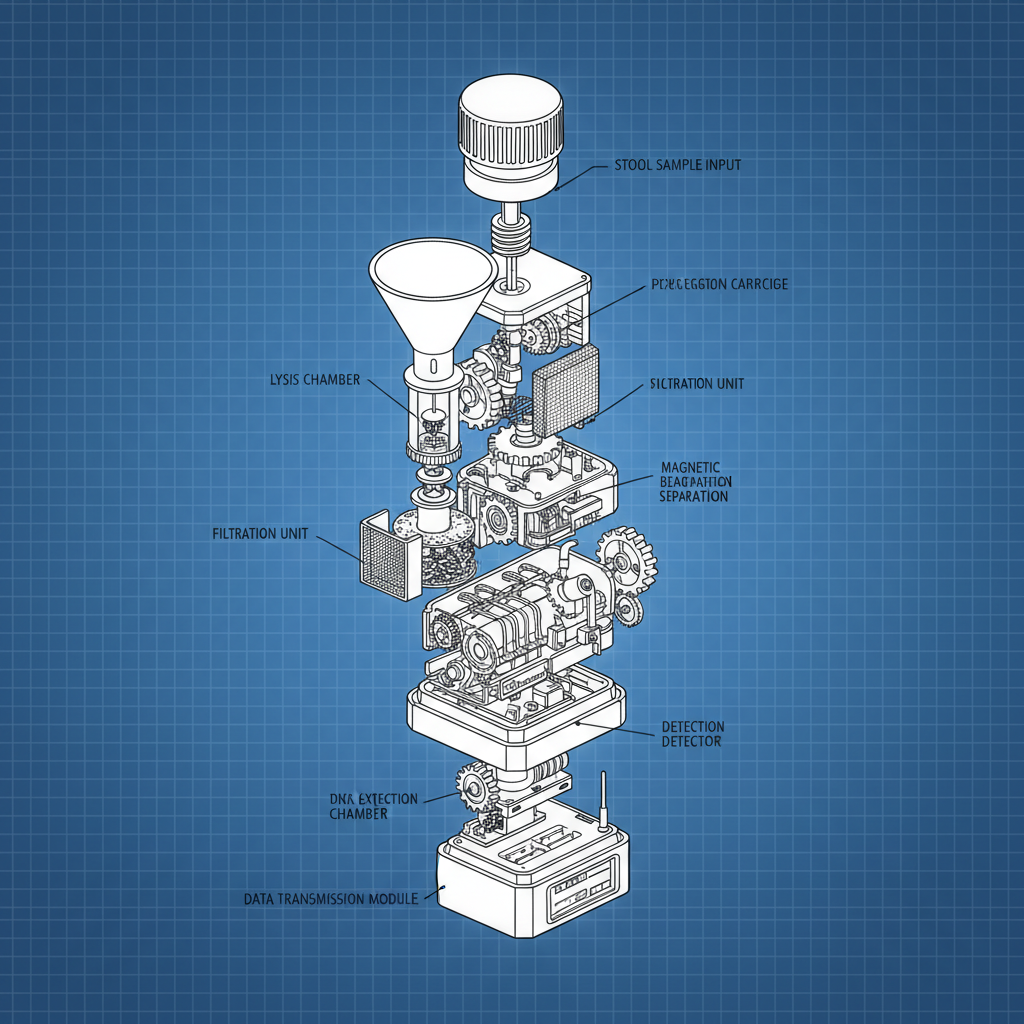
At Cowingene, our PCR DNA stool testing process is streamlined and efficient. Patients typically collect a stool sample at home using a provided collection kit. The sample is then shipped to our state-of-the-art laboratory, where our expert technicians perform the PCR analysis. We utilize rigorous quality control measures to ensure accurate and reliable results. Results are typically available within 24-48 hours of sample receipt.
Interpreting Your PCR DNA Stool Test Results
PCR DNA stool test results indicate the presence or absence of specific pathogens. A positive result confirms the presence of the targeted organism, while a negative result suggests it was not detected in the sample. It's important to note that a positive result doesn't necessarily indicate that the pathogen is causing your symptoms; it simply means it's present. Your healthcare provider will interpret the results in conjunction with your clinical history and other diagnostic findings to determine the best course of treatment. For detailed analysis and expert support, Cowingene provides comprehensive reporting and consultation services.
Conclusion: Empowering Gastrointestinal Health with Advanced Diagnostics
PCR DNA stool testing offers a powerful tool for diagnosing and managing gastrointestinal disorders. The advanced technology, rapid results, and high sensitivity make it a valuable asset for both patients and healthcare professionals. At Cowingene, we are committed to providing accurate, reliable, and timely diagnostic services to empower better health outcomes.
Frequently Asked Questions (FAQs)
How do I collect a stool sample for PCR DNA testing?
Cowingene provides a comprehensive collection kit with detailed instructions. Generally, you'll collect a small amount of stool into a provided container, avoiding any contamination with urine or toilet water. It’s best to collect the sample as soon as possible after a bowel movement and store it according to the kit instructions, usually refrigeration or freezing, until you're ready to ship it to our lab. The kit includes prepaid shipping labels for convenience.
What pathogens can be detected with a PCR DNA stool test?
PCR DNA stool tests can detect a wide range of pathogens, including common bacterial causes of diarrhea like Salmonella, Shigella, Campylobacter, and E. coli. They can also identify viruses such as Norovirus and Rotavirus, and parasites like Giardia and Cryptosporidium. At Cowingene, we offer customized panels to test for specific pathogens based on your clinical needs.
Is preparation required before taking the test?
Generally, no special preparation is needed before collecting a stool sample. However, your healthcare provider may advise you to discontinue certain medications, like antibiotics or anti-diarrheal drugs, a few days before the test, as these can affect the results. Always follow your doctor’s instructions.
How long does it take to receive my results?
At Cowingene, we strive for rapid turnaround times. Results are typically available within 24-48 hours of receiving your sample at our laboratory. You will receive a secure digital report with your results, and your healthcare provider will discuss the findings with you.
Related PRODUCTS
-
Comprehensive Stool GI Panel Analysis for Gut Health and Research Applications
NewsJan.27,2026 -
PCR Diarrhea Panel: Fast, Accurate Gastrointestinal Pathogen Detection
NewsJan.06,2026 -
Comprehensive Guide to Diarrhea Pcr Panel for B2B Decision Makers | Cowingene
NewsJan.06,2026 -
Reliable Diarrhea PCR Kits for Fast Pathogen Detection | COWIN GENE
NewsJan.06,2026 -
Comprehensive Guide to Gi Pathogen Test Solutions for B2B Professionals
NewsJan.05,2026