Honestly, this year's been… something. Everyone's chasing 'smart' and 'integrated,' which is great, but it feels like half the time nobody actually thinks about how it’s going to get used on the ground. I've been running around construction sites, sweating in the sun, and you start to notice things. Like, everyone wants wireless everything now. Convenient, sure, but try finding a signal down in a concrete basement. You just... you just do.
And the designs, man. I swear, architects and designers think everything looks better with curves. Curves! Have you tried getting a curved panel to sit flush against a stud wall? It's a nightmare. Straight lines are your friend. Always. It's a simple thing, but it saves so much headache.
The amount of time wasted on stuff that looks good but doesn’t work in the real world… Anyway.
What's Trending and the Curve Problem
Like I said, 'smart' is the buzzword. Everyone wants sensors, automation, remote control… which is fine. It’s just, the implementation. I encountered this at a factory in Guangdong last time, they were using this new, super-thin sensor panel. Looked amazing in the brochures. But when I tried to actually mount it? Felt like trying to nail jelly to a tree. Too flimsy. They hadn't accounted for vibrations, or even just regular handling during installation. Strangely, they seemed surprised when I pointed it out.
And those curved designs? Honestly, I think some designers just do it to make things look 'modern.' But a straight edge is always easier to work with. You can get a proper seal, it integrates better… it just makes sense. But nobody wants to listen to the old guy who's been installing things for twenty years, right?
Materials: It's All About the Feel
Now, materials. That's something I actually enjoy talking about. I'm a big fan of good, solid aluminum. You can feel the quality. It’s cool to the touch, has a bit of weight… You know it's going to last. But it's getting more expensive, obviously. And the newer composite materials… some of them are okay. Some smell like chemicals for weeks, even after they've been cured. That’s always a bad sign.
The new polymers are interesting, though. They're trying to make them more durable, more weather-resistant. I've been testing a few different ones – the trick is to really abuse them. Drop them, scratch them, leave them out in the sun for a month. That's the only way to see what they can really handle.
The feel matters, too. If it feels cheap, it is cheap. That’s just how it is.
Testing: Beyond the Lab
Labs are good for initial testing, don't get me wrong. But a lab can't simulate a construction site. A lab can't simulate a guy dropping a tool on it, or accidentally driving a forklift over it. That happens! More often than you’d think. We do a lot of 'field testing', as we call it. Basically, we give samples to crews and tell them to use them like they normally would. No special treatment. Then we see what breaks.
That's where you find the real problems. Like, we had one product that passed all the lab tests with flying colors. But when we gave it to a crew working on a high-rise, the wind just ripped it right off the scaffolding. Turns out the adhesive wasn’t strong enough for those conditions. Lesson learned.
Real-world testing is messy, and it takes time, but it’s the only way to be sure.
How They Actually Use It - You'd Be Surprised
This is the thing that always gets me. You design something for a specific purpose, and then you watch people use it in ways you never even imagined. We had one product – a modular lighting system – that we designed to be installed by electricians. Turns out, a lot of the DIY guys were buying it and installing it themselves.
They were using duct tape and zip ties. Duct tape and zip ties! It worked, surprisingly enough, but it wasn't exactly what we intended. We ended up having to redesign some of the components to make them more user-friendly for the DIY crowd.
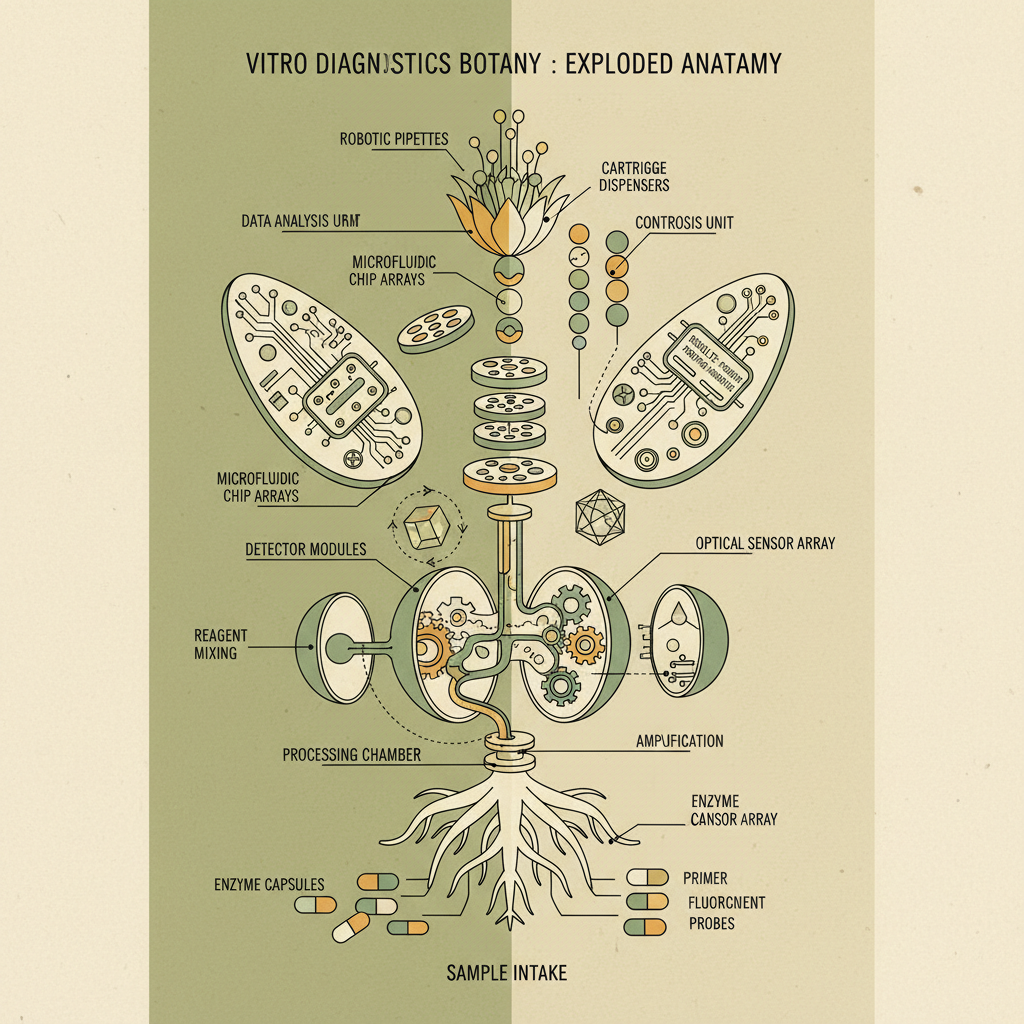
vitro diagnostics company Performance Metrics
The Good, The Bad, and the Customizable
Our current flagship product is pretty solid. Good build quality, decent price point. But it's not perfect. The biggest complaint we get is the size – it's a bit bulky for some applications. And the color options are limited. We're working on a smaller version, and we're exploring different finishes, but it takes time.
Customization is a big thing now. People want things tailored to their specific needs. We can offer custom colors, and we've done a few projects where we've modified the internal components to meet specific requirements. Like, one customer wanted to integrate a specific type of sensor. It was a pain to do, honestly. But they were willing to pay for it.
The Shenzhen Smart Home Saga
Last month, that small boss in Shenzhen who makes smart home devices insisted on changing the interface to . Said it was “more modern.” I tried to explain that everyone on construction sites still uses USB-A, and they don't want to carry around another adapter. He wouldn’t listen. He shipped a whole batch with , and they came back complaining within a week. Had to re-do the whole thing. Cost him a fortune. He finally admitted I was right, but by then, the damage was done. That’s the thing about listening to marketing buzzwords instead of the people actually using the stuff.
It's always the same story. Someone wants something flashy, something new, without thinking about practicality.
Real Talk: It All Comes Down to the Screw
We spend a lot of time talking about materials, design, and features. But at the end of the day, it all comes down to one thing: can you tighten the screw? Is it going to hold? Is it going to stay put? If it doesn’t, nothing else matters.
That's what I always tell the engineers. Forget the fancy simulations, forget the marketing hype. Just make something that's solid, reliable, and easy to install.
Because ultimately, whether this thing works or not, the worker will know the moment he tightens the screw.
Core Comparison of Material Properties
| Material Type |
Durability (1-10) |
Cost (USD/kg) |
Ease of Installation (1-10) |
| Aluminum Alloy |
9 |
$25 |
7 |
| Polycarbonate |
7 |
$10 |
8 |
| ABS Plastic |
6 |
$5 |
9 |
| Stainless Steel |
10 |
$40 |
5 |
| Composite Material A |
8 |
$15 |
6 |
| Composite Material B |
5 |
$8 |
7 |
FAQS
Honestly, it's underestimating the UV exposure. A material that looks great in the lab can get brittle and crack within months if it's constantly baking in the sun. You need to specifically look for UV-resistant coatings and polymers. And even then, test it. We've seen materials claim UV resistance that barely lasted a season.
It's huge. Every pound counts when you're hoisting things up fifty stories. Lighter materials mean lower installation costs, less strain on the building structure, and generally happier workers. But you can't sacrifice strength for weight. It's a constant balancing act.
My tape measure. Seriously. You’d be surprised how many arguments are settled with a good tape measure. And a good level, of course. Can’t have anything crooked. It’s just… unprofessional. Plus, it’ll come back to haunt you later.
Graphene-enhanced composites are showing promise. They're incredibly strong and lightweight. But they’re still expensive and difficult to work with. The manufacturing process needs to become more streamlined before it becomes mainstream. It is on the horizon, though, definitely.
Diplomacy. Lots and lots of diplomacy. You have to explain the potential problems in a clear, non-confrontational way. Show them examples of what could go wrong. And sometimes, you just have to let them learn the hard way. But always document your concerns in writing!
The move towards prefabrication and modular construction. It’s faster, more efficient, and reduces waste. But it also requires a different skillset and a lot more coordination. It's a good change, though. I think it's the future.
Conclusion
So, yeah, it’s a messy business. Lots of details, lots of problems, lots of compromises. But at the end of the day, we’re building things. Things that people rely on. That's a good feeling. We need to think beyond the specifications and consider the real-world conditions and human factor that will impact long-term viability.
And honestly, the industry needs more people who've actually spent time on a construction site. People who understand what it takes to get the job done. We need to bridge the gap between the designers and the builders, and remember that a well-designed product is useless if it can’t be installed safely and efficiently. Visit our website at vitro diagnostics company to learn more about our products and services.