
Mar . 24, 2026 02:35 Back to list
Comprehensive Guide to EBV DNA PCR Qualitative Test for Accurate Diagnosis
EBV DNA PCR Qualitative Test: A Comprehensive Guide
The Epstein-Barr virus (EBV) is a highly prevalent human herpesvirus, associated with a range of clinical manifestations, from infectious mononucleosis to certain types of cancer. Accurate and reliable detection of EBV is crucial for diagnosis, monitoring, and treatment decisions. The EBV DNA PCR qualitative test is a highly sensitive molecular assay used to detect the presence of EBV DNA in various clinical samples. This article provides a detailed overview of the test, its applications, benefits, and considerations, aiming to offer comprehensive information for healthcare professionals and individuals seeking understanding. Understanding the principles and clinical utility of this test is key to effective EBV management.
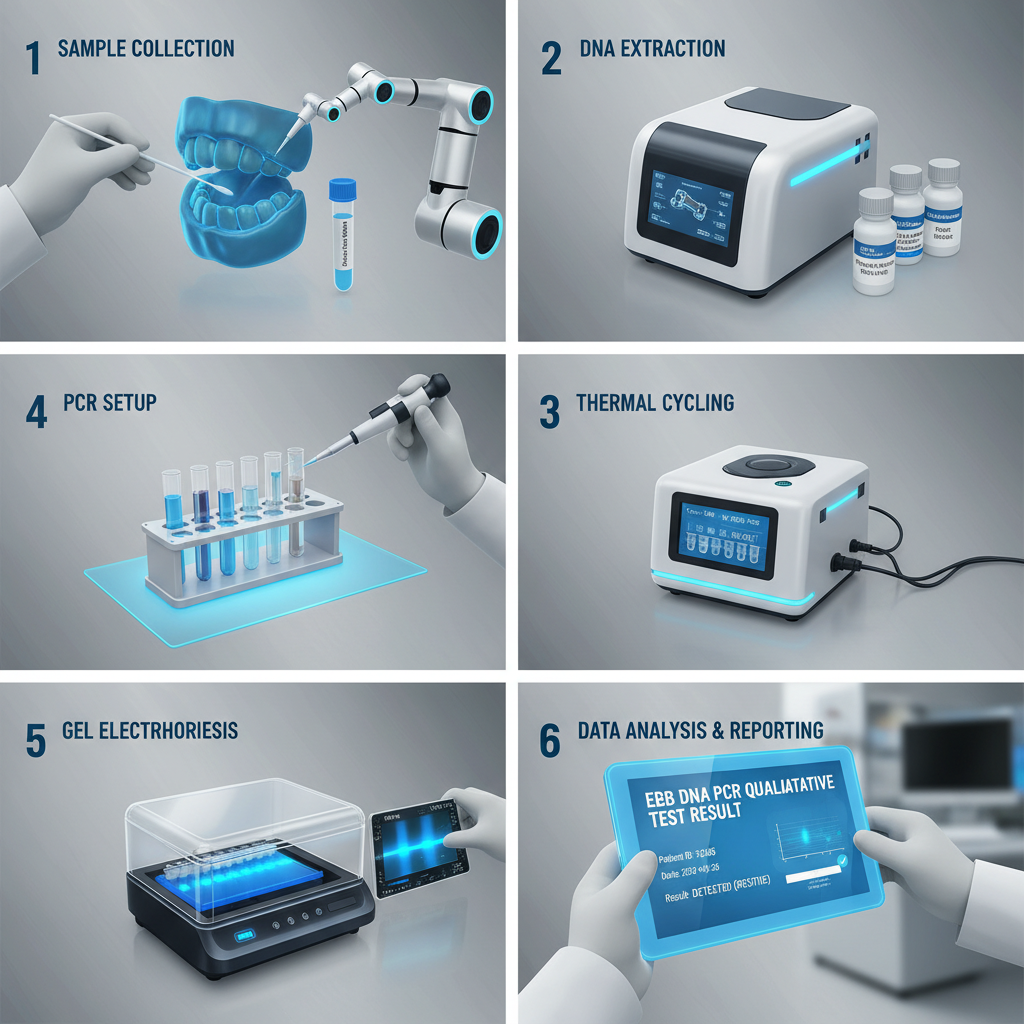
Understanding the EBV DNA PCR Qualitative Test
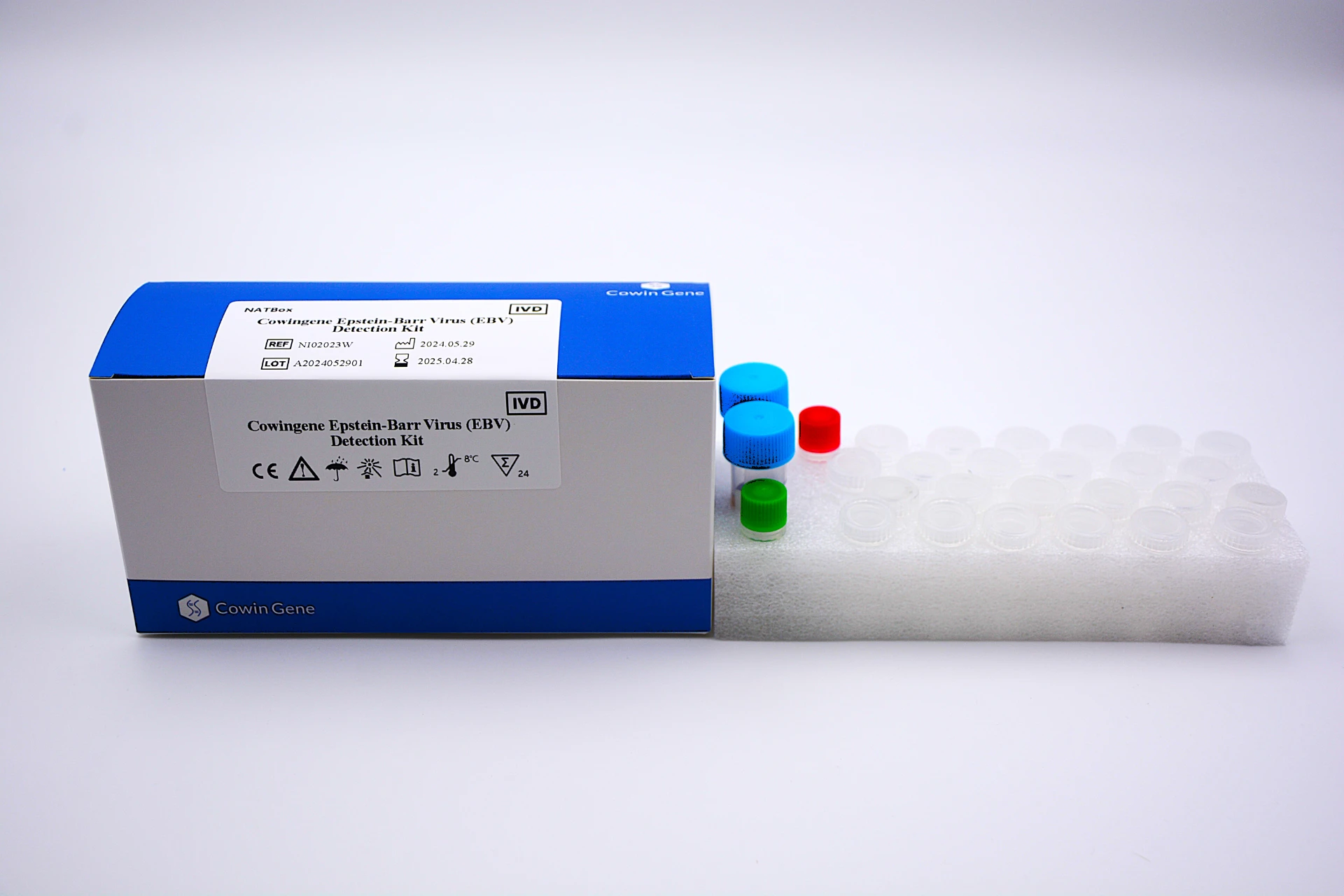
The EBV DNA PCR qualitative test is a molecular diagnostic assay that specifically detects the presence of Epstein-Barr virus DNA in a sample. Unlike quantitative PCR, which measures the viral load, this test simply indicates whether the virus is present (positive) or absent (negative). It employs the Polymerase Chain Reaction (PCR) technique to amplify specific DNA sequences unique to EBV, making even small amounts of viral DNA detectable. The test’s qualitative nature makes it ideal for initial diagnosis and screening. It’s a powerful tool in differentiating between past and active EBV infections. Cowin Gene offers reliable and accurate EBV DNA PCR qualitative testing.
Key Highlights: Employs PCR to amplify EBV-specific DNA sequences, provides a definitive presence/absence result, highly sensitive and specific, crucial for initial diagnosis and monitoring.
Clinical Applications of the EBV DNA PCR Qualitative Test
The EBV DNA PCR qualitative test has a wide range of clinical applications. It’s used in diagnosing acute EBV infection (infectious mononucleosis), investigating post-transplant lymphoproliferative disorder (PTLD), evaluating nasopharyngeal carcinoma (NPC) – a cancer strongly associated with EBV – and monitoring EBV viral load in immunocompromised patients. Additionally, it helps differentiate between primary and reactivation of EBV infection. Accurate diagnosis is critical for appropriate patient management and treatment strategies.
Clinical Applications:
• Diagnosis of Acute EBV Infection
• Post-Transplant Lymphoproliferative Disorder (PTLD) investigation
• Nasopharyngeal Carcinoma (NPC) evaluation
• Monitoring in Immunocompromised Patients
EBV DNA PCR Qualitative Test vs. Other EBV Diagnostic Methods
Several methods are available for EBV diagnosis, including serological tests (e.g., Monospot, EBV antibody panels) and viral capsid antigen (VCA) IgM/IgG assays. Serological tests detect antibodies produced in response to EBV infection, which can indicate past or present infection but don’t directly detect the virus itself. VCA IgM/IgG assays are useful for determining the stage of infection. However, the EBV DNA PCR qualitative test offers superior sensitivity and specificity, particularly in immunocompromised patients where antibody responses may be impaired. The PCR test directly detects viral DNA, providing a more definitive diagnosis.
Sample Requirements and Interpretation of Results
The EBV DNA PCR qualitative test can be performed on various clinical samples, including whole blood, serum, plasma, cerebrospinal fluid (CSF), and tissue biopsies. Proper sample collection and handling are crucial to ensure accurate results. A positive result indicates the presence of EBV DNA in the sample, suggesting an active infection or viral persistence. A negative result indicates the absence of detectable EBV DNA. It’s important to interpret results in conjunction with clinical findings and other diagnostic tests.
Cowin Gene's Commitment to Accurate EBV Testing
At Cowin Gene, we are dedicated to providing high-quality, reliable EBV DNA PCR qualitative testing services. Our experienced team utilizes state-of-the-art technology and rigorous quality control measures to ensure accurate and timely results. We understand the critical role accurate diagnosis plays in patient care and strive to deliver the highest standards of laboratory service. We are committed to supporting healthcare professionals in their efforts to effectively manage EBV-related conditions.
Conclusion
The EBV DNA PCR qualitative test is an invaluable tool for the diagnosis and management of Epstein-Barr virus infections. Its high sensitivity, specificity, and direct detection of viral DNA make it a superior choice compared to traditional serological methods. By choosing Cowin Gene, you can trust that you are receiving accurate and reliable results.
Frequently Asked Questions (FAQs)
What is the turnaround time for the EBV DNA PCR qualitative test?
The turnaround time for the EBV DNA PCR qualitative test typically ranges from 24 to 72 hours, depending on the laboratory workload and sample type. Cowin Gene prioritizes timely reporting of results without compromising accuracy. We strive to provide results as quickly as possible to facilitate prompt clinical decision-making. Faster turnaround times may be available for urgent cases; please contact our customer service team for details.
What type of sample is preferred for EBV DNA PCR qualitative testing?
While the test can be performed on various samples, whole blood, serum, or plasma are the most commonly used and preferred samples for EBV DNA PCR qualitative testing. The choice of sample type may depend on the clinical scenario and the specific requirements of the laboratory. CSF samples are typically used when investigating neurological involvement of EBV. Proper sample collection and handling are essential for optimal results.
Can a false negative result occur with the EBV DNA PCR qualitative test?
Although the EBV DNA PCR qualitative test is highly sensitive, a false negative result can occur in rare cases. This may be due to factors such as low viral load, improper sample collection or handling, or the presence of PCR inhibitors in the sample. If clinical suspicion of EBV infection remains high despite a negative PCR result, repeat testing or alternative diagnostic methods may be considered. Cowin Gene implements stringent quality control measures to minimize the risk of false negative results.
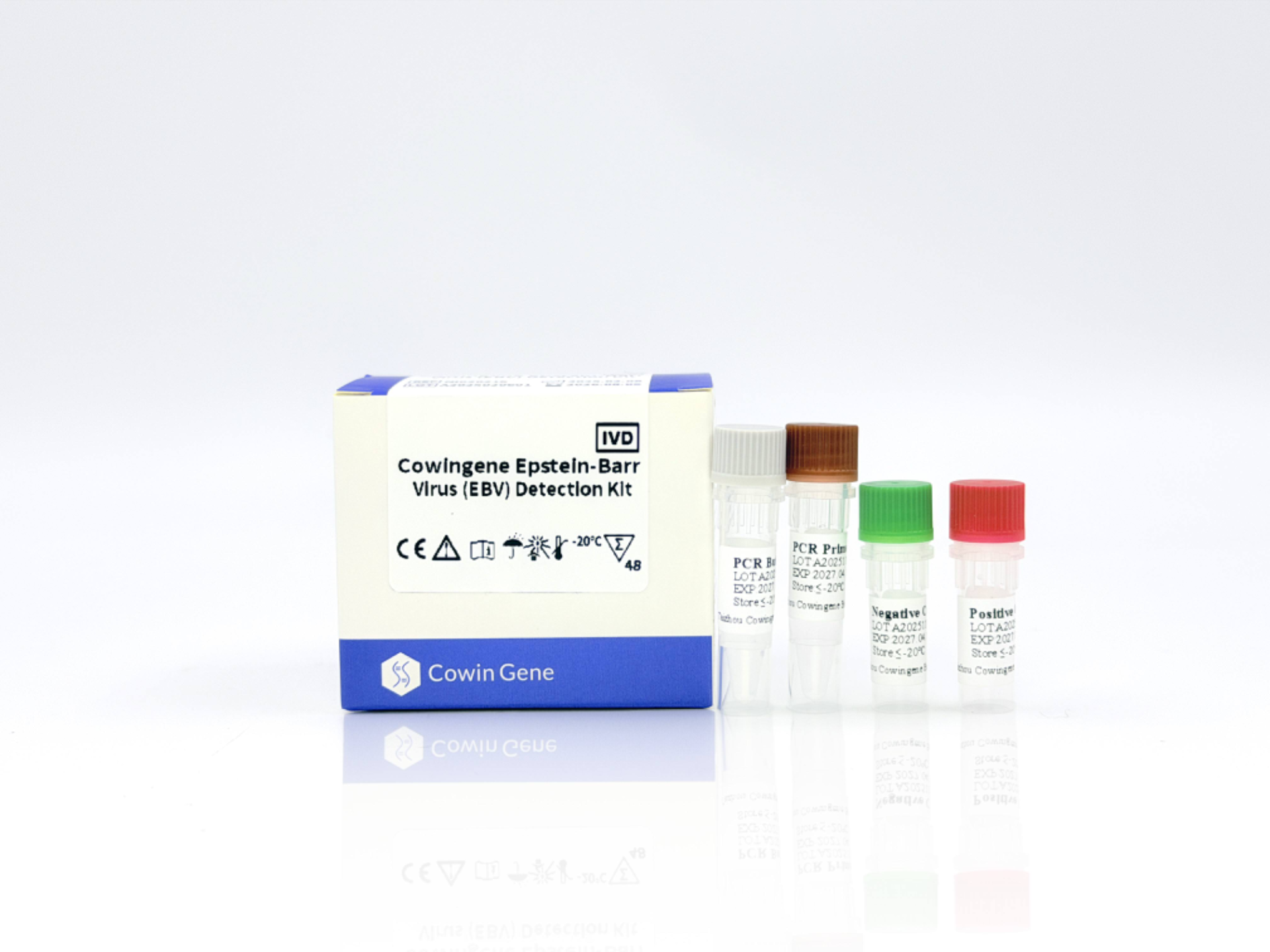
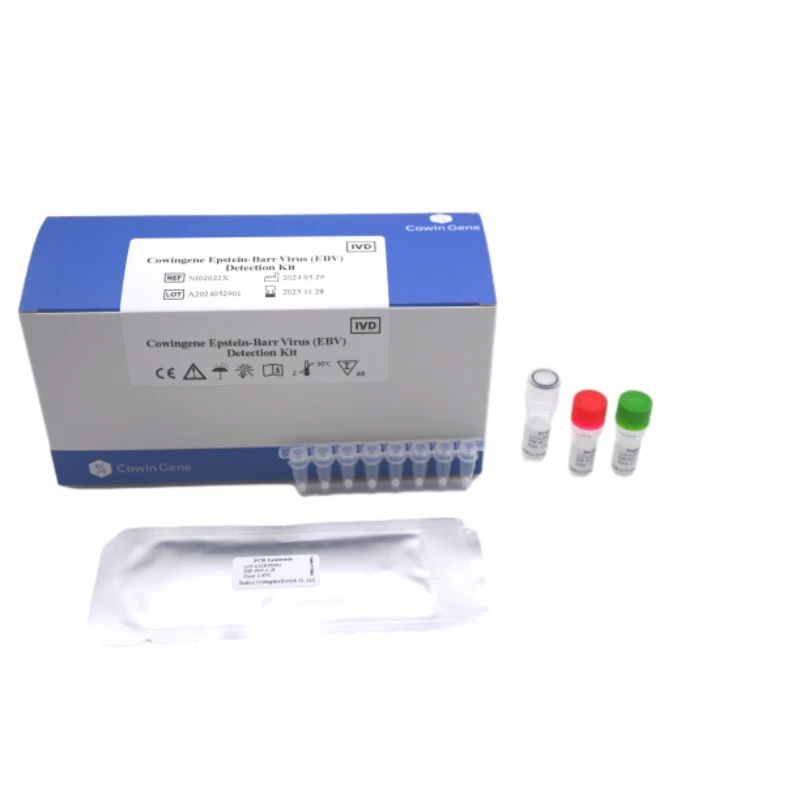
Related PRODUCTS
-
Precision Diagnostics for Viral Detection Using Cytomegalovirus PCR
NewsApr.16,2026 -
HPV 28 Genotyping Kit - Taizhou Cowingene Biotech Co., Ltd.|Precision & Reliability
NewsApr.14,2026 -
Advancements in PCR BK Virus Detection for Improved Patient Management
NewsApr.04,2026 -
Comprehensive Analysis of vzv PCR for Accurate Viral Detection and Diagnosis
NewsMar.31,2026 -
Comprehensive Analysis of vzv DNA PCR for Accurate Viral Detection and Diagnosis
NewsMar.28,2026 -
Comprehensive Guide to EBV DNA PCR Testing for Accurate Diagnosis and Management
NewsMar.26,2026