
Mar . 26, 2026 02:25 Back to list
Comprehensive Guide to EBV DNA PCR Testing for Accurate Diagnosis and Management
EBV DNA PCR Test: A Comprehensive Guide
The Epstein-Barr Virus (EBV) is a highly common human virus. Understanding the role of an EBV DNA PCR test is crucial for accurate diagnosis and effective management of EBV-related conditions. This article provides an in-depth look at what the test entails, its clinical significance, how it’s performed, interpretation of results, and benefits. Early and accurate detection is paramount for improving patient outcomes, and this test serves as a valuable tool in achieving that goal.
What is an EBV DNA PCR Test?
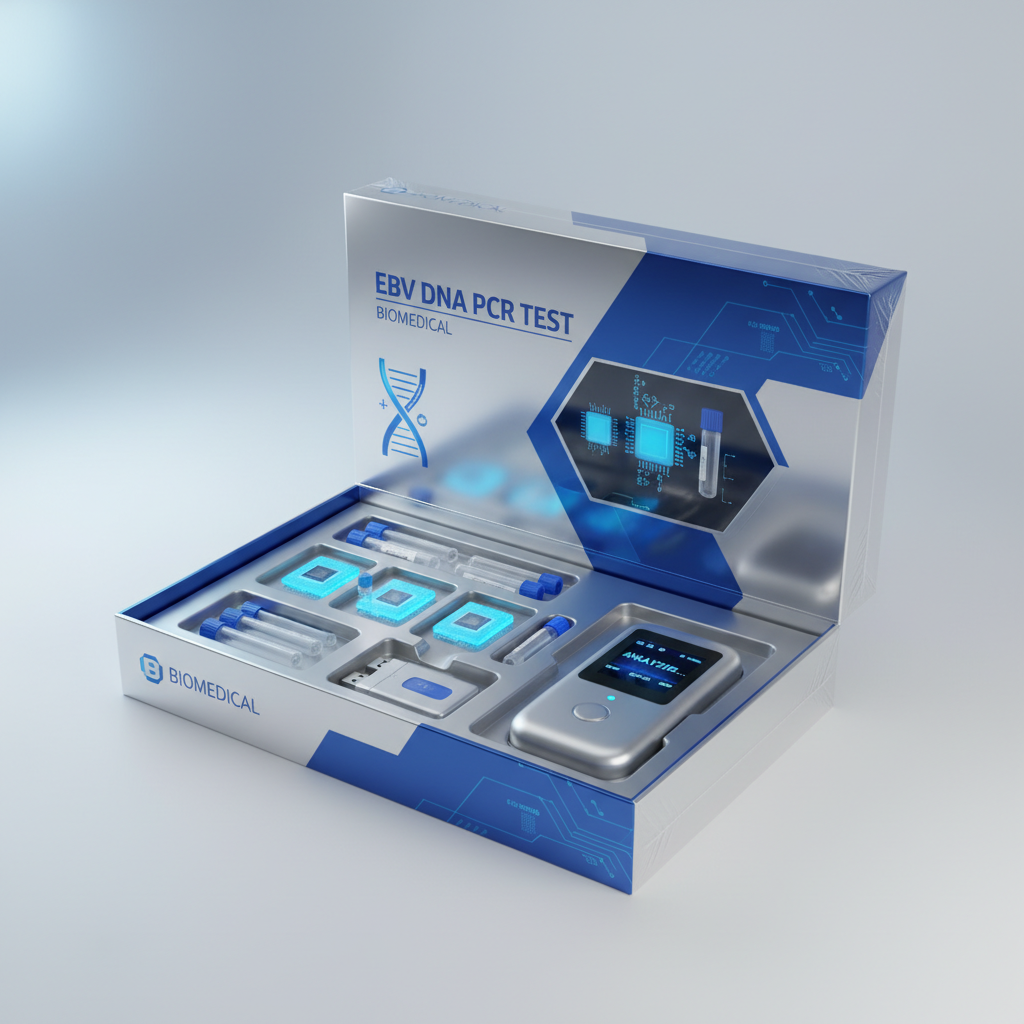
An EBV DNA PCR (Polymerase Chain Reaction) test is a molecular diagnostic test used to detect the presence of Epstein-Barr virus DNA in a biological sample, typically blood or cerebrospinal fluid. PCR amplifies specific DNA sequences, making even small amounts of viral DNA detectable. This test differs from antibody tests, which detect the body’s immune response to EBV. The EBV DNA PCR test directly identifies the virus itself, offering a more accurate and sensitive assessment of active infection or viral load.
Key Highlights: Directly detects EBV DNA, highly sensitive, differentiates between active infection and past exposure, useful for monitoring treatment effectiveness.
Clinical Applications of the EBV DNA PCR Test
This test is crucial in various clinical scenarios. It's essential for diagnosing acute EBV infections, especially in patients presenting with symptoms like fever, fatigue, sore throat, and swollen lymph nodes. Furthermore, it plays a vital role in managing immunocompromised patients, such as transplant recipients or individuals with HIV, who are at higher risk of severe EBV-related complications. The test also aids in the diagnosis of EBV-associated malignancies, like Burkitt's lymphoma and nasopharyngeal carcinoma. Monitoring viral load is useful to assess treatment response in these conditions.
Clinical Uses:
• Diagnosing acute EBV infections
• Managing immunocompromised patients
• Diagnosing EBV-associated malignancies
• Monitoring treatment effectiveness
EBV DNA PCR Test: How the Procedure Works
The procedure is relatively straightforward. A healthcare professional will collect a blood sample, and in certain cases, cerebrospinal fluid may be required. The sample is then sent to a specialized laboratory where the EBV DNA is extracted and amplified using the PCR technique. Primers specific to EBV DNA are used to target and replicate the viral genetic material. The amount of amplified DNA is measured, providing a quantitative viral load. Cowingene uses state-of-the-art PCR technology to ensure accurate and reliable results.
Interpreting EBV DNA PCR Test Results
A positive result indicates the presence of EBV DNA in the sample. The viral load (the amount of EBV DNA detected) is reported as copies per milliliter. Higher viral loads generally suggest active infection or disease. However, interpretation should always be done in the context of the patient’s clinical presentation and other laboratory findings. A negative result doesn't necessarily rule out EBV infection, particularly if the viral load is low or the infection is in a latent phase. Repeat testing may be recommended in some cases.
Benefits of Using Cowingene for EBV DNA PCR Testing
Choosing Cowingene for your EBV DNA PCR testing needs offers several advantages. We are committed to providing highly accurate and reliable results, utilizing cutting-edge technology and rigorous quality control measures. Our rapid turnaround times allow for quick clinical decision-making. We offer expert consultation services to assist with result interpretation and clinical management. Furthermore, we adhere to the highest standards of patient privacy and data security.
Conclusion
The EBV DNA PCR test is a powerful diagnostic tool for detecting and managing Epstein-Barr virus infections and related conditions. Its sensitivity and specificity, coupled with the reliable services offered by Cowingene, make it an invaluable asset in providing optimal patient care. Early diagnosis and effective management are essential for minimizing the impact of EBV on individual health.
Frequently Asked Questions (FAQs)
How long does it take to get results from an EBV DNA PCR test?
Turnaround times can vary depending on the laboratory and testing volume. However, at Cowingene, we strive to provide results within 24-48 hours of sample receipt. Faster turnaround times enable quicker clinical decision-making and prompt patient care. Our dedicated team prioritizes efficient processing and accurate reporting. We understand the importance of timely results, especially for critically ill patients or those requiring immediate treatment adjustments.
Can an EBV DNA PCR test differentiate between active and latent infection?
Yes, the test can help differentiate. An active infection is generally indicated by a higher viral load, meaning a significant amount of EBV DNA is present. Latent infection typically shows lower or undetectable viral loads. However, it's important to note that some individuals can carry low levels of EBV DNA even during latency. Clinical context, such as patient symptoms and immune status, is crucial when interpreting the results.
What type of sample is needed for the EBV DNA PCR test?
The most common sample type is a whole blood sample, collected in an EDTA tube. In specific cases, such as suspected central nervous system involvement, cerebrospinal fluid (CSF) may be required. Our laboratory provides clear instructions for sample collection and handling to ensure accurate and reliable results. Proper sample collection is vital for minimizing the risk of contamination and ensuring optimal PCR amplification.
Is the EBV DNA PCR test covered by insurance?
Insurance coverage for the EBV DNA PCR test varies depending on your insurance plan and the medical necessity of the test. We recommend contacting your insurance provider to confirm coverage prior to scheduling the test. Cowingene provides assistance with billing and insurance claims to simplify the process for our patients.
Related PRODUCTS
-
Precision Diagnostics for Viral Detection Using Cytomegalovirus PCR
NewsApr.16,2026 -
HPV 28 Genotyping Kit - Taizhou Cowingene Biotech Co., Ltd.|Precision & Reliability
NewsApr.14,2026 -
Advancements in PCR BK Virus Detection for Improved Patient Management
NewsApr.04,2026 -
Comprehensive Analysis of vzv PCR for Accurate Viral Detection and Diagnosis
NewsMar.31,2026 -
Comprehensive Analysis of vzv DNA PCR for Accurate Viral Detection and Diagnosis
NewsMar.28,2026