
Jan . 05, 2026 06:55 Back to list
Comprehensive Guide to Enterovirus Rna Pcr: Benefits, Costs & Market Trends | Cowingene
Enterovirus Rna Pcr is a key solution in the industry, specifically within molecular diagnostics and viral detection sectors. This article explores how Cowingene supports professionals with durable, high-performance products, and explains why this product is an ideal choice for businesses in these sectors.
Table of Contents
- Enterovirus Rna Pcr Overview
- Benefits & Use Cases of Enterovirus Rna Pcr
- Cost, Maintenance & User Experience
- Sustainability & Market Trends
- Frequently Asked Questions
- Conclusion on Enterovirus Rna Pcr from China
Enterovirus Rna Pcr Overview
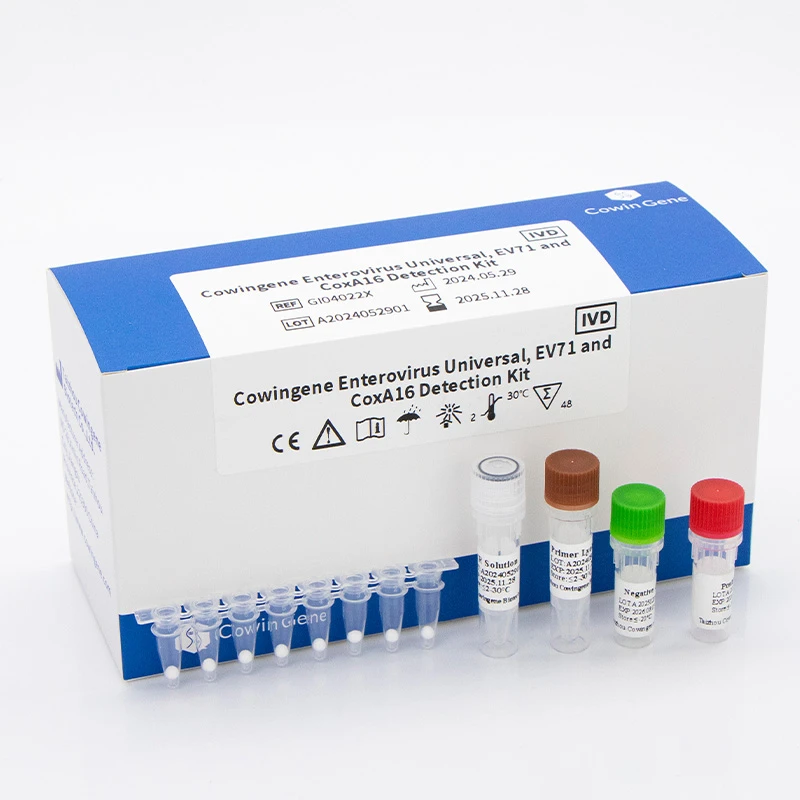
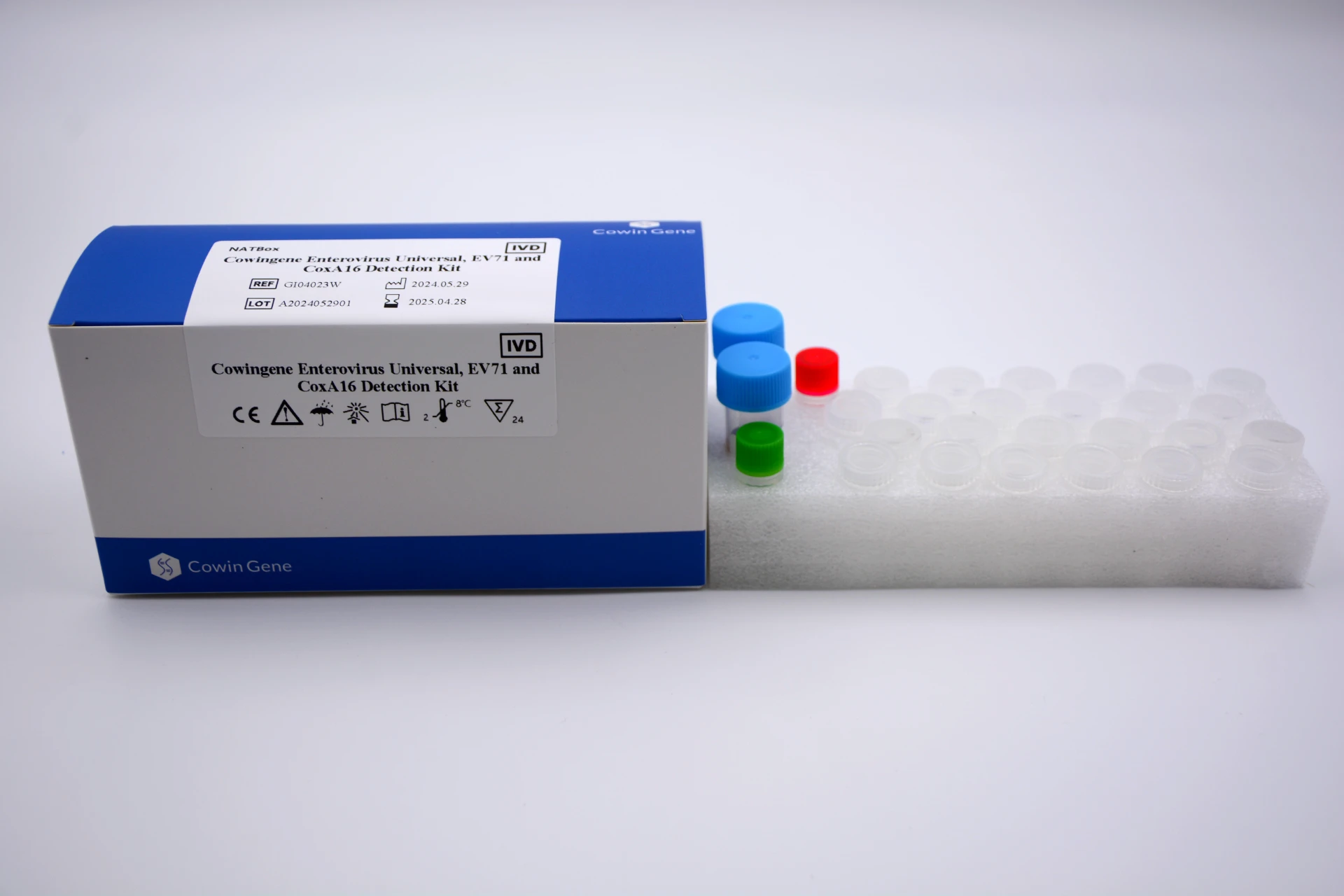
Enterovirus Rna PCR is a molecular testing technique designed to detect and amplify the RNA of enteroviruses – a group of viruses that includes polioviruses, coxsackieviruses, and echoviruses. For decision makers in the biotech and healthcare industries, investing in reliable Enterovirus Rna PCR assays is crucial for timely diagnostics, outbreak monitoring, and research initiatives.
At its core, this PCR (polymerase chain reaction) test targets specific RNA sequences of enteroviruses, converting them into DNA and amplifying them for clear detection. The technology requires primers and probes tailored for high specificity and sensitivity, ensuring few false positives or negatives. What's interesting is that Cowingene’s products prioritize optimized reagent stability and compatibility with various PCR platforms — which frankly can be a huge headache otherwise.
To give you an idea, here’s a simplified spec breakdown of their standard Enterovirus Rna PCR kit designed for professional labs:
| Spec | Details |
|---|---|
| Target Virus | Enterovirus species A-D |
| Sample Types | CSF, stool, throat swabs, environmental samples |
| Detection Limit | ~10 RNA copies/reaction |
| Turnaround Time | 2-3 hours (including extraction) |
| Platform Compatibility | ABI 7500, Roche LightCycler, Bio-Rad CFX |
Benefits & Use Cases of Enterovirus Rna Pcr
When you’re evaluating Enterovirus Rna PCR in practice, the benefits are not just hypothetical — they translate into real-world impact. It’s used broadly in public health labs for rapid detection during outbreaks, clinical settings for patient diagnosis, and even environmental monitoring, which feels especially relevant given recent waterborne viral concerns.
One of the standout advantages of Cowingene’s kits is their robustness. Users report consistent performance even with varied sample qualities, reducing the need for repeat testing and wasting precious lab time. The design includes controls that check for inhibitors, ensuring that a negative result truly means “no virus detected.” Such features, frankly, are not guaranteed from all vendors, so it really sets them apart.
Additionally, turnaround speed offers a competitive edge — in fields like epidemiology, time is money. Getting results within a few hours means faster responses and better containment efforts. You also gain a level of versatility: multiple sample types accepted; multiple machines supported; reagents optimized for storage stability — all of this adds up in demanding lab environments.
Vendor Comparison Table
| Feature | Cowingene | Competitor A | Competitor B |
|---|---|---|---|
| Sensitivity | ~10 copies/reaction | ~50 copies/reaction | ~20 copies/reaction |
| Sample Variety | CSF, stool, swabs, environment | CSF, stool only | CSF, swabs only |
| Turnaround Time | 2-3 hours | 4-5 hours | 3-4 hours |
| Platform Support | Wide (ABI, Roche, Bio-Rad) | Mostly ABI | Mostly Roche |
| Stability (storage) | 6 months at 4°C | 3 months | 4 months |
Cost, Maintenance & User Experience
On the cost front, Enterovirus Rna PCR kits can be seen as an investment rather than a simple expense. From my chats with lab managers, the total cost of ownership tends to balance with the product’s reliability and reduced need for retesting. When assays deliver consistent results, downtime is minimized, reducing indirect expenses.
Cowingene’s products rank highly in durability—kits packaged to resist temperature fluctuations and with quality controls embedded reduce the risk of spoiled reagents, which can be quite costly. In real terms, that means fewer interruptions and more confidence in data – something lab techs appreciate immensely.
User experience hints at simplicity, which might surprise some given the complexity of PCR technology. Clear instructions, good customer support, and integration with common PCR machines make the process less daunting. I’ve seen feedback from public health labs noting that Cowingene’s prompt technical assistance often helps resolve queries quickly, which frankly can be a life-saver when timelines are tight.
Sustainability & Market Trends
Sustainability in biotech diagnostics is slowly but surely emerging as a real focus. Reducing plastic waste, improving reagent shelf life, and optimizing supply chains are areas where leading companies like Cowingene are starting to push innovation. Oddly enough, while it’s not always front-of-mind for the buyers, greener lab solutions are gaining traction due to regulatory pressures and a more eco-conscious workforce.
Market trends show increasing use of Enterovirus Rna PCR in wastewater epidemiology—a relatively new, yet fast-expanding field used to track viruses in communities non-invasively. This expands the product’s relevance beyond clinics into environmental and governmental monitoring sectors, increasing demand steadily.
Regulations tightening around disease surveillance mean that the robustness and accuracy of molecular tests—like those offered by Cowingene—are more critical than ever. Forecasts suggest steady growth with a CAGR (Compound Annual Growth Rate) north of 6% through the next five years, driven by emerging virus monitoring, pandemic preparedness, and modernization of public health frameworks.
Frequently Asked Questions about Enterovirus Rna Pcr
- What is Enterovirus Rna Pcr and how does it work?
- Enterovirus Rna PCR is a molecular test that detects the RNA genetic material of enteroviruses by converting it into DNA and amplifying it. This allows for sensitive, rapid identification of virus presence in clinical or environmental samples.
- What are the main benefits of using Enterovirus Rna Pcr in industrial applications?
- Key benefits include high sensitivity and specificity, fast turnaround times, flexible sample acceptance, and reagent stability for consistent results – all crucial for diagnostic labs and monitoring agencies.
- How does Enterovirus Rna Pcr compare to traditional alternatives?
- Compared to older methods like viral culture or antigen detection, Enterovirus Rna PCR is quicker, more sensitive, and less prone to errors caused by sample degradation – providing faster and more reliable diagnostics.
- What industries can benefit most from Enterovirus Rna Pcr implementation?
- Public health institutions, clinical diagnostic labs, pharmaceutical research, and environmental monitoring agencies stand to gain most. Each relies on fast, accurate virus detection for patient care, outbreak response, or contamination tracking.
Conclusion on Enterovirus Rna Pcr from china
To sum it up, Enterovirus Rna PCR is an indispensable tool for modern molecular diagnostics and viral surveillance. Cowingene’s solutions combine sensitivity, versatility, and durability—qualities that decision makers will find valuable in an increasingly demanding marketplace. For organizations seeking both performance and reliability, their product offering is certainly worth considering.
- Recap the value of Enterovirus Rna Pcr.
- Visit our website: https://www.cowingene.com
Reflecting on the evolution of viral diagnostics, it feels like we are only scratching the surface of what rapid, reliable RNA detection methods can enable. With innovation steady and market needs urgent, keeping an eye on trusted suppliers is, I suppose, a wise move.
Related PRODUCTS
-
Comprehensive Stool GI Panel Analysis for Gut Health and Research Applications
NewsJan.27,2026 -
Understanding PCR DNA Stool Tests for Accurate Gastrointestinal Health Diagnostics
NewsJan.27,2026 -
PCR Diarrhea Panel: Fast, Accurate Gastrointestinal Pathogen Detection
NewsJan.06,2026 -
Comprehensive Guide to Diarrhea Pcr Panel for B2B Decision Makers | Cowingene
NewsJan.06,2026 -
Reliable Diarrhea PCR Kits for Fast Pathogen Detection | COWIN GENE
NewsJan.06,2026 -
Comprehensive Guide to Gi Pathogen Test Solutions for B2B Professionals
NewsJan.05,2026