
Jan . 30, 2026 14:50 Back to list
Comprehensive Review of Plasmodium Detection Methods for Effective Malaria Management
Plasmodium Detection: A Comprehensive Overview
The accurate and timely detection of Plasmodium, the parasite responsible for malaria, is crucial for effective disease management and control. Malaria continues to be a significant global health challenge, and rapid diagnostic testing plays a vital role in reducing morbidity and mortality. This article delves into the various methods used for plasmodium detection, focusing on their principles, advantages, and limitations. Understanding these techniques is essential for healthcare professionals, researchers, and anyone involved in malaria prevention efforts. Accurate diagnosis is the first step towards appropriate treatment and ultimately, eradicating this devastating disease.
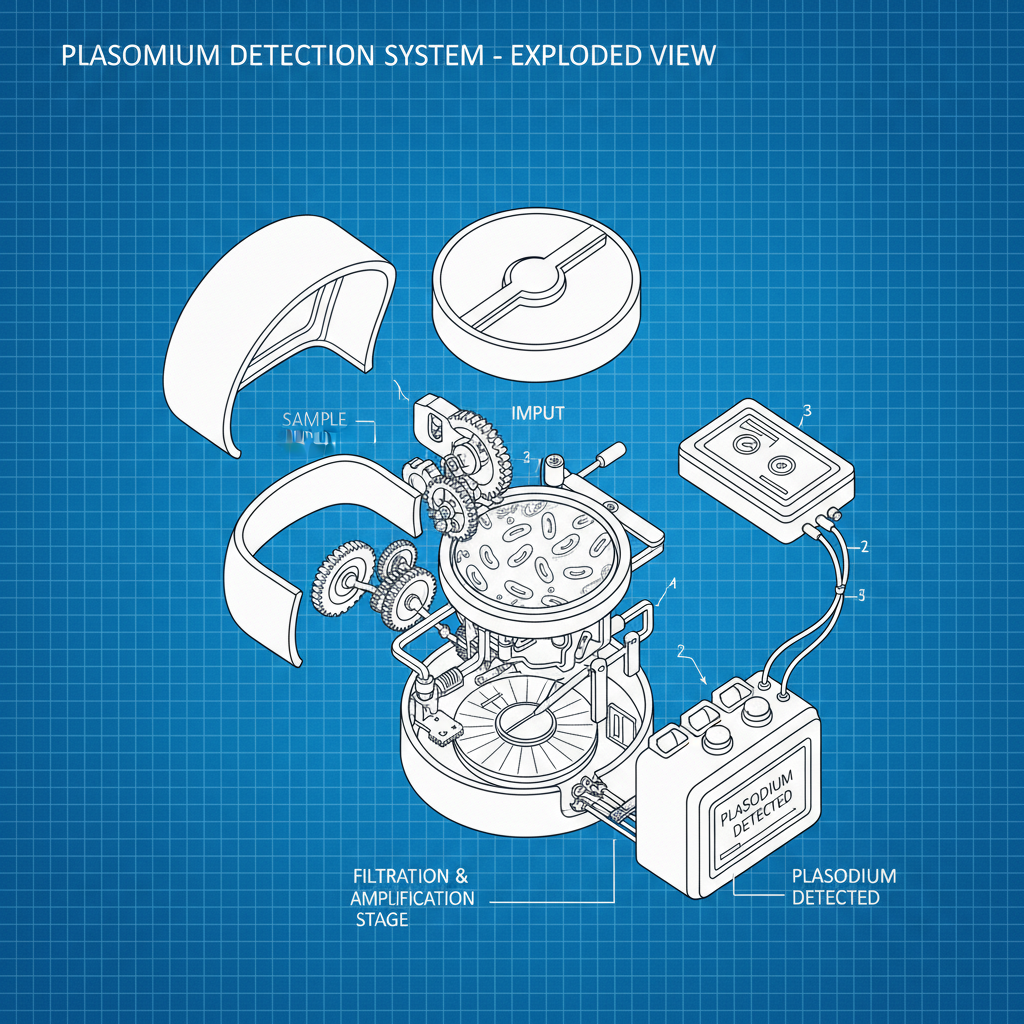
Traditional Microscopy: The Gold Standard
For decades, microscopic examination of Giemsa-stained blood smears has been the gold standard for plasmodium detection. This method relies on the identification of parasitic forms within red blood cells. While relatively inexpensive and readily available, microscopy is highly dependent on the skill and experience of the microscopist. Factors like parasite density, staining quality, and operator fatigue can significantly impact accuracy. Furthermore, distinguishing between different Plasmodium species can be challenging, especially for those less familiar with the subtle morphological differences. It’s important to remember that the sensitivity of microscopy is influenced by the parasitemia (parasite count in blood).
Key Highlights: Microscopy provides direct visualization of parasites but is subject to human error and requires trained personnel.
Rapid Diagnostic Tests (RDTs): A Point-of-Care Solution
Rapid Diagnostic Tests (RDTs) have revolutionized malaria diagnosis, particularly in resource-limited settings. These tests detect specific antigens released by Plasmodium parasites in the blood, offering results within 15-20 minutes. RDTs are easy to use, require minimal training, and do not necessitate a microscope or electricity. However, they are generally less sensitive than microscopy, particularly at low parasite densities. Furthermore, RDTs can be susceptible to false-positive results due to cross-reactivity with other antigens or antibodies. The performance of RDTs can also be affected by environmental factors such as heat and humidity.
RDT Benefits:
• Quick results at the point of care
• Easy to use and requires minimal training
• No specialized equipment needed
• Suitable for remote areas
Molecular Diagnostics: Enhanced Sensitivity and Specificity
Polymerase Chain Reaction (PCR)-based assays represent the most sensitive and specific methods for plasmodium detection. PCR amplifies parasite DNA, allowing for the detection of even extremely low parasite densities. Real-time PCR can also quantify parasite load, providing valuable information for monitoring treatment response and disease progression. While highly accurate, PCR requires specialized laboratory equipment, trained personnel, and is more expensive than microscopy or RDTs. It's therefore often used in research settings or for confirming diagnosis in complex cases. Multiplex PCR assays can simultaneously detect different Plasmodium species and identify drug resistance markers.
Emerging Technologies in Plasmodium Detection
Research is continuously exploring novel approaches to plasmodium detection. Loop-mediated isothermal amplification (LAMP) is gaining traction as a rapid and relatively simple alternative to PCR. Serological tests detecting antibodies against Plasmodium are also being developed for epidemiological surveillance and assessing exposure. Furthermore, innovative technologies like microfluidic devices and biosensors offer the potential for point-of-care testing with enhanced sensitivity and specificity. Cowin Gene is at the forefront of developing cutting-edge diagnostic solutions for infectious diseases, including malaria.

Choosing the Right Diagnostic Method
The optimal method for plasmodium detection depends on various factors, including the clinical setting, available resources, and the specific diagnostic needs. Microscopy remains a valuable tool where trained personnel and infrastructure are available. RDTs offer a convenient and affordable solution for point-of-care diagnosis in resource-limited settings. PCR provides the highest level of accuracy but requires specialized equipment and expertise. Ultimately, a combination of these methods may be necessary to achieve comprehensive malaria diagnosis and effective disease control.
Conclusion: Towards Improved Malaria Control
Accurate and timely plasmodium detection is fundamental to reducing the global burden of malaria. While traditional methods like microscopy remain important, advancements in RDTs and molecular diagnostics are providing increasingly sensitive and specific tools for disease management. Continued innovation and investment in diagnostic technologies are crucial for achieving malaria elimination goals.
Frequently Asked Questions (FAQs)
What is the difference between detecting Plasmodium antigens and antibodies?
Detecting Plasmodium antigens identifies the parasite itself, indicating an active infection. RDTs and PCR typically target antigens. Antibody detection, on the other hand, identifies the body's immune response to the parasite, indicating past or present exposure. Antibody tests are useful for epidemiological studies to assess malaria prevalence, but they cannot differentiate between current and past infections. A positive antibody result doesn't necessarily mean someone has active malaria.
What are the limitations of RDTs in diagnosing malaria?
RDTs can have lower sensitivity than microscopy or PCR, particularly at low parasite densities. This can lead to false-negative results, meaning someone with malaria may be missed. They can also be prone to false-positive results due to cross-reactivity with other antibodies or antigens. Environmental factors like heat and humidity can degrade the reagents and affect the test’s accuracy. It’s important to use RDTs in conjunction with clinical judgment and consider follow-up testing if suspicion of malaria remains.
How long does it take to get results from a PCR test for malaria?
The turnaround time for PCR results can vary depending on the laboratory and the type of PCR assay used. Conventional PCR may take several hours, while real-time PCR can provide results within 2-4 hours. Some rapid PCR platforms can deliver results even faster, within 30-60 minutes. However, sample preparation and processing can add to the overall time.
What is the role of Cowin Gene in improving malaria diagnosis?
Cowin Gene is committed to developing innovative diagnostic solutions for infectious diseases, including malaria. They focus on improving the sensitivity, specificity, and accessibility of diagnostic tests, contributing to better patient care and disease control. Their research and development efforts aim to address the challenges of malaria diagnosis in resource-limited settings and provide healthcare professionals with reliable tools for accurate and timely detection.
Related PRODUCTS
-
Precision Diagnostics for Viral Detection Using Cytomegalovirus PCR
NewsApr.16,2026 -
HPV 28 Genotyping Kit - Taizhou Cowingene Biotech Co., Ltd.|Precision & Reliability
NewsApr.14,2026 -
Advancements in PCR BK Virus Detection for Improved Patient Management
NewsApr.04,2026 -
Comprehensive Analysis of vzv PCR for Accurate Viral Detection and Diagnosis
NewsMar.31,2026 -
Comprehensive Analysis of vzv DNA PCR for Accurate Viral Detection and Diagnosis
NewsMar.28,2026 -
Comprehensive Guide to EBV DNA PCR Testing for Accurate Diagnosis and Management
NewsMar.26,2026