Stability testing of in vitro diagnostic reagents is a critical process in ensuring the reliability and accuracy of medical tests. These reagents, essential components in diagnosing diseases and monitoring health, are susceptible to degradation over time, impacting their performance. Robust stability testing protocols are therefore paramount for regulatory compliance, patient safety, and maintaining public trust in healthcare systems globally.
The increasing complexity of in vitro diagnostics (IVD), coupled with stringent regulatory requirements like those from the FDA and ISO 13485, has heightened the importance of comprehensive stability studies. Manufacturers must demonstrate that their reagents maintain their intended performance characteristics throughout their shelf life, under defined storage conditions. This process is not merely a regulatory hurdle but a fundamental aspect of quality control and product lifecycle management.
Ultimately, successful stability testing of in vitro diagnostic reagents translates to more accurate diagnoses, reduced healthcare costs associated with erroneous results, and improved patient outcomes. It’s a field continually evolving with advances in analytical technologies and a growing demand for personalized medicine, making ongoing investment in research and development essential.
Introduction to Stability Testing
The core principle of stability testing is to determine how the quality of an in vitro diagnostic reagent changes over time under the influence of various environmental factors, such as temperature, humidity, and light. This understanding allows manufacturers to assign appropriate expiration dates and storage conditions, ensuring the reagent delivers accurate results when used.
Effective stability testing of in vitro diagnostic reagents is not a one-time event but rather an ongoing process integrated throughout the product lifecycle, from initial development to post-market surveillance. It involves careful planning, meticulous execution, and rigorous data analysis.
Global Relevance and Challenges
The global market for in vitro diagnostics is substantial and growing, driven by an aging population, increasing prevalence of chronic diseases, and advancements in personalized medicine. According to a report by Grand View Research, the global IVD market was valued at USD 78.59 billion in 2022 and is expected to grow at a CAGR of 6.3% from 2023 to 2030. This growth underscores the critical need for reliable and accurate diagnostic tests, and therefore, robust stability testing.
A significant challenge in stability testing is the complexity of modern reagents, many of which contain biological components like enzymes and antibodies, making them inherently less stable. Variations in raw material sourcing, manufacturing processes, and storage conditions can also contribute to inconsistencies. Moreover, meeting the diverse regulatory requirements across different countries presents a logistical and financial burden for manufacturers.
Furthermore, the increasing demand for point-of-care diagnostics (POCT) introduces additional challenges related to maintaining reagent stability outside of controlled laboratory environments. These devices often encounter fluctuating temperatures and humidity levels, requiring specialized stability testing protocols.
Defining Stability Testing
Simply put, stability testing of in vitro diagnostic reagents is the process of evaluating how well a reagent maintains its performance characteristics over time. This includes assessing parameters such as reactivity, sensitivity, specificity, and accuracy. The goal is to determine the period during which the reagent remains fit for its intended purpose, under specified storage conditions.
The process is deeply intertwined with modern industry needs. Manufacturers rely on stability data to support product registrations with regulatory bodies like the FDA and EMA, ensuring market access. In humanitarian contexts, the availability of stable and reliable diagnostic reagents is crucial for disease surveillance and outbreak control, particularly in resource-limited settings where reagent replacement is difficult.
Unlike testing to simply confirm a reagent works initially, stability testing aims to demonstrate continued functionality over time. It proactively identifies potential degradation pathways and provides a scientifically sound basis for determining shelf life.
Key Factors in Stability Assessment
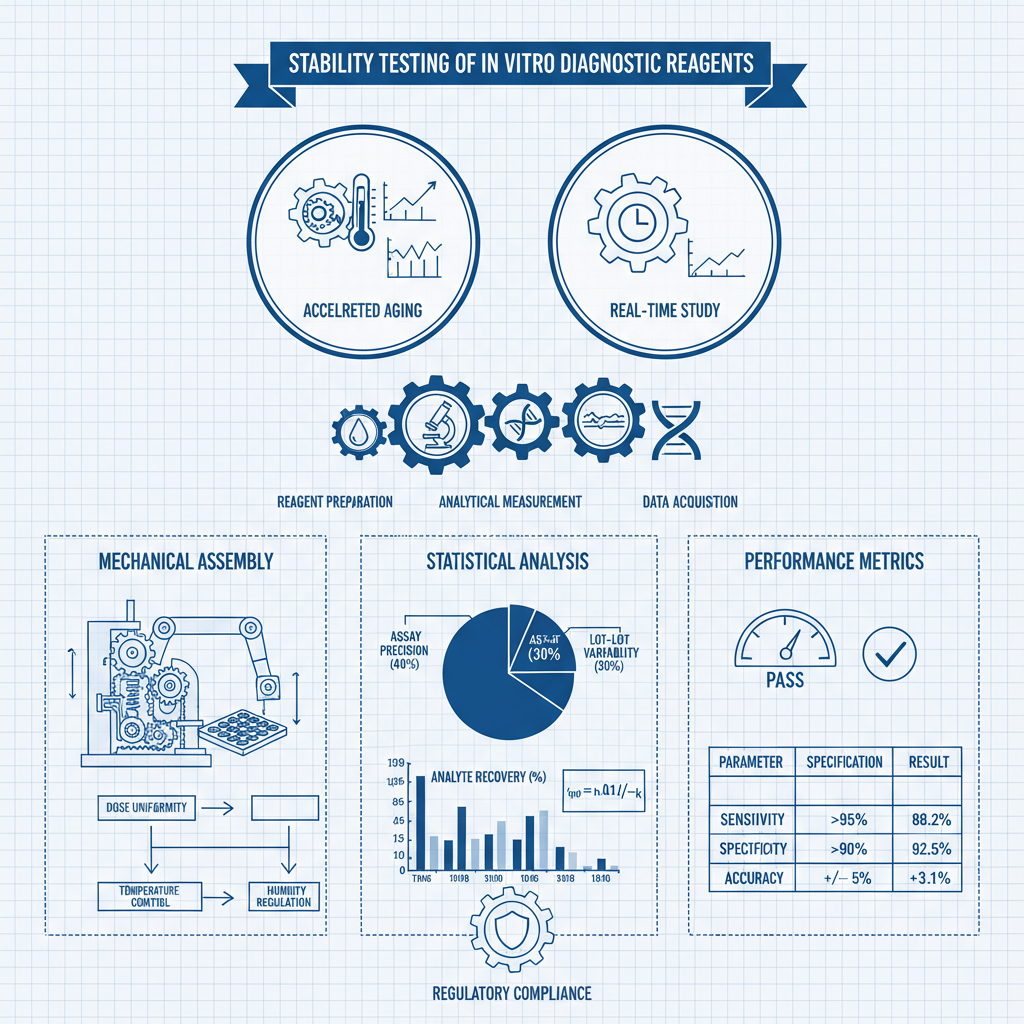
Several key factors underpin effective stability assessment. These include temperature control, humidity management, light exposure, and the selection of appropriate analytical methods. The International Council for Harmonisation (ICH) guidelines provide a framework for conducting stability studies, but these must be adapted to the specific characteristics of each reagent.
Here's a breakdown of crucial considerations:
Stability Testing Parameter Influence
Real-World Applications
Stability testing plays a vital role in a diverse range of applications. In clinical diagnostics, it ensures the reliability of tests used to diagnose diseases like HIV, hepatitis, and cancer. In food safety testing, stable reagents are critical for detecting contaminants and ensuring food quality.
In post-disaster relief operations, where maintaining a cold chain can be challenging, stability testing data is used to select reagents that can withstand higher temperatures for extended periods, enabling rapid disease surveillance and outbreak control. Similarly, in remote industrial zones lacking sophisticated laboratory infrastructure, the use of stable reagents is essential for environmental monitoring and worker health assessments.
Advantages and Long-Term Value
The advantages of rigorous stability testing of in vitro diagnostic reagents are multifaceted. From a cost perspective, it minimizes reagent wastage due to premature degradation, reducing expenses for healthcare facilities and laboratories. From a sustainability standpoint, it reduces the environmental impact associated with discarding expired or unusable reagents.
Beyond the tangible benefits, stability testing fosters trust in diagnostic results, bolstering patient confidence and empowering healthcare professionals to make informed decisions. It supports innovation by enabling the development of more sophisticated and sensitive reagents with extended shelf lives.
Future Trends & Innovations
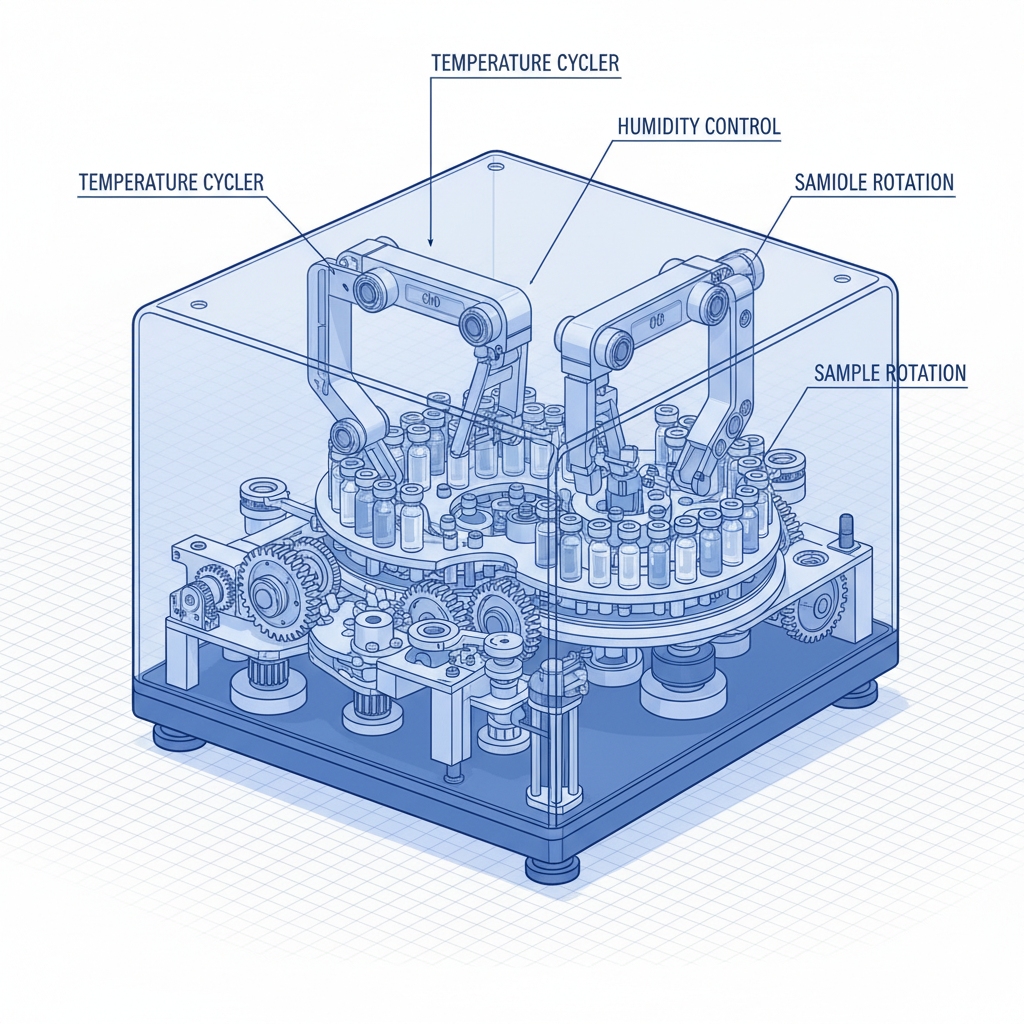
The future of stability testing is being shaped by several emerging trends. High-throughput screening technologies and automated stability chambers are increasing efficiency and reducing testing time. Advanced analytical techniques, such as mass spectrometry and real-time PCR, are providing more sensitive and comprehensive assessments of reagent degradation.
Furthermore, the integration of artificial intelligence (AI) and machine learning (ML) is enabling predictive modeling of reagent stability, allowing manufacturers to optimize formulations and storage conditions. A growing emphasis on green chemistry and sustainable packaging is driving the development of more environmentally friendly reagents and stability testing protocols.
Summary of Key Stability Testing Challenges and Mitigation Strategies
| Challenge |
Impact on stability testing of in vitro diagnostic reagents |
Mitigation Strategy |
Implementation Cost (1-10) |
| Complex Reagent Formulations |
Increased potential for multiple degradation pathways. |
Multi-factorial experimental design; comprehensive analytical testing. |
7 |
| Temperature Excursions |
Accelerated degradation and loss of potency. |
Validated cold chain management; real-time temperature monitoring. |
6 |
| Humidity Sensitivity |
Hydrolytic degradation of sensitive components. |
Desiccant packaging; humidity-controlled storage conditions. |
5 |
| Analytical Method Variability |
Inconsistent measurement of reagent performance. |
Method validation and standardization; proficiency testing. |
8 |
| Regulatory Compliance |
Varying requirements across different jurisdictions. |
Global regulatory strategy; documentation and traceability. |
9 |
| Long-Term Storage |
Detecting subtle degradation over extended periods. |
Accelerated aging studies; frequent monitoring of key parameters. |
7 |
FAQS
The core purpose is to demonstrate that the reagent maintains its intended performance characteristics – accuracy, precision, sensitivity, and specificity – throughout its assigned shelf life, under specified storage conditions. This ensures reliable and accurate test results, safeguarding patient care and regulatory compliance. It’s about confidence in the diagnostic process.
Stability testing isn't a one-time event. It’s conducted initially during product development and then periodically throughout the product lifecycle. Routine testing intervals depend on the reagent’s composition, intended use, and regulatory requirements. Accelerated stability studies can help predict long-term stability, while real-time studies confirm these predictions over the product’s intended shelf life.
Key parameters include reactivity, sensitivity, specificity, accuracy, precision, and appearance. Other important assessments may involve evaluating the reagent’s physical and chemical properties, such as pH, viscosity, and particle size. The specific parameters assessed will depend on the reagent’s intended use and the assay it’s used in.
Accelerated studies use elevated temperatures and humidity to simulate long-term aging in a shorter timeframe. They provide initial data for shelf-life predictions. Real-time studies store the reagent under its intended storage conditions and monitor its stability over its entire proposed shelf life. Real-time studies are crucial for confirming the predictions made by accelerated studies.
Regulatory bodies like the FDA and EMA require comprehensive stability data to demonstrate the safety and efficacy of in vitro diagnostic reagents. This data forms a crucial part of product submissions and ensures that the reagent meets established quality standards. Proper documentation and adherence to guidelines (like ICH) are essential for a successful regulatory review.
Packaging plays a vital role. It protects the reagent from environmental factors like light, moisture, and oxygen. Appropriate packaging materials, such as amber vials, desiccant pouches, and airtight containers, are selected based on the reagent’s sensitivity. The packaging itself is also subject to stability testing to ensure it remains intact and protective throughout the shelf life.
Conclusion
In conclusion, stability testing of in vitro diagnostic reagents is an indispensable process, foundational to ensuring the reliability, accuracy, and safety of medical diagnostics. It's a dynamic field influenced by evolving regulations, technological advancements, and an increasing demand for personalized medicine. Through meticulous planning, execution, and analysis, manufacturers can confidently demonstrate the integrity of their products, safeguarding patient health and fostering trust in the healthcare system.
Looking ahead, continued investment in innovative stability testing methodologies, such as AI-powered predictive modeling and high-throughput screening, will be critical. Furthermore, a proactive approach to regulatory compliance and a commitment to sustainable practices will be essential for navigating the challenges and opportunities in this rapidly evolving landscape. To learn more about our comprehensive stability testing services, visit our website: www.cowingene.com