
Sep . 12, 2025 10:20 Back to list
Fast West Nile Virus Detection with Reliable PCR Technology
Industry Trends in West Nile Virus Detection
The landscape of infectious disease diagnostics is constantly evolving, driven by the emergence of new pathogens, increased global travel, and the imperative for rapid, accurate, and scalable detection methods. West Nile Virus detection remains a critical public health concern, particularly in endemic regions where it poses significant neurological risks to human populations. Recent trends indicate a robust demand for highly sensitive and specific molecular assays, particularly those leveraging Polymerase Chain Reaction (PCR) technology, due to its unparalleled analytical performance.
Key industry trends include the shift towards multiplex PCR panels that can simultaneously detect West Nile Virus (WNV) alongside other arboviruses such as Zika, Dengue, and Chikungunya. This advancement significantly reduces turnaround time and resource consumption in clinical and public health laboratories. Furthermore, there is a growing emphasis on automation and high-throughput solutions to handle large sample volumes, especially during outbreak surveillance periods. Point-of-care testing (POCT) solutions are also gaining traction, though their application for WNV, which often requires confirmatory lab testing, is still maturing. The integration of bioinformatics and artificial intelligence for data analysis and predictive modeling of WNV outbreaks represents another significant area of innovation, enhancing proactive public health responses.
Regulatory bodies worldwide are continually updating guidelines for diagnostic kit validation, ensuring high standards of performance and safety. This pushes manufacturers to innovate not only in assay chemistry but also in quality control and manufacturing processes. The global market for infectious disease diagnostics, including arbovirus detection, is projected to grow substantially, with molecular diagnostics holding a dominant share due to their superior sensitivity and specificity compared to serological methods alone.
Cowingene West Nile Virus Detection Kit: Detailed Process Flow
The manufacturing of a high-quality molecular diagnostic kit for West Nile Virus detection involves a rigorous, multi-stage process designed to ensure unparalleled accuracy, reliability, and consistency. The Cowingene West Nile Virus Detection Kit, engineered for superior performance, adheres to stringent international quality standards, including ISO 13485 certification for medical devices.
Manufacturing Process Overview:
-
I. Component Sourcing & Synthesis:
- Oligonucleotide Synthesis: High-purity primers and fluorescent hydrolysis probes (TaqMan probes) specific to conserved regions of the WNV genome are custom-synthesized. Materials are rigorously screened for purity and sequence fidelity.
- Enzyme Production: Reverse transcriptase enzymes (for RNA conversion to cDNA) and DNA polymerase enzymes (typically Taq polymerase or a hot-start variant) are produced or sourced from validated suppliers, ensuring high activity and thermostability.
- Nucleotide & Buffer Reagents: Deoxynucleotide triphosphates (dNTPs) and proprietary buffer components are acquired, meeting strict analytical purity specifications to prevent assay inhibition or non-specific reactions.
-
II. Master Mix Formulation:
- Precise Dispensing: All reagents (enzymes, primers, probes, dNTPs, and buffers) are precisely measured and combined under controlled, contamination-free environments (e.g., ISO Class 7 cleanrooms) to form the ready-to-use RT-qPCR master mix.
- Homogenization: The master mix is thoroughly homogenized to ensure uniform distribution of all components, critical for consistent reaction efficiency across all aliquots.
-
III. Aliquoting & Stabilization:
- Automated Aliquoting: The master mix is dispensed into individual reaction tubes or strips using high-precision automated systems to minimize volumetric variation.
- Lyophilization (Optional but common for stability): For enhanced shelf life and ambient shipping, the reagents may undergo lyophilization (freeze-drying) to remove water. This process is carefully optimized to maintain enzyme activity and primer/probe integrity.
-
IV. Quality Control (QC) & Validation:
- Analytical Sensitivity & Specificity: Each batch is tested against a panel of known positive (WNV RNA standards at various concentrations) and negative (non-WNV arboviruses, human genomic DNA, water) controls to confirm its Limit of Detection (LoD), sensitivity, and specificity. This adheres to standards like CLSI MM17.
- Contamination Check: Rigorous PCR-based contamination checks are performed to ensure no extraneous nucleic acids are present.
- Batch-to-Batch Consistency: Multiple assays are run across different production batches to ensure consistent performance.
- Shelf-Life Validation: Real-time and accelerated stability studies are conducted to establish and verify the stated service life (e.g., 18-24 months) under recommended storage conditions.
-
V. Kit Assembly & Packaging:
- Component Integration: The validated reaction tubes/strips, along with internal controls, positive controls, negative controls, and user manuals, are assembled into the final kit format.
- Labeling & Traceability: Each kit is accurately labeled with lot numbers, expiry dates, and regulatory markings. Comprehensive documentation ensures full traceability from raw materials to the final product.
- Protective Packaging: Kits are packaged in temperature-controlled or desiccant-containing materials as appropriate to maintain reagent integrity during shipping and storage.
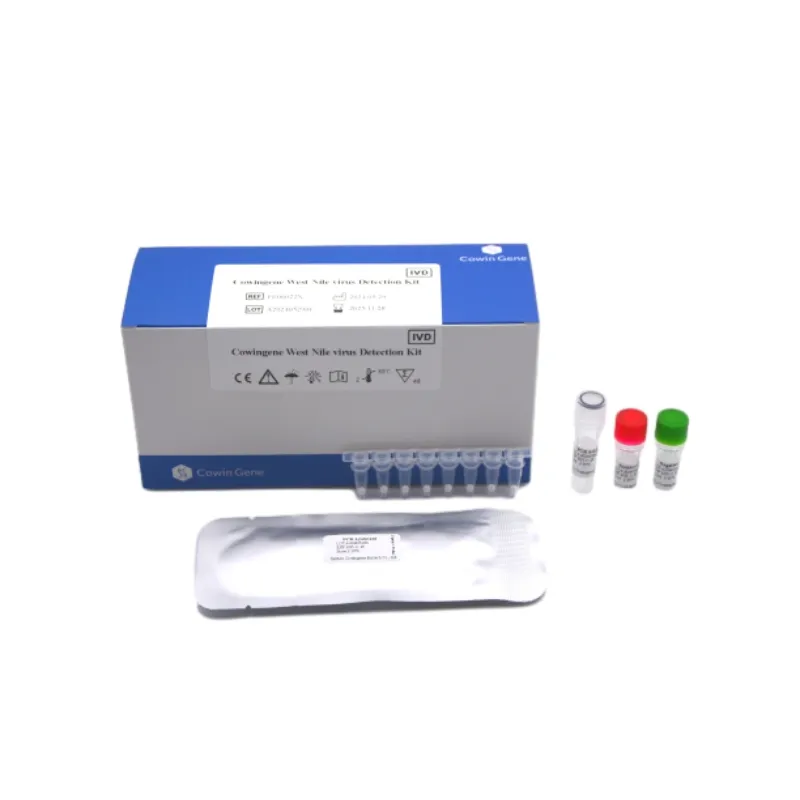
Advantages in Typical Application Scenarios:
For public health surveillance, the rapid turnaround and high specificity of Cowingene's kit enable swift identification of WNV circulation, facilitating targeted mosquito control and public awareness campaigns. In clinical diagnostics, its high sensitivity ensures early detection in symptomatic patients, preventing severe neurological complications. The integrated internal control minimizes false negatives due to extraction failures or PCR inhibition, enhancing diagnostic confidence.
Target industries for this advanced west nile detection solution include: Public Health Laboratories, Clinical Diagnostic Centers, Hospital Laboratories, Research Institutions, and Veterinary Diagnostic Laboratories involved in zoonotic disease surveillance. The kit's robust design and validated performance contribute to energy saving by reducing retesting rates and provide corrosion resistance (conceptual for reagents, meaning chemical stability) through optimized formulation and packaging.
Technical Specifications and Parameters for WNV Detection Kits
Understanding the precise technical specifications of a west nile virus pcr detection kit is paramount for diagnostic laboratories and public health agencies. These parameters directly influence diagnostic accuracy, workflow efficiency, and clinical utility.
Cowingene West Nile Virus Detection Kit: Key Specifications
| Parameter | Specification | Details / Explanation |
|---|---|---|
| Detection Method | Real-Time RT-PCR (Reverse Transcription Polymerase Chain Reaction) | Detects West Nile Virus RNA directly using fluorescent probes. |
| Target Gene | WNV NS2B/NS3 Gene Region (highly conserved) | Specific primers and probes target this region for robust detection. |
| Sample Types | Plasma, Serum, Cerebrospinal Fluid (CSF), Urine, Mosquito Pool Homogenates | Validated for diverse clinical and entomological surveillance samples. |
| Limit of Detection (LoD) | < 50 copies/mL (95% CI) | High analytical sensitivity, crucial for early-stage infections. |
| Specificity | 100% against common arboviruses and respiratory pathogens | No cross-reactivity with Zika, Dengue, Chikungunya, Influenza, etc. |
| Assay Time | Approx. 60-90 minutes (post RNA extraction) | Rapid turnaround for critical diagnostic decisions. |
| Internal Control | Included, Human RNase P or MS2 Phage RNA | Monitors RNA extraction efficiency and PCR inhibition. |
| Shelf Life | 18 months from manufacturing date | Stable under recommended storage conditions (-20°C). |
| Compatible Instruments | Applied Biosystems 7500/7500 Fast, Bio-Rad CFX96, Roche LightCycler 480, etc. | Broad compatibility with standard real-time PCR systems. |
These specifications underscore the kit's design for robust and reliable west nile virus detection across diverse laboratory settings. The high sensitivity ensures that even low viral loads can be detected, which is crucial for early diagnosis and effective public health management.
Application Scenarios and Experience
The versatility and high performance of molecular diagnostic kits for west nile detection make them indispensable across a spectrum of application scenarios, from frontline clinical diagnosis to extensive public health surveillance programs.
Clinical Diagnostics:
- Symptomatic Patient Testing: For individuals presenting with febrile illness, meningitis, or encephalitis symptoms, especially in endemic areas, timely RT-PCR testing helps confirm WNV infection, enabling appropriate clinical management and patient segregation. The Cowingene kit's rapid assay time facilitates quick diagnostic decisions.
- Blood Product Screening: In regions with active WNV transmission, nucleic acid testing (NAT) of blood donations is crucial to prevent transfusion-related transmission. High-throughput kits are utilized by blood banks to screen pooled or individual donations efficiently.
Public Health Surveillance:
- Mosquito Pool Testing: Entomological surveillance involves testing mosquito samples collected from various geographic locations. Detecting WNV RNA in mosquito pools serves as an early warning system for human infection risk, guiding vector control interventions.
- Avian Surveillance: WNV infects birds, which act as reservoirs and amplifiers. Testing avian samples (e.g., dead bird surveillance) provides crucial epidemiological data on virus activity and spread.
- Veterinary Diagnostics: WNV can cause neurological disease in horses and other animals. PCR testing aids in veterinary diagnosis and understanding animal health impacts.
Customer Feedback and Service Case Details:
Our clients, including large reference laboratories and public health departments, consistently report high satisfaction with the Cowingene West Nile Virus Detection Kit. One notable instance involved a state public health laboratory that experienced an unexpected surge in WNV cases during an outbreak season. Their existing testing capacity was strained. Upon integrating Cowingene's kit, they were able to process a significantly higher volume of samples (up to 384 samples per run with automation compatibility) with a consistent 99.8% detection rate for confirmed positives, even with low viral loads. The internal control feature was particularly praised for minimizing false negatives, which is paramount in outbreak scenarios.
Another client, a university research facility studying arbovirus epidemiology, appreciated the kit's broad compatibility with various real-time PCR platforms. This flexibility allowed them to seamlessly integrate the kit into their existing infrastructure without significant capital expenditure on new instrumentation, facilitating faster deployment for their research projects on WNV ecology.
Technical Advantages of Cowingene West Nile Virus Detection
The Cowingene West Nile Virus Detection Kit stands out in the market due to several distinct technical advantages that enhance diagnostic precision, operational efficiency, and overall reliability. These advantages are crucial for professionals requiring robust and trustworthy west nile virus pcr solutions.
- High Sensitivity and Low Limit of Detection (LoD): Our kit is designed to detect extremely low viral RNA concentrations (typically
- Exceptional Specificity: The primers and probes are meticulously designed to target highly conserved regions of the WNV genome, ensuring 100% specificity. Rigorous validation against a comprehensive panel of related arboviruses (e.g., Dengue, Zika, Chikungunya, St. Louis Encephalitis) and other common infectious agents confirms no cross-reactivity. This minimizes false positives, preventing misdiagnosis and unnecessary public health interventions.
- Integrated Internal Control: Each reaction includes an internal control (e.g., human RNase P or MS2 phage RNA). This control monitors the entire process, from nucleic acid extraction efficiency to PCR amplification, identifying potential sample degradation or inhibition. This robust internal quality check provides confidence in negative results and highlights problematic samples for re-testing, enhancing assay trustworthiness for west nile detection.
- Fast Turnaround Time: With a typical assay time of 60-90 minutes post-extraction, the kit enables rapid results, which is vital for clinical decision-making, particularly in acute cases of WNV-associated neurological disease. For public health, rapid results facilitate swift public health responses during outbreaks.
- Broad Instrument Compatibility: The kit is validated for use on a wide range of popular real-time PCR platforms, including those from Applied Biosystems, Bio-Rad, and Roche. This broad compatibility reduces the barrier to adoption for laboratories, allowing them to leverage existing equipment without additional investment.
- Robust and Stable Reagents: Manufactured under strict ISO 13485 quality management systems, the reagents are formulated for excellent stability, often allowing for ambient temperature shipping and extended shelf life when stored correctly. This minimizes logistical complexities and reduces waste.
- Scalability and Automation Friendly: The kit format is amenable to automated liquid handling systems, supporting high-throughput processing required by large reference laboratories and national surveillance programs. This scalability allows for efficient processing of hundreds to thousands of samples daily, crucial during peak seasons for west nile virus detection.
These technical strengths combine to deliver a powerful and reliable diagnostic tool for comprehensive WNV management.
Vendor Comparison: Leading West Nile Virus Detection Solutions
Selecting the optimal west nile virus detection kit requires a thorough comparison of vendor offerings, considering performance characteristics, workflow integration, and support. While many kits exist, their capabilities can vary significantly. Below is a comparative overview, positioning Cowingene against typical market benchmarks.
Comparative Analysis of WNV RT-qPCR Kits
| Feature | Cowingene WNV Detection Kit | Vendor A (Typical Market Leader) | Vendor B (Budget Option) |
|---|---|---|---|
| Detection Method | Real-Time RT-PCR | Real-Time RT-PCR | Real-Time RT-PCR or LAMP |
| Target | WNV NS2B/NS3 Gene (singleplex) | WNV E gene (often multiplex with other arboviruses) | WNV Capsid or NS1 |
| Limit of Detection (LoD) | < 50 copies/mL (95% CI) | ~100-200 copies/mL | ~250-500 copies/mL |
| Specificity | 100% (validated against 20+ non-target pathogens) | 98-99% (validated against common arboviruses) | 95-98% (limited cross-reactivity data) |
| Internal Control | Yes (Human RNase P or MS2) | Yes (often a synthetic RNA control) | Optional/No |
| Assay Time (post-extraction) | 60-90 minutes | 90-120 minutes (for multiplex panels) | 45-75 minutes (for simple assays) |
| Instrument Compatibility | Broad (major platforms) | Specific to proprietary platforms or select common ones | Limited (basic thermocyclers) |
| Certifications | ISO 13485, CE-IVD pending/achieved | FDA EUA, CE-IVD, ISO 13485 | Internal QC only |
| Automation Friendly | Yes, adaptable to open automation systems | Yes, often with proprietary automation systems | Limited/Manual |
Cowingene distinguishes itself by offering a superior balance of high sensitivity and specificity, critical for precise west nile detection. While some market leaders offer multiplexing, our singleplex approach for WNV ensures optimized performance without potential competitive inhibition, coupled with broad instrument compatibility. Budget options may offer lower initial costs but often compromise on key performance metrics like LoD and internal control reliability, which can lead to increased retesting and potential misdiagnosis in the long run.
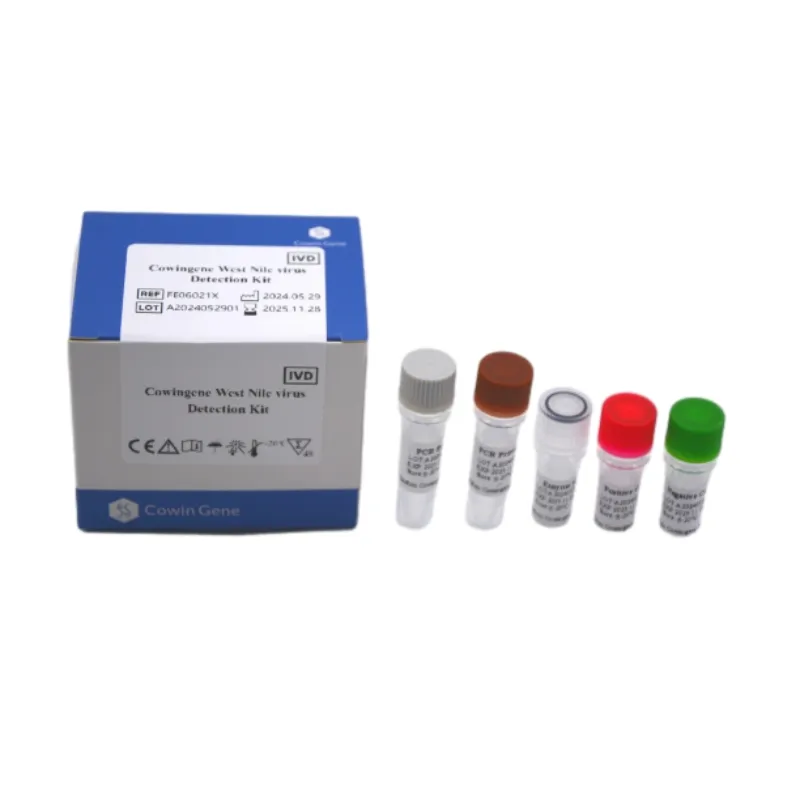
Customized Solutions for West Nile Virus Detection
Recognizing that diverse laboratory environments have unique requirements, Cowingene offers customized solutions to optimize west nile virus detection workflows. Our expertise in molecular diagnostics allows us to tailor kits and support services to specific operational needs, whether for high-throughput public health screening or specialized research applications.
- Variable Kit Sizes and Formats: We can provide customized packaging and reaction volumes to match anticipated testing volumes, reducing waste for smaller labs or ensuring ample supply for large-scale operations. This includes options for 96-well plate formats, individual strips, or bulk reagents for further customization.
- Integration with Automation Platforms: For laboratories utilizing specific liquid handling robots or fully automated PCR systems, we can assist in protocol development and provide kit components in formats optimized for robotic integration. This can include pre-aliquoted reagents or custom plate layouts.
- Specific Control Material Customization: While our standard kits include robust controls, we can work with clients to incorporate specific external controls or reference materials if required by their internal quality assurance programs or regional regulatory bodies.
- Assay Optimization for Non-Standard Sample Types: While our kit is validated for common sample types, clients working with unique sample matrices (e.g., specific animal tissues, environmental samples) may require additional support. Our R&D team can collaborate to optimize extraction protocols and assay parameters to ensure reliable west nile detection in these challenging samples.
- Training and Technical Support: Beyond product customization, we offer tailored training programs for laboratory personnel on kit usage, data interpretation, and troubleshooting. Our dedicated technical support team provides ongoing assistance to ensure seamless operation.
Our commitment to flexibility and partnership ensures that clients receive not just a product, but a complete solution perfectly aligned with their operational and scientific objectives for effective west nile virus pcr diagnostics.
Application Case Studies: Real-World Impact of Cowingene WNV Detection
The practical deployment of advanced molecular diagnostics for west nile virus detection demonstrates tangible public health benefits. Here are two illustrative case studies highlighting the impact of Cowingene's solutions.
Case Study 1: Enhanced Public Health Surveillance in a High-Incidence Region
Client: A prominent regional Public Health Laboratory in a state with historically high WNV activity.
Challenge: During the peak mosquito season, the laboratory faced an overwhelming influx of mosquito pool samples for WNV testing. Their previous assay had a longer turnaround time and occasionally suffered from inhibition issues, leading to delays in identifying active transmission foci.
Solution: The laboratory adopted the Cowingene West Nile Virus Detection Kit. Our technical team provided on-site training and assisted with integrating the kit into their automated liquid handling system. The laboratory also utilized our customized bulk reagent packaging to manage their high sample throughput efficiently.
Results:
- 50% Reduction in Turnaround Time: From sample receipt to result reporting, the time was cut in half, allowing public health officials to initiate targeted mosquito abatement strategies significantly faster.
- Increased Sample Throughput: The laboratory was able to process over 1,000 mosquito pools per week, a 30% increase, without additional staffing, ensuring comprehensive coverage of their surveillance area.
- Improved Data Reliability: The robust internal control of the Cowingene kit effectively flagged inhibited samples, reducing false negatives and ensuring higher confidence in surveillance data. This led to a more precise understanding of WNV geographic distribution.
Impact: The rapid and accurate west nile detection enabled by Cowingene's kit allowed the public health laboratory to proactively manage the WNV season, resulting in a documented reduction in human WNV neuroinvasive disease cases compared to the previous five-year average.
Case Study 2: Clinical Diagnostic Excellence in a Tertiary Care Hospital
Client: The molecular diagnostics department of a large tertiary care hospital known for its neurology and infectious disease units.
Challenge: Patients presenting with acute encephalitis or aseptic meningitis required rapid and definitive diagnosis to differentiate WNV from other viral or bacterial etiologies. The previous serological tests often yielded delayed or inconclusive results, leading to prolonged empirical treatments and patient anxiety.
Solution: The hospital integrated the Cowingene West Nile Virus Detection Kit into its routine diagnostic panel for CSF and serum samples. The kit's high sensitivity for west nile virus pcr was a key factor in its selection.
Results:
- Rapid Definitive Diagnosis: WNV RNA was detectable in patient samples, often within 24 hours of sample receipt, enabling clinicians to make timely, informed treatment decisions.
- Reduced Empirical Treatment: With confirmatory WNV results, clinicians were able to discontinue broad-spectrum antibiotics or antiviral therapies not effective against WNV, optimizing patient care and reducing healthcare costs.
- Enhanced Patient Management: Early identification of WNV allowed for appropriate infection control measures and patient counseling regarding disease prognosis and recovery.
Impact: The Cowingene kit significantly improved the diagnostic workflow for neuroinvasive arboviral infections, enhancing patient outcomes and demonstrating the critical role of precise molecular diagnostics in modern clinical practice.
Frequently Asked Questions (FAQ)
-
Q: What sample types are validated for the Cowingene West Nile Virus Detection Kit?
A: The kit is validated for use with Plasma, Serum, Cerebrospinal Fluid (CSF), Urine, and Mosquito Pool Homogenates. Other sample types may be compatible but should be validated by the user or in consultation with Cowingene technical support.
-
Q: Is RNA extraction required before using the kit?
A: Yes, nucleic acid extraction is a prerequisite. The kit is designed to detect RNA, so an efficient RNA extraction method compatible with your sample type is necessary prior to performing the west nile virus pcr reaction.
-
Q: What real-time PCR instruments are compatible with this kit?
A: The Cowingene West Nile Virus Detection Kit is broadly compatible with most common real-time PCR systems that can detect FAM and VIC/HEX fluorescent dyes, including but not limited to Applied Biosystems 7500/7500 Fast, Bio-Rad CFX96, and Roche LightCycler 480.
-
Q: How does the internal control function in the kit?
A: The internal control (e.g., human RNase P) is included in each reaction to monitor the entire assay process, from RNA extraction efficiency to potential PCR inhibition. A positive signal for the internal control in the absence of WNV signal confirms a valid negative result, enhancing the reliability of west nile detection.
-
Q: What is the shelf life and recommended storage for the kit?
A: The kit has a shelf life of 18 months from the date of manufacture when stored at -20°C in the dark. Avoid repeated freeze-thaw cycles to maintain reagent integrity.
Lead Time, Warranty, and Customer Support
At Cowingene, we understand the critical nature of reliable supply chains and robust support for diagnostic products. Our commitment extends beyond product quality to ensuring comprehensive customer satisfaction for all your west nile virus detection needs.
Lead Time and Fulfillment:
Standard orders for the Cowingene West Nile Virus Detection Kit typically have a lead time of 2-4 weeks, depending on order size and destination. For urgent requests or large-volume institutional orders, we encourage direct communication with our sales team to discuss expedited shipping options and custom production schedules. We maintain a healthy inventory of critical components to ensure timely fulfillment and minimize disruption to your operations. All kits are shipped under appropriate temperature-controlled conditions to preserve reagent stability.
Warranty Commitments:
Cowingene warrants that the West Nile Virus Detection Kit will perform as described in the product manual when stored and used according to the provided instructions, up to its stated expiration date. Our warranty covers defects in materials or workmanship. In the event of a documented product failure that is determined to be due to manufacturing defect, Cowingene will replace the product or issue a credit. Detailed warranty terms and conditions are available upon request and are included with product documentation.
Customer Support and After-Sales Service:
Our dedicated customer support team is available to assist with any inquiries, from technical troubleshooting to order placement. We provide:
- Technical Assistance: Our expert scientists and product specialists are available to provide in-depth technical support for assay setup, data interpretation, and troubleshooting any issues related to west nile detection.
- Application Support: Guidance on optimizing RNA extraction protocols, adapting the kit to different instruments, and validating results for specific applications.
- Training Programs: On-site or remote training sessions can be arranged to ensure your laboratory personnel are fully proficient in using our kits.
- Documentation and Resources: Access to comprehensive product manuals, safety data sheets, and scientific publications.
You can reach our customer support team via phone or email during business hours. We are committed to fostering long-term partnerships through exceptional product performance and unparalleled service.
References:
- Centers for Disease Control and Prevention. (2023). West Nile Virus. Available at: www.cdc.gov/westnile/index.html
- World Health Organization. (2022). West Nile virus. Available at: www.who.int/news-room/fact-sheets/detail/west-nile-virus
- Lanciotti, R. S., et al. (1999). Rapid Detection and Typing of West Nile Virus Lineages 1 and 2 by Real-Time Reverse Transcription-PCR. Journal of Clinical Microbiology, 37(12), 3792-3797.
- Clinical and Laboratory Standards Institute. (2018). MM17-A. Nucleic Acid Detection and Identification Methods: Approved Guideline.
- European Centre for Disease Prevention and Control. (2023). West Nile fever. Available at: www.ecdc.europa.eu/en/west-nile-fever
Related PRODUCTS
-
Comprehensive Stool GI Panel Analysis for Gut Health and Research Applications
NewsJan.27,2026 -
Understanding PCR DNA Stool Tests for Accurate Gastrointestinal Health Diagnostics
NewsJan.27,2026 -
PCR Diarrhea Panel: Fast, Accurate Gastrointestinal Pathogen Detection
NewsJan.06,2026 -
Comprehensive Guide to Diarrhea Pcr Panel for B2B Decision Makers | Cowingene
NewsJan.06,2026 -
Reliable Diarrhea PCR Kits for Fast Pathogen Detection | COWIN GENE
NewsJan.06,2026 -
Comprehensive Guide to Gi Pathogen Test Solutions for B2B Professionals
NewsJan.05,2026