
Jan . 04, 2026 09:55 Back to list
Reliable Enterovirus PCR Kits for Rapid Viral Detection | CoWin Gene
Enterovirus PCR: A Reliable Tool in Viral Detection
Having spent more than a decade working around industrial diagnostic equipment, I’ve observed how molecular testing methods—PCR, in particular—have revolutionized viral detection. Among them, enterovirus PCR assays stand out for their speed and sensitivity. It’s a method that isn’t just a lab fad; it’s become an indispensable standard in many hospital and research settings.
Enteroviruses themselves are a large group of RNA viruses that cause a range of illnesses from the common cold to more severe conditions like meningitis or myocarditis. The challenge is that their symptoms can overlap significantly with other pathogens, so traditional testing methods often fall short. That’s where PCR (polymerase chain reaction) tests come in handy. They amplify viral genetic material, enabling detection even in low viral load samples. Frankly, it feels like having night vision goggles in a pitch-dark room.
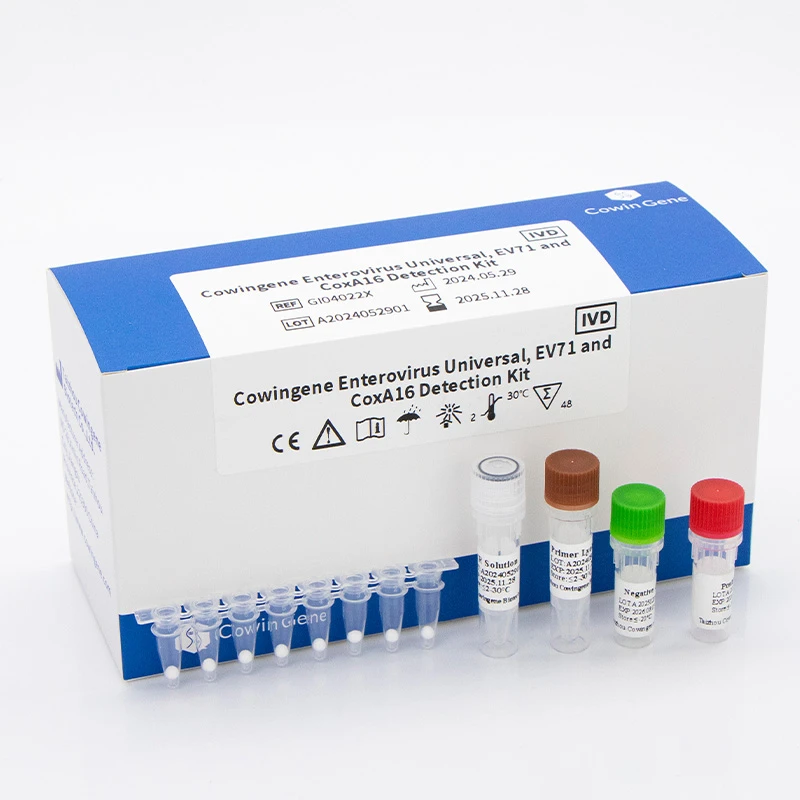
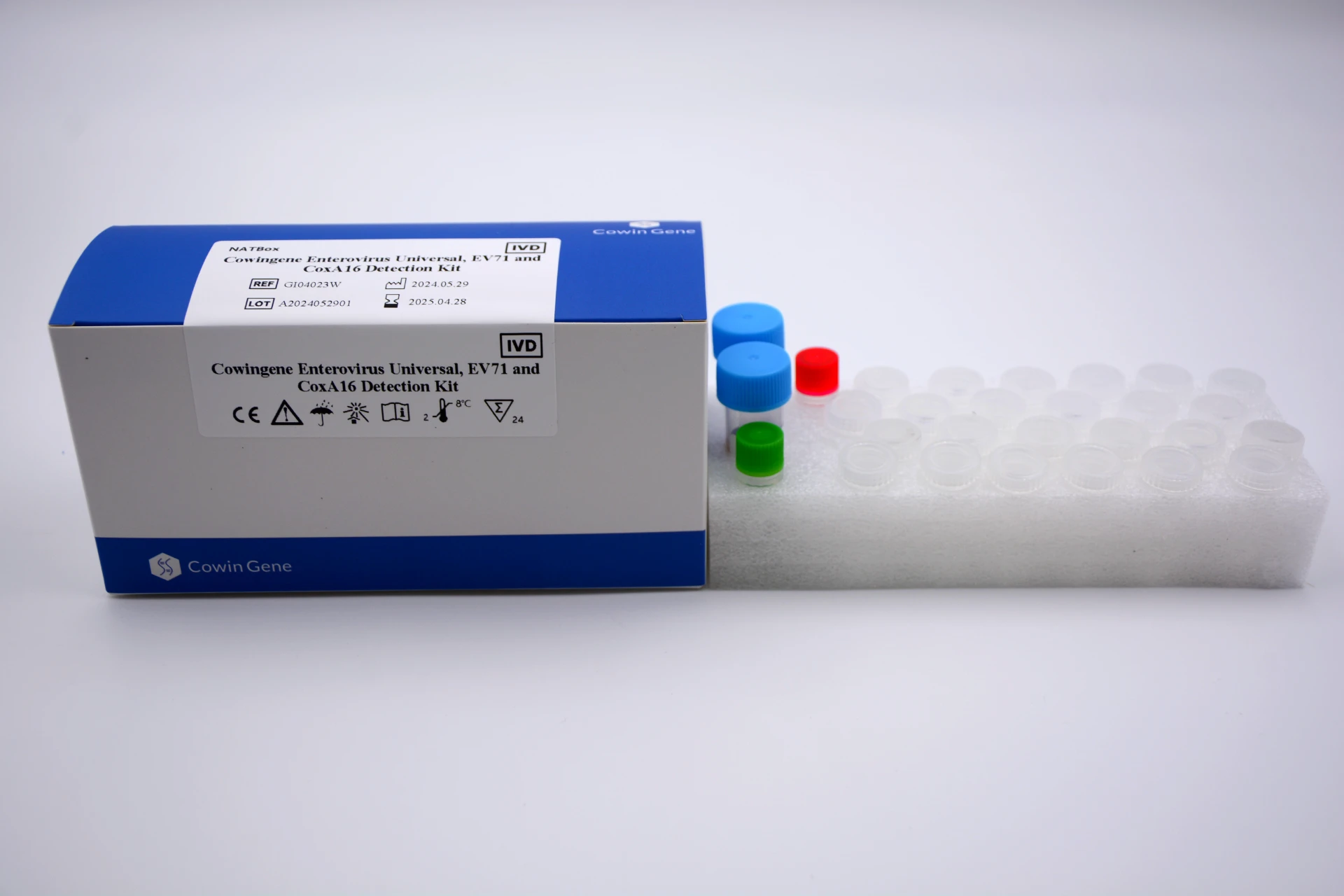
Now, about the product side – companies like CoWin Gene really embraced this to deliver kits tailored for enterovirus PCR. Their solutions reflect years of feedback from people who use these kits daily in clinical and industrial labs alike.
Product Specifications Snapshot
| Feature | Specification |
|---|---|
| Target Virus | Enterovirus species A-D |
| Sample Type | CSF, stool, throat swab, serum |
| Assay Time | ~2.5 hours (extraction + amplification) |
| Sensitivity | ~100 copies/mL |
| Detection Method | Real-time PCR with TaqMan probes |
| Storage | Kit components stable at -20°C up to 1 year |
One thing I often point out to colleagues is the nuance in sample type selection for enterovirus PCR. Traditionally, CSF or stool samples are preferred because they generally harbor higher viral loads, but testing throat swabs or serum can be critical depending on the clinical scenario. The product design generally anticipates this diversity, which I appreciate.
Oddly enough, I remember a consultancy project some years ago where an outbreak of aseptic meningitis baffled local clinics. The rapid turnaround — less than three hours from sample to result — a PCR test gave clinicians the confidence to tailor treatment, vastly improving patient outcomes. That experience impressed on me just how these kits can make a tangible difference beyond the industrial lab bench.
Vendor Comparison for Enterovirus PCR Kits
| Vendor | Sensitivity | Turnaround Time | Sample Types | Price (per test) |
|---|---|---|---|---|
| CoWin Gene | ~100 copies/mL | ~2.5 hours | CSF, stool, swab, serum | Mid-range |
| Vendor X | ~150 copies/mL | ~3 hours | CSF, stool only | Lower |
| Vendor Y | ~80 copies/mL | ~4 hours | Swab, serum | Higher |
When advising clients on enterovirus PCR solutions, price isn't everything. Often, mid-tier priced kits with broader sample compatibility and faster turnaround win out. Plus, you have to consider ease of use and reagent stability — which, frankly, can save a lot of headaches when your lab runs dozens of tests daily.
I also like how manufacturers increasingly offer customization options, like multiplex panels that combine enterovirus with other respiratory pathogens. It’s a small but useful trend that adds flexibility in real-world workflows.
In closing, if you're dealing with viral diagnostics or public health surveillance, understanding how enterovirus PCR assays function isn’t just theory. It’s practical, and when chosen wisely, it becomes a lab’s strongest ally. Having been in this industry long enough, I can say: this method doesn’t disappoint when it’s well implemented.
References:
1. CDC, Enterovirus Diagnostic Testing Guidelines.
2. Journal of Clinical Microbiology, 2022, PCR sensitivity studies.
3. Field report from an aseptic meningitis outbreak, 2017.
Related PRODUCTS
-
Comprehensive Stool GI Panel Analysis for Gut Health and Research Applications
NewsJan.27,2026 -
Understanding PCR DNA Stool Tests for Accurate Gastrointestinal Health Diagnostics
NewsJan.27,2026 -
PCR Diarrhea Panel: Fast, Accurate Gastrointestinal Pathogen Detection
NewsJan.06,2026 -
Comprehensive Guide to Diarrhea Pcr Panel for B2B Decision Makers | Cowingene
NewsJan.06,2026 -
Reliable Diarrhea PCR Kits for Fast Pathogen Detection | COWIN GENE
NewsJan.06,2026 -
Comprehensive Guide to Gi Pathogen Test Solutions for B2B Professionals
NewsJan.05,2026