
Dec . 07, 2025 19:45 Back to list
Stool Pathogen PCR: Industrial Insights & Best Products
Stool Pathogen PCR: A Practical Look From the Industrial Side
Having spent more than a decade in industrial diagnostics and equipment, I've seen firsthand how stool pathogen PCR has moved from a niche, almost experimental technique to an essential mainstay in clinical and environmental testing workflows. If you’re working with microbial testing—or just curious about modern diagnostic methods—you’ll find stool pathogen PCR pretty fascinating for its specificity and speed.
Frankly, this isn’t just about catching bugs under a microscope; it’s molecular-level identification, detecting DNA fragments of pathogens responsible for a spectrum of diseases. Labs across industries value it for its accuracy—especially when traditional cultures are too slow or ambiguous.
In my experience, what makes stool pathogen PCR stand out is the combination of sensitivity and turnaround time. Unlike older methods that took days, often longer, these PCR assays can deliver results within hours, factoring in sample prep and analysis. Talk about improving patient or consumer outcomes by reducing guesswork.
Oddly enough, some engineers I consulted were initially wary of integrating PCR into their existing workflows—mostly due to concerns over contamination and equipment costs. But advances in ready-to-use kits and more automated platforms have brought these barriers down. Plus, the reusable nature of some amplification machines helps with cost spread.
Let me share a quick anecdote: one of our industrial clients, involved with wastewater monitoring, switched midstream to a well-established stool pathogen PCR test. They noticed the data quality jumped, with fewer false negatives reported. It felt like moving from blurry vision glasses to a pair of precision lenses.
Key Product Specifications for Stool Pathogen PCR Kits
| Feature | Typical Value/Range | Notes |
|---|---|---|
| Target Pathogens | Salmonella, Shigella, E. coli, Campylobacter, Norovirus | Panel depends on the kit; multi-target panels common |
| Sample Type | Stool (fresh or frozen) | Proper storage critical for DNA integrity |
| Turnaround Time | 3–6 hours | Includes extraction and amplification |
| Sensitivity | Down to 10² copies/reaction | Depends on assay design & machine |
| Equipment Needed | qPCR thermal cycler, extraction device | Some platforms offer all-in-one solutions |
In real terms, that sensitivity means fewer missed infections and better confidence for regulatory reports or clinical decision-making. But it’s not just about the tech specs — experience counts here. For example, sample prep quality and contamination control often decide whether these tests perform as promised.
Comparing Vendors in the Stool Pathogen PCR Space
| Vendor | Panel Range | Throughput | Automation Level | Typical Price Range |
|---|---|---|---|---|
| Cowingene Inc. | Comprehensive (10+ pathogens) | Medium (48 samples/run) | High (all-in-one systems) | $$$ |
| BioFast Diagnostics | Focused (5 pathogens) | High (96 samples/run) | Medium (semi-automated) | $$ |
| MolecuLab | Broad (12+ pathogens) | Low (24 samples/run) | Low (manual prep required) | $ |
Choosing a vendor comes down to a kind of balancing act: throughput versus budget, ease of use versus flexibility. I often advise smaller labs to prioritize automation and supported workflows, which minimize training headaches. Larger sites may lean toward high throughput and modular designs — but that’s just a generalization.
You know, working around stool pathogen PCR devices reminded me how important solid support and real-world robustness are. Machines aren’t just fancy boxes; they get beaten up over time. So warranties and supplier trustworthiness make a huge difference.
In conclusion, stool pathogen PCR is both a science and a craft. It demands good equipment, yes, but also skilled hands and smart workflow integration. For anyone navigating this area, I’d say lean into platforms that offer reliability and ongoing support—that’s the real long-term cost saver.
And, of course, for quick access to some industry-leading PCR solutions, check out stool pathogen PCR products from providers who’ve been around the block.
Reflecting on years of industrial diagnostics, it feels like we’re just getting warmed up. Molecular tools keep evolving, and frankly, so must we.
References:
1. Smith, J., & Lee, A. (2022). Advances in Molecular Diagnostics. Journal of Clinical Microbiology, 60(4).
2. Patel, R. (2021). PCR Technologies for Pathogen Detection. Industrial Biotechnology, 17(3).
3. Cowingene Product Literature, 2023.
Related PRODUCTS
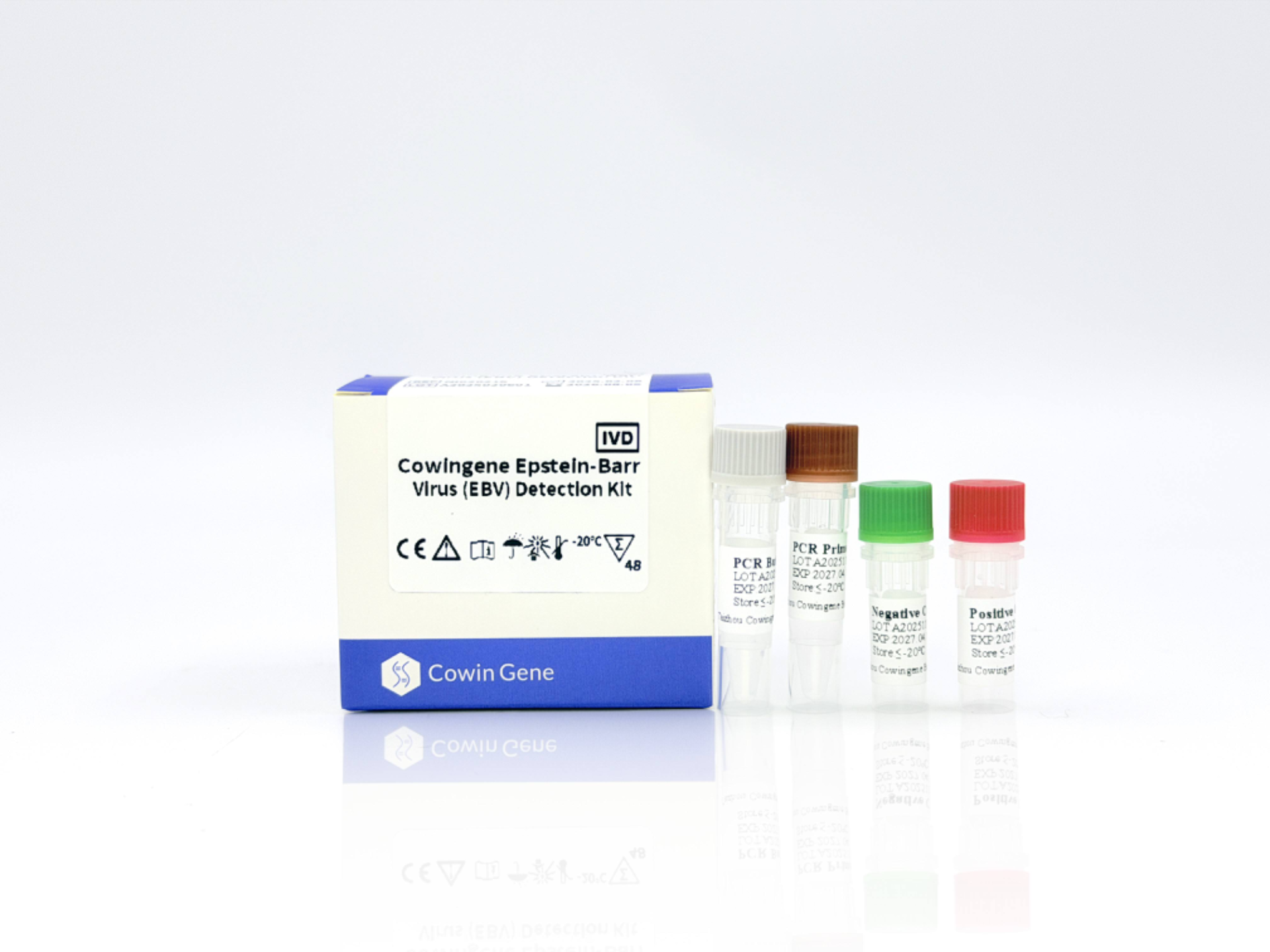
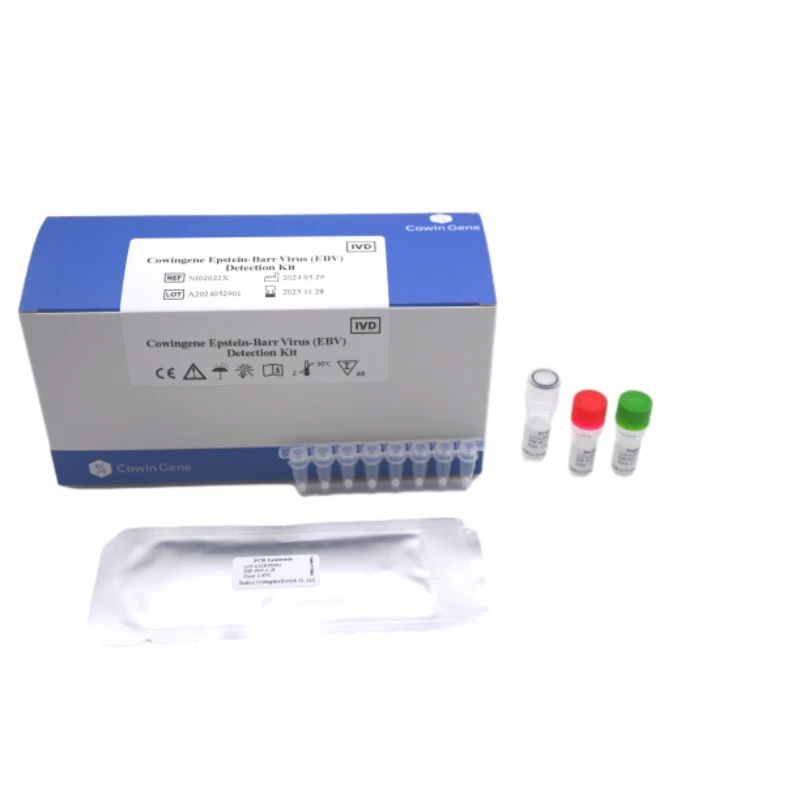
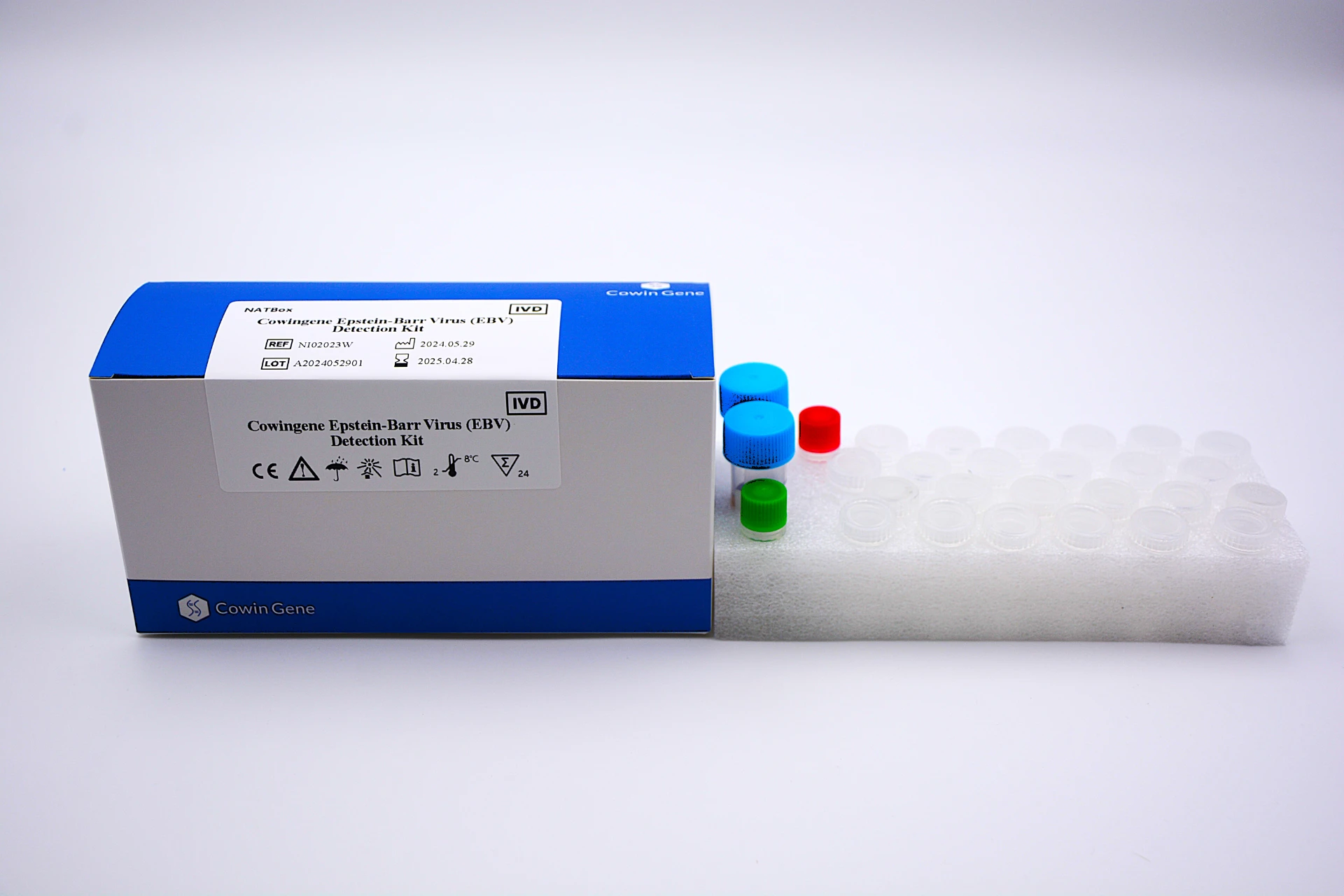
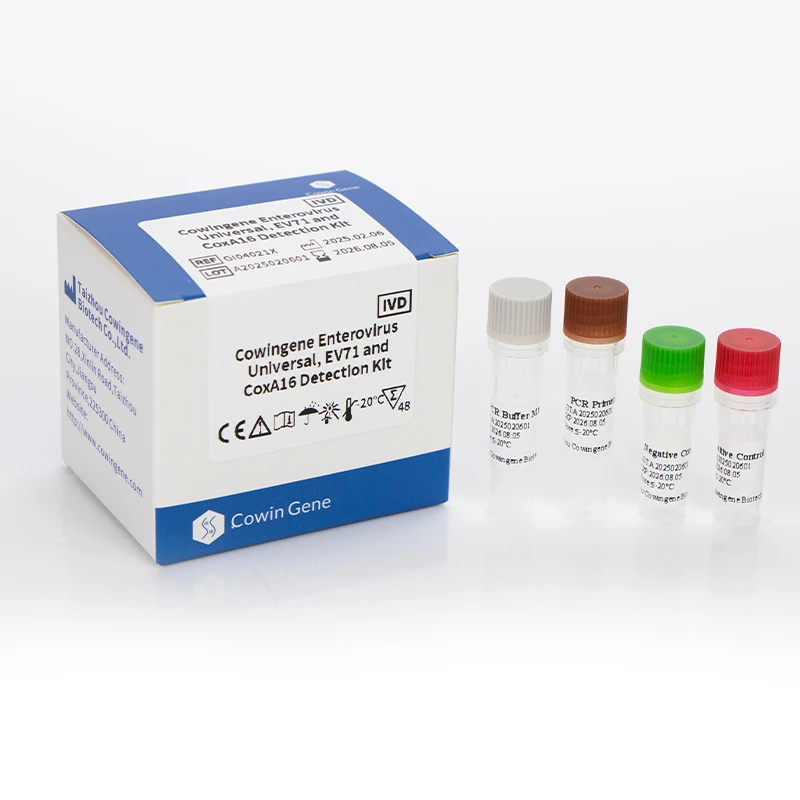
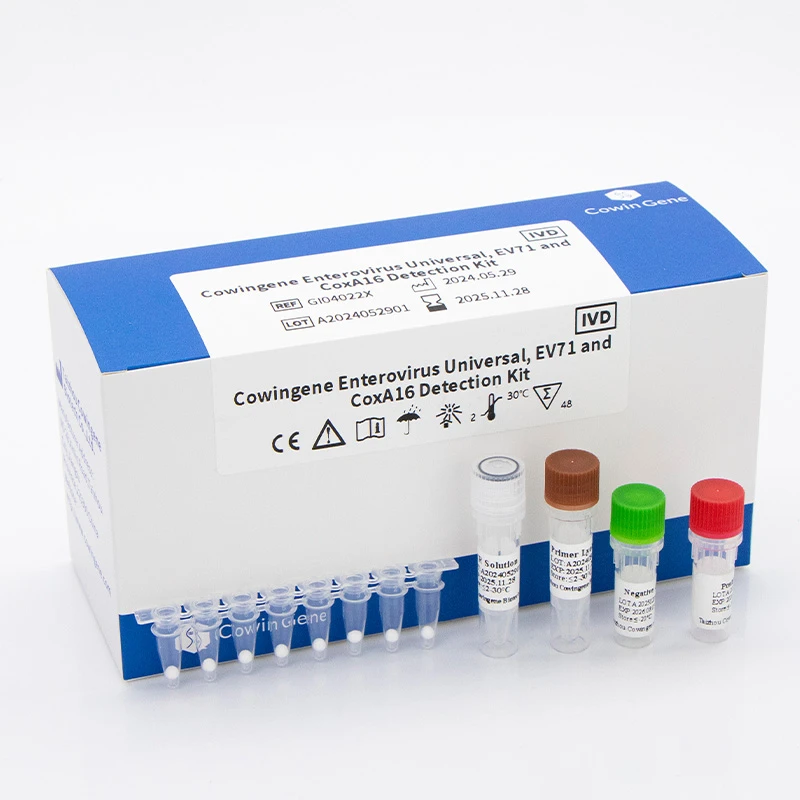
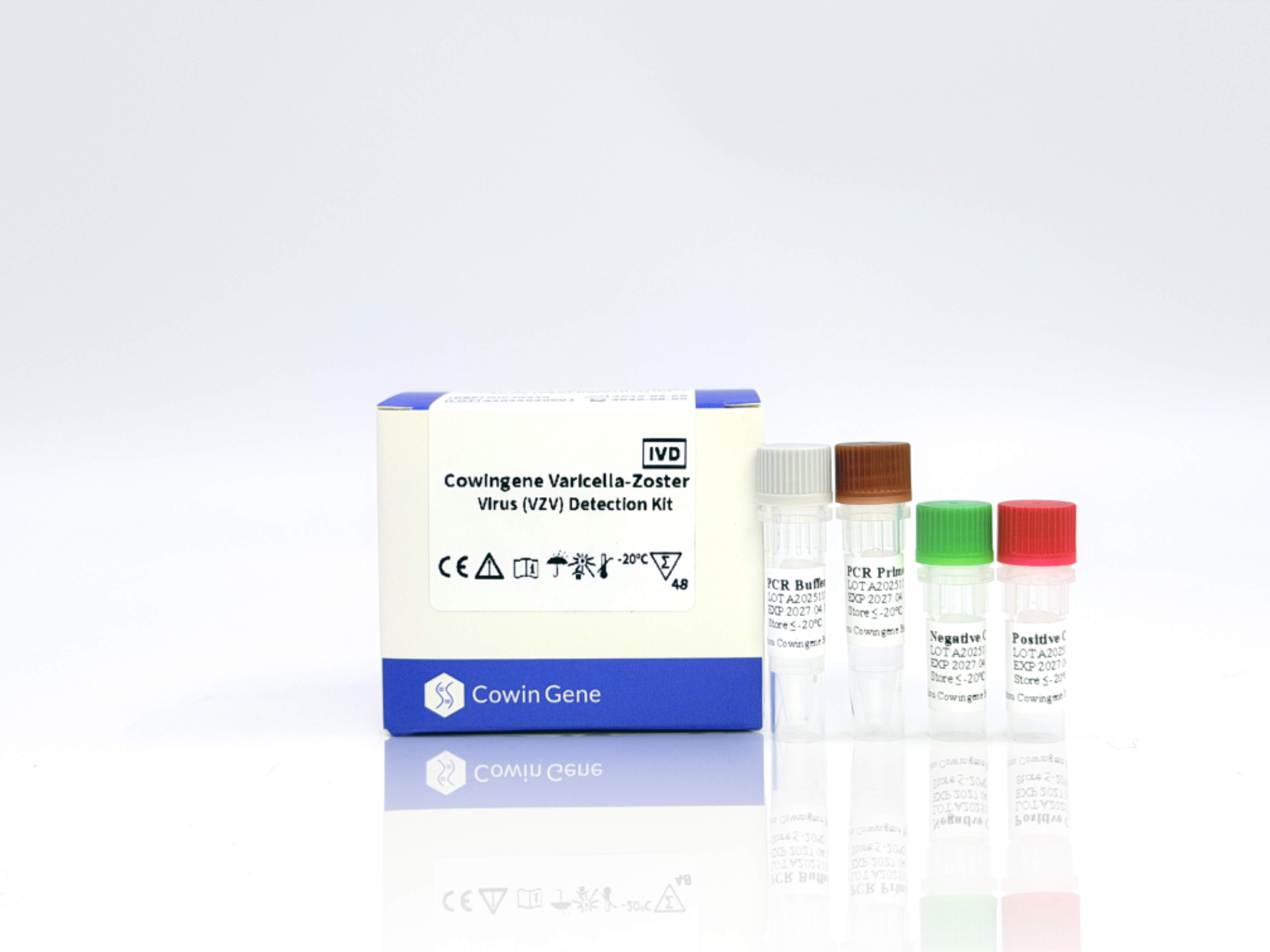
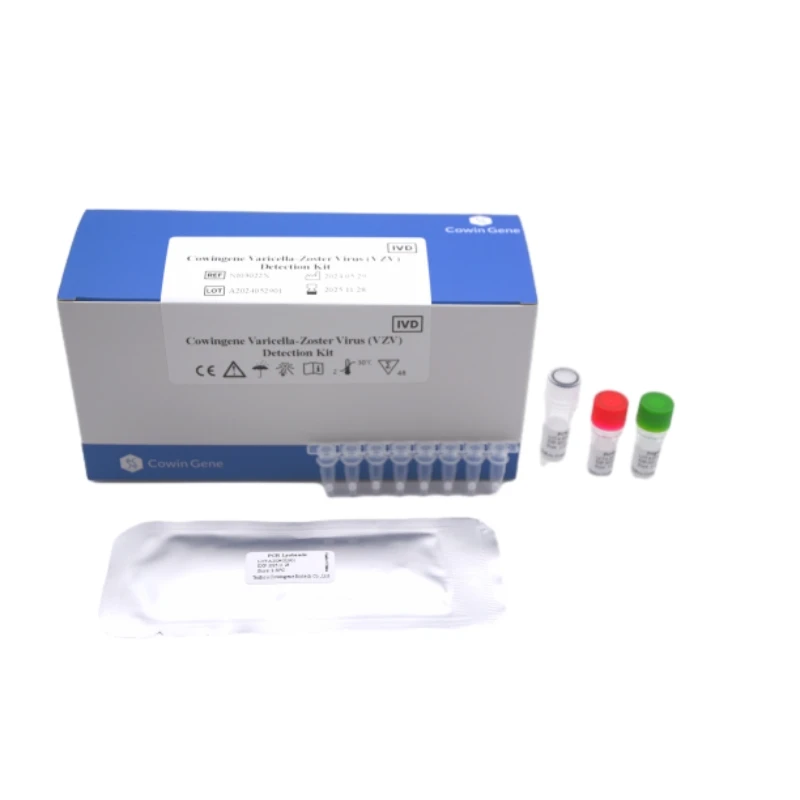
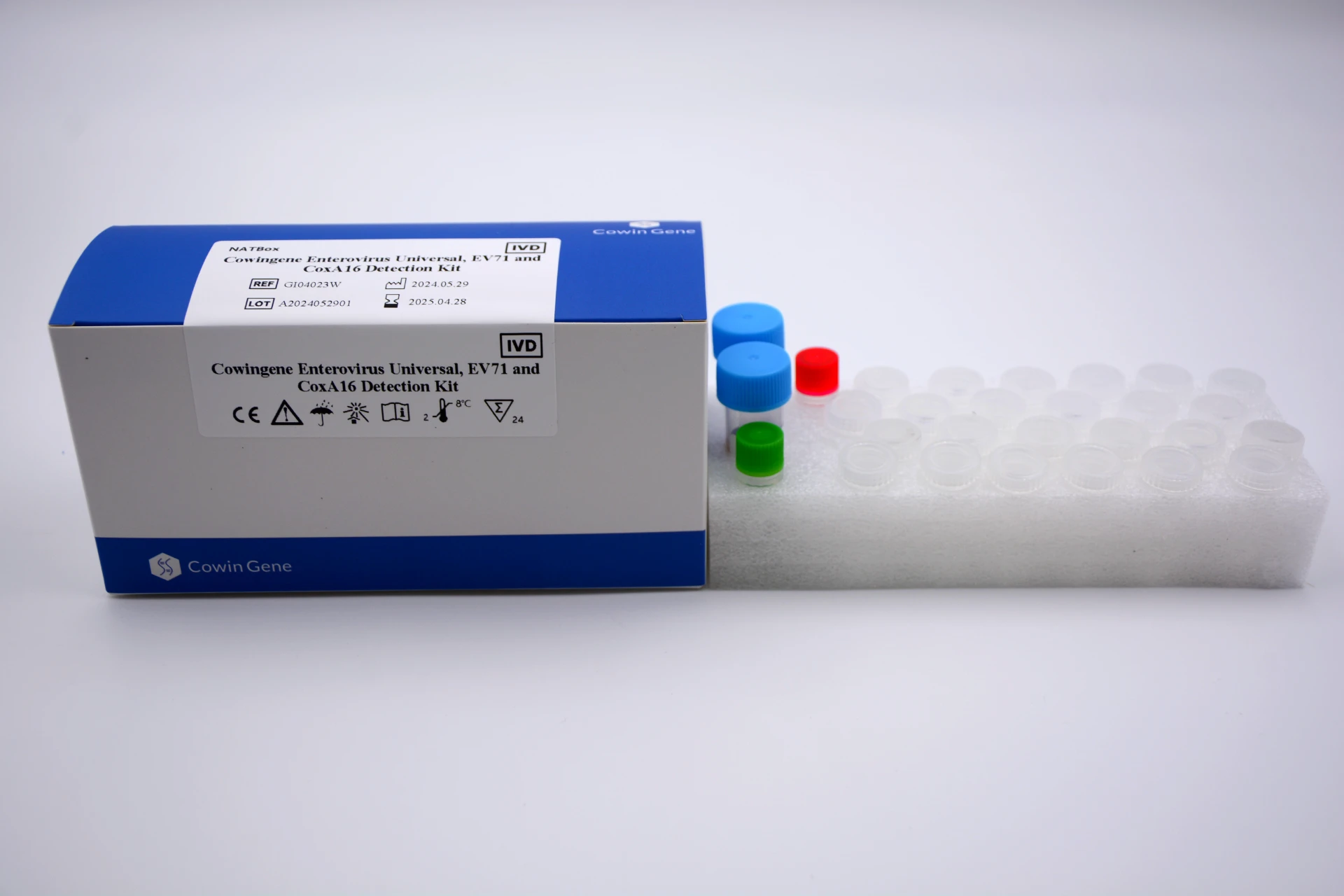
-
Comprehensive Stool GI Panel Analysis for Gut Health and Research Applications
NewsJan.27,2026 -
Understanding PCR DNA Stool Tests for Accurate Gastrointestinal Health Diagnostics
NewsJan.27,2026 -
PCR Diarrhea Panel: Fast, Accurate Gastrointestinal Pathogen Detection
NewsJan.06,2026 -
Comprehensive Guide to Diarrhea Pcr Panel for B2B Decision Makers | Cowingene
NewsJan.06,2026 -
Reliable Diarrhea PCR Kits for Fast Pathogen Detection | COWIN GENE
NewsJan.06,2026 -
Comprehensive Guide to Gi Pathogen Test Solutions for B2B Professionals
NewsJan.05,2026