أخبار
-
PCR Testing for Dengue Fever A Comprehensive Diagnostic Approach
Dengue fever, a mosquito-borne viral infection, poses a significant public health challenge globally. Early and accurate diagnosis is crucial for effective management and preventing severe complications. Polymerase Chain Reaction (PCR) testing has emerged as a highly sensitive and specific method for detecting the dengue virus. This article explores the role of PCR testing for dengue, its advantages, limitations, and how it compares to other diagnostic methods. Understanding these aspects is vital for healthcare professionals and individuals seeking reliable dengue diagnostics. CowinGene offers advanced PCR solutions for accurate dengue detection. PCR testing amplifies specific genetic material (RNA in the case of dengue) from a sample, even if the virus is present in low quantities. This amplification allows for highly sensitive detection. The process involves several steps: sample collection (usually blood), RNA extraction, reverse transcription (converting RNA to DNA), and PCR amplification using specific primers targeting dengue virus genes. The presence of amplified DNA indicates a positive result. CowinGene’s PCR kits are designed for efficient and reliable dengue RNA extraction and amplification.اقرأ المزيد -
Advancements in Bacillus Anthracis Detection Methods and Cowingene Solutions
The detection of Bacillus anthracis, the causative agent of anthrax, is critically important for public health and biodefense. Rapid and accurate identification is essential for effective treatment and containment. This article will delve into the various methods for bacillus anthracis detection, ranging from traditional culture-based techniques to cutting-edge molecular assays, with a particular focus on the solutions offered by Cowingene. Understanding these methods and their limitations is crucial for anyone involved in diagnostic laboratories, biodefense preparedness, or veterinary medicine. Early and precise detection of Bacillus anthracis can significantly impact patient outcomes and prevent widespread outbreaks. Historically, bacillus anthracis detection relied heavily on culture-based methods. Samples (e.g., blood, skin lesions, environmental samples) were streaked onto blood agar plates, where B. anthracis typically forms grayish-white, non-hemolytic colonies with a characteristic "medusa head" appearance. Further biochemical tests, such as spore staining and catalase testing, are used for confirmation. While relatively inexpensive, culture methods are slow – typically requiring 24-48 hours for visible colony formation, and several days for definitive identification.اقرأ المزيد -
Comprehensive Guide to West Nile Virus Test Cost and Testing Options
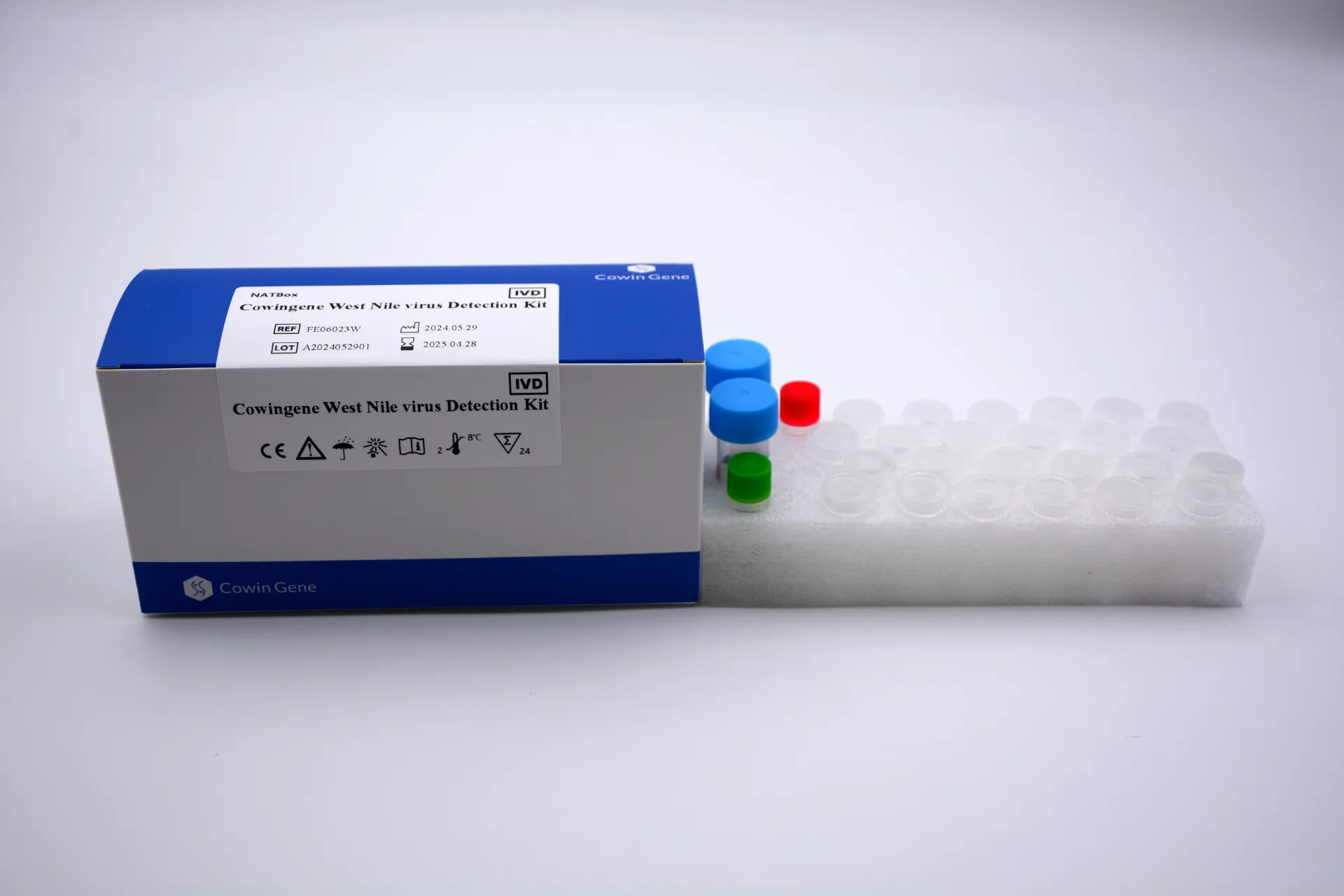
The West Nile virus is a mosquito-borne disease that can cause serious illness. Accurate and timely testing is crucial for diagnosis and public health monitoring. Determining the West Nile virus test cost can be complex, as it depends on several factors including the type of test, location, and healthcare provider. This article provides a comprehensive overview of the various tests available, the factors influencing their cost, and where to find reliable testing services. Early detection can significantly improve patient outcomes and contribute to effective disease control. We'll examine the different testing options and how to navigate the associated expenses. Several tests are used to detect West Nile virus. The most common include antibody tests (IgM and IgG), antigen tests (NS1), and Polymerase Chain Reaction (PCR) tests. Antibody tests detect the presence of antibodies produced by the body in response to the virus. IgM antibodies typically appear earlier in the infection, while IgG antibodies develop later and provide longer-term immunity. Antigen tests detect viral proteins, and PCR tests detect the virus’s genetic material. The choice of test depends on the stage of infection and the clinical presentation of the patient.اقرأ المزيد -
Comprehensive Guide to Understanding and Testing for West Nile Disease
West Nile virus (WNV) is a mosquito-borne illness that can cause a range of symptoms, from mild flu-like illness to serious neurological disease. Early and accurate diagnosis is crucial for patient management and public health surveillance. A test for West Nile Disease helps identify individuals infected with the virus, enabling prompt medical intervention and preventing further spread. This article will provide a comprehensive overview of WNV testing, the available methods, interpretation of results, and the role of Cowin Gene in providing reliable diagnostic solutions. Protecting yourself and your community starts with understanding the risks and available testing options. West Nile virus is transmitted to humans through the bite of infected mosquitoes. Most people infected with WNV experience no symptoms or mild, flu-like symptoms. However, in some cases, the virus can cause severe illness, including encephalitis (inflammation of the brain) or meningitis (inflammation of the membranes surrounding the brain and spinal cord). Symptoms of severe illness can include high fever, headache, neck stiffness, disorientation, seizures, and coma. Timely WNV testing is essential for several reasons: early diagnosis allows for supportive care and monitoring of neurological complications; it aids in public health surveillance to track the spread of the virus and implement effective mosquito control measures; and it helps differentiate WNV infection from other similar illnesses.اقرأ المزيد -
Comprehensive PCR Testing Solutions for West Nile Virus Detection and Diagnosis
West Nile Virus (WNV) is a mosquito-borne illness that can cause a range of symptoms, from mild flu-like illness to severe neurological disease. Accurate and timely diagnosis is crucial for effective patient management and public health surveillance. Cowin Gene specializes in providing high-quality PCR assays for the detection of West Nile Virus, aiding in rapid and reliable diagnosis. This article will explore the principles of PCR testing for WNV, its advantages, Cowin Gene’s offerings, and the importance of accurate testing in controlling this public health concern. Understanding the diagnostic process is vital for healthcare professionals and those monitoring for potential outbreaks. Polymerase Chain Reaction (PCR) is a molecular biology technique used to amplify specific DNA or RNA sequences. In the context of West Nile Virus detection, PCR targets viral RNA. The process involves several steps: RNA extraction from a sample (such as blood or cerebrospinal fluid), conversion of RNA to DNA (reverse transcription), and then amplification of a specific WNV gene segment. This amplification allows for the detection of even very small amounts of the virus, making PCR a highly sensitive diagnostic tool.اقرأ المزيد -
Comprehensive Guide to Blood Test for West Nile Virus Diagnosis and Management
West Nile Virus (WNV) is a mosquito-borne disease that can cause a range of symptoms, from mild flu-like illness to severe neurological disease. Early detection is crucial for managing the infection and preventing long-term complications. A blood test for West Nile Virus is the primary method for diagnosing the infection. This article provides a detailed overview of WNV, the available blood tests, interpretation of results, and the role of Cowingene in providing accurate and reliable testing solutions. Understanding the testing process and potential outcomes is vital for both healthcare professionals and individuals concerned about WNV exposure. Most people infected with WNV experience no symptoms or mild, flu-like symptoms, such as fever, headache, body aches, and fatigue. However, in a small percentage of cases, the virus can cause serious neurological illnesses like encephalitis (inflammation of the brain) or meningitis (inflammation of the membranes surrounding the brain and spinal cord). Individuals at higher risk of developing severe illness include older adults, people with weakened immune systems, and those with certain chronic medical conditions.اقرأ المزيد -
Comprehensive West Nile Virus Test Kit Solutions for Accurate Detection
West Nile Virus (WNV) is a mosquito-borne illness that can affect humans, horses, and birds. Early and accurate detection is crucial for effective public health management and veterinary care. A West Nile test kit provides a rapid and reliable method for identifying the presence of WNV antibodies, aiding in prompt diagnosis and control measures. This article will explore the importance of WNV testing, the different types of available kits, and the benefits of choosing a high-quality diagnostic solution from Cowingene. Protecting communities and animal populations requires vigilant monitoring and effective testing strategies. West Nile Virus can present with a range of symptoms, from mild flu-like illness to severe neurological disease. Many individuals infected with WNV are asymptomatic, making widespread testing essential for tracking the virus's prevalence. In horses, WNV can cause neurological signs such as ataxia, weakness, and paralysis. Accurate and timely testing allows for appropriate veterinary intervention and potentially life-saving treatment.اقرأ المزيد -
Comprehensive West Nile Virus PCR Test Guide for Accurate Detection and Prevention
Understanding the risks associated with West Nile Virus (WNV) is crucial for public health and individual well-being. Accurate and timely diagnosis is key to managing potential outbreaks and providing appropriate patient care. The West Nile Virus PCR test offered by Cowingene is a highly sensitive and specific method for detecting the presence of the virus. This article will provide a detailed overview of WNV, the importance of PCR testing, the benefits of choosing Cowingene, and what the test results mean. Protecting yourself and your community starts with informed decisions about testing and prevention. West Nile Virus is a mosquito-borne illness that can affect humans, birds, horses, and other mammals. It’s primarily transmitted through the bite of infected mosquitoes. While many people infected with WNV experience no symptoms, approximately 20% develop West Nile fever, characterized by fever, headache, body aches, nausea, vomiting, and sometimes a rash. A smaller percentage of infected individuals (less than 1%) develop severe neurological illness, such as encephalitis or meningitis, which can be life-threatening.اقرأ المزيد -
Comprehensive Guide to Plasmodium PCR for Accurate Malaria Detection and Diagnosis
The accurate and timely detection of Plasmodium species, the parasites responsible for malaria, is crucial for effective disease management and control. Polymerase Chain Reaction (PCR) has emerged as a gold standard diagnostic technique due to its high sensitivity and specificity. This article provides a detailed overview of Plasmodium PCR, covering its principles, applications, advantages, and the solutions offered by Cowingene, a leading provider of molecular biology solutions. Accurate diagnosis through PCR is vital in endemic areas and for travelers returning from malaria-prone regions. PCR amplifies specific DNA sequences of the Plasmodium parasite, even when present in very low concentrations within a patient’s sample. This makes it significantly more sensitive than traditional methods like microscopy, which relies on identifying parasites visually in blood smears. The process involves several cycles of denaturation, annealing, and extension, utilizing specific primers designed to target conserved regions of Plasmodium DNA. Different primer sets can be used to detect specific Plasmodium species, contributing to accurate species identification. Real-time PCR (qPCR) further enhances this technology by allowing for the quantification of parasite load, providing valuable information for disease monitoring and treatment response.اقرأ المزيد -
Comprehensive Review of Plasmodium Detection Methods for Effective Malaria Management
إن الكشف الدقيق وفي الوقت المناسب عن البلازموديوم، الطفيلي المسؤول عن الملاريا، أمر بالغ الأهمية لإدارة المرض ومكافحته بشكل فعال. لا تزال الملاريا تشكل تحديًا صحيًا عالميًا كبيرًا، وتلعب الاختبارات التشخيصية السريعة دورًا حيويًا في الحد من معدلات الإصابة بالمرض والوفيات. تتعمق هذه المقالة في الطرق المختلفة المستخدمة للكشف عن البلازموديوم، مع التركيز على مبادئها ومزاياها وقيودها. يعد فهم هذه التقنيات أمرًا ضروريًا لمتخصصي الرعاية الصحية والباحثين وأي شخص مشارك في جهود الوقاية من الملاريا. التشخيص الدقيق هو الخطوة الأولى نحو العلاج المناسب، وفي نهاية المطاف، القضاء على هذا المرض المدمر. لعقود من الزمن، كان الفحص المجهري لطاخات الدم الملطخة بالغيمزا هو المعيار الذهبي للكشف عن البلازموديوم. وتعتمد هذه الطريقة على تحديد الأشكال الطفيلية داخل خلايا الدم الحمراء. على الرغم من أن الفحص المجهري غير مكلف نسبيًا ومتاح بسهولة، إلا أنه يعتمد بشكل كبير على مهارة وخبرة المجهري. يمكن لعوامل مثل كثافة الطفيليات وجودة التلوين وإرهاق المشغل أن تؤثر بشكل كبير على الدقة. علاوة على ذلك، قد يكون التمييز بين أنواع البلازموديوم المختلفة أمرًا صعبًا، خاصة بالنسبة لأولئك الأقل دراية بالاختلافات المورفولوجية الدقيقة. من المهم أن نتذكر أن حساسية الفحص المجهري تتأثر بطفيليات الدم (عدد الطفيليات في الدم). أحدثت اختبارات التشخيص السريع (RDTs) ثورة في تشخيص الملاريا، وخاصة في البيئات المحدودة الموارد.اقرأ المزيد