News
-

Comprehensive Analysis of vzv DNA PCR for Accurate Viral Detection and Diagnosis
In the realm of molecular diagnostics, accurate and reliable detection of viral infections is paramount. vzv DNA PCR (Varicella-Zoster Virus DNA Polymerase Chain Reaction) stands as a crucial technique for identifying the presence of the Varicella-Zoster Virus, responsible for chickenpox and shingles. This article delves into the principles, benefits, and applications of vzv DNA PCR, highlighting its significance in clinical diagnostics. Cowin Gene Co., Ltd. providesRead more -
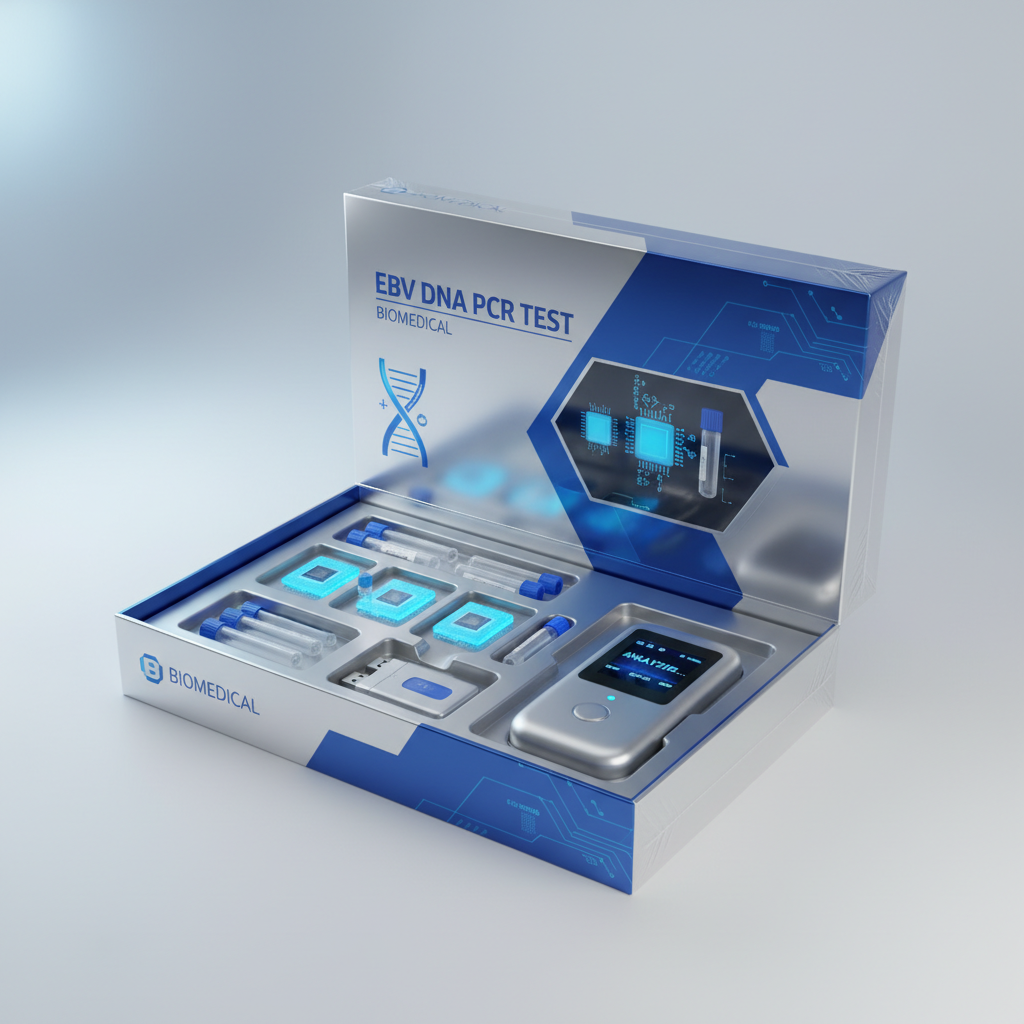
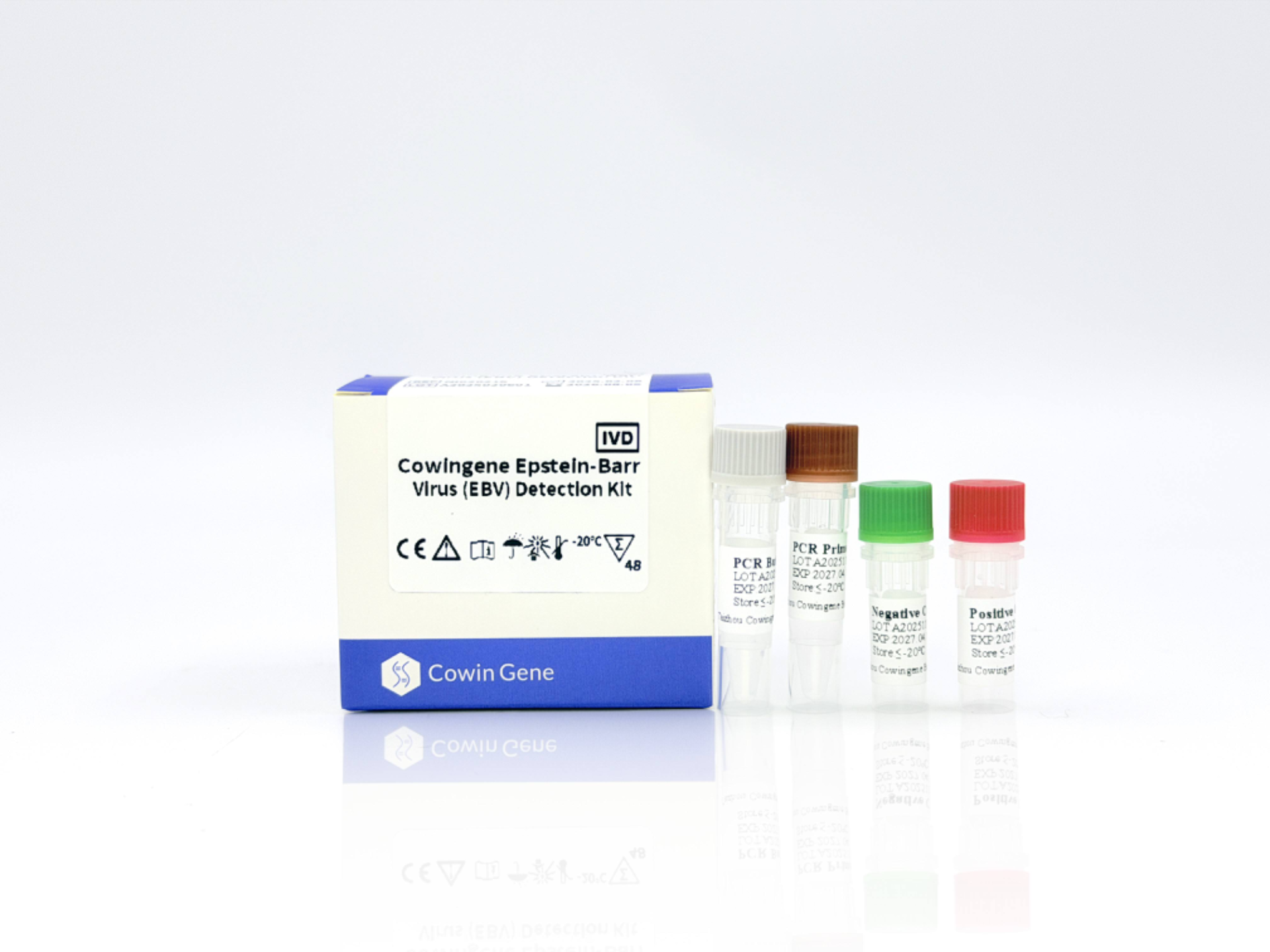
Comprehensive Guide to EBV DNA PCR Testing for Accurate Diagnosis and Management
The Epstein-Barr Virus (EBV) is a highly common human virus. Understanding the role of an EBV DNA PCR test is crucial for accurate diagnosis and effective management of EBV-related conditions. This article provides an in-depth look at what the test entails, its clinical significance, how it’s performed, interpretation of results, and benefits. Early and accurate detection is paramount for improving patient outcomes, and this test serves as a valuable tool in achieving that goal. An EBV DNA PCR (Polymerase Chain Reaction) test is a molecular diagnostic test used to detect the presence of Epstein-Barr virus DNA in a biological sample, typically blood or cerebrospinal fluid. PCR amplifies specific DNA sequences, making even small amounts of viral DNA detectable. This test differs from antibody tests, which detect the body’s immune response to EBV. The EBV DNA PCR test directly identifies the virus itself, offering a more accurate and sensitive assessment of active infection or viral load.Read more -
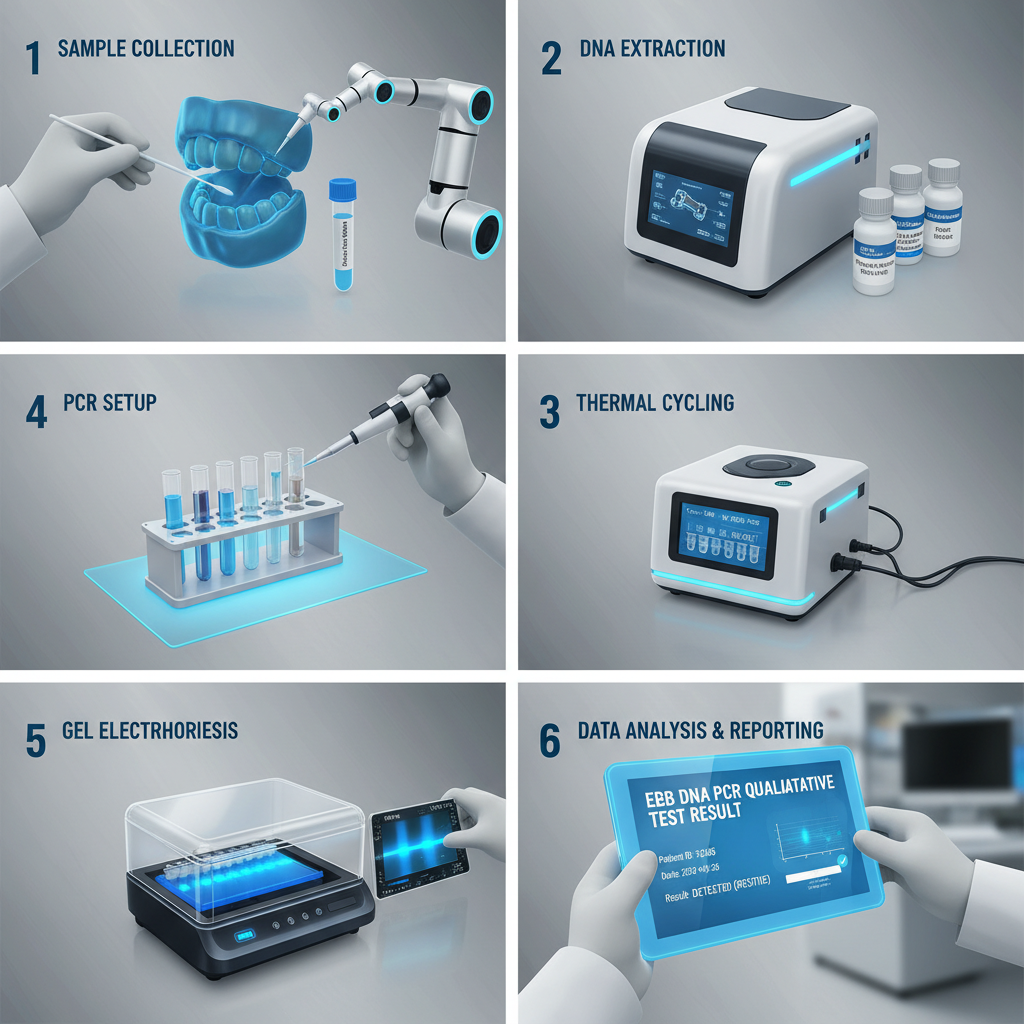
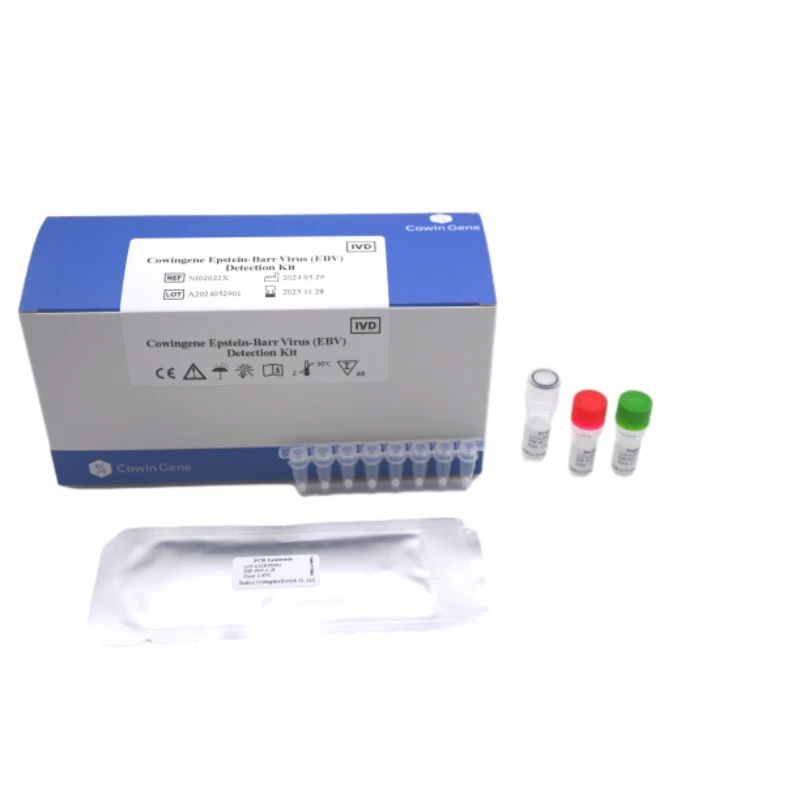
Comprehensive Guide to EBV DNA PCR Qualitative Test for Accurate Diagnosis
The Epstein-Barr virus (EBV) is a highly prevalent human herpesvirus, associated with a range of clinical manifestations, from infectious mononucleosis to certain types of cancer. Accurate and reliable detection of EBV is crucial for diagnosis, monitoring, and treatment decisions. The EBV DNA PCR qualitative test is a highly sensitive molecular assay used to detect the presence of EBV DNA in various clinical samples. This article provides a detailed overview of the test, its applications, benefits, and considerations, aiming to offer comprehensive information for healthcare professionals and individuals seeking understanding. Understanding the principles and clinical utility of this test is key to effective EBV management. The EBV DNA PCR qualitative test is a molecular diagnostic assay that specifically detects the presence of Epstein-Barr virus DNA in a sample. Unlike quantitative PCR, which measures the viral load, this test simply indicates whether the virus is present (positive) or absent (negative). It employs the Polymerase Chain Reaction (PCR) technique to amplify specific DNA sequences unique to EBV, making even small amounts of viral DNA detectable.Read more -
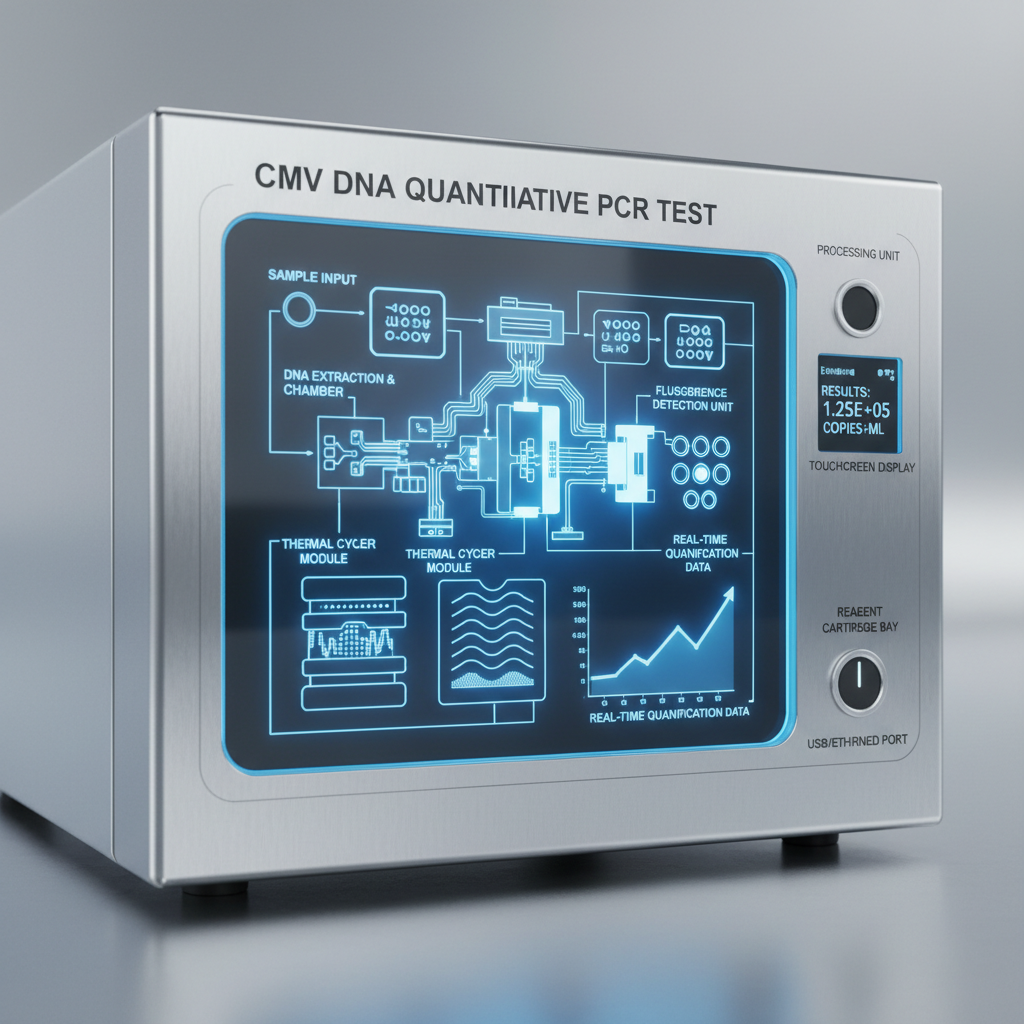
Comprehensive Guide to CMV DNA Quantitative PCR Test for Accurate Viral Load Detection
Cytomegalovirus (CMV) is a common virus that can cause serious health issues, particularly in immunocompromised individuals and pregnant women. Accurate and timely diagnosis is crucial for effective management. The CMV DNA Quantitative PCR Test offered by Cowingene is a highly sensitive and specific molecular diagnostic tool used to detect and quantify CMV viral load. This article provides a detailed overview of the test, its clinical significance, applications, and benefits, ensuring a comprehensive understanding for healthcare professionals and patients alike. Understanding your options for CMV testing is the first step towards proactive health management. The test utilizes polymerase chain reaction (PCR) technology to amplify and detect CMV DNA in a sample. This allows for the precise quantification of the viral load, providing valuable information about the stage and severity of infection. Unlike qualitative PCR tests that simply determine the presence or absence of the virus, quantitative PCR provides a numerical value representing the amount of viral DNA present.Read more -
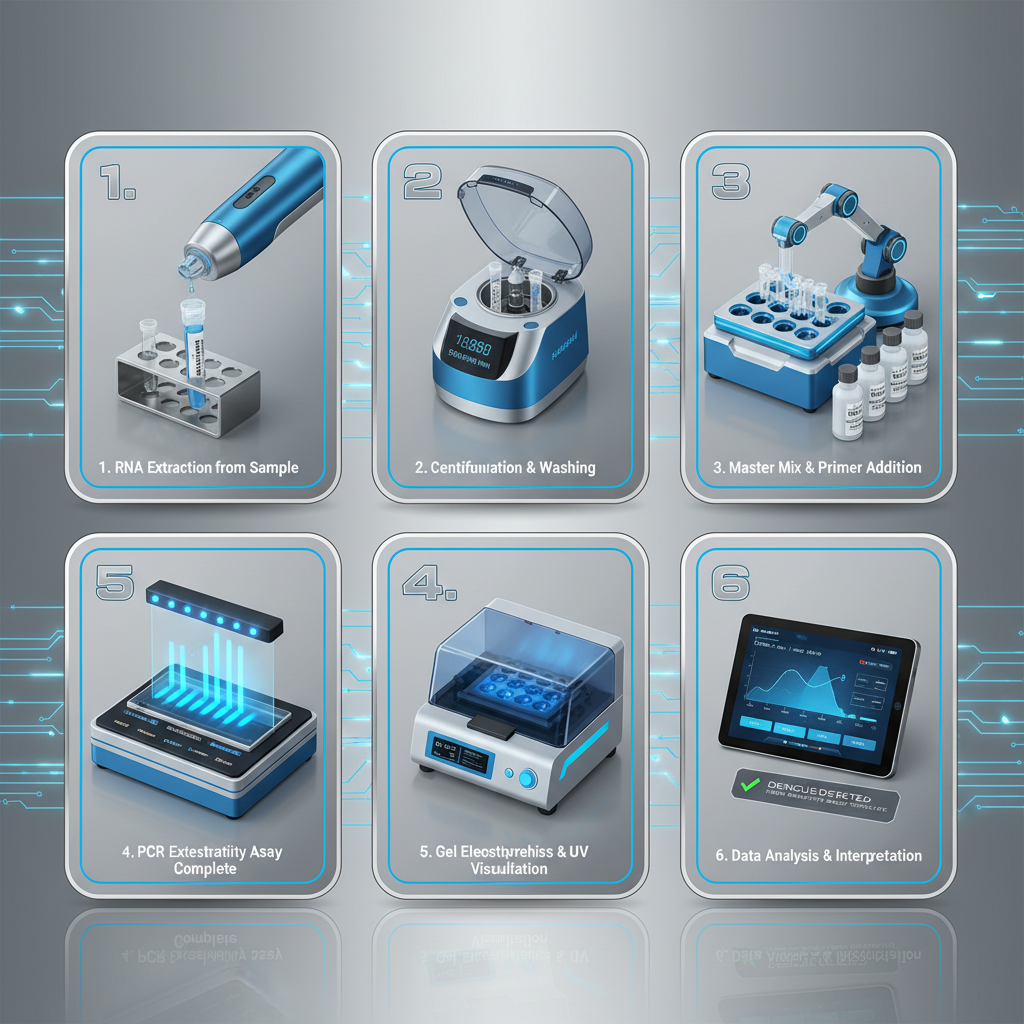
Understanding Dengue PCR Sensitivity for Accurate and Timely Diagnosis
Accurate and timely diagnosis is crucial in managing the spread of dengue fever. Polymerase Chain Reaction (PCR) testing has become a cornerstone of dengue diagnosis, offering high sensitivity and specificity. However, understanding dengue PCR sensitivity is essential for interpreting test results correctly and making informed clinical decisions. This article delves into the factors influencing PCR sensitivity, explores current standards, and highlights the importance of reliable testing solutions from providers like Cowin Gene. Early and accurate detection can significantly improve patient outcomes and control outbreaks. Dengue PCR tests detect the presence of the dengue virus's genetic material (RNA) in a blood sample. The sensitivity of a PCR test refers to its ability to correctly identify true positive cases – that is, to detect even small amounts of the virus. A highly sensitive test minimizes the risk of false negatives, ensuring that infected individuals are accurately diagnosed, even during the early stages of infection when viral loads might be low.Read more -
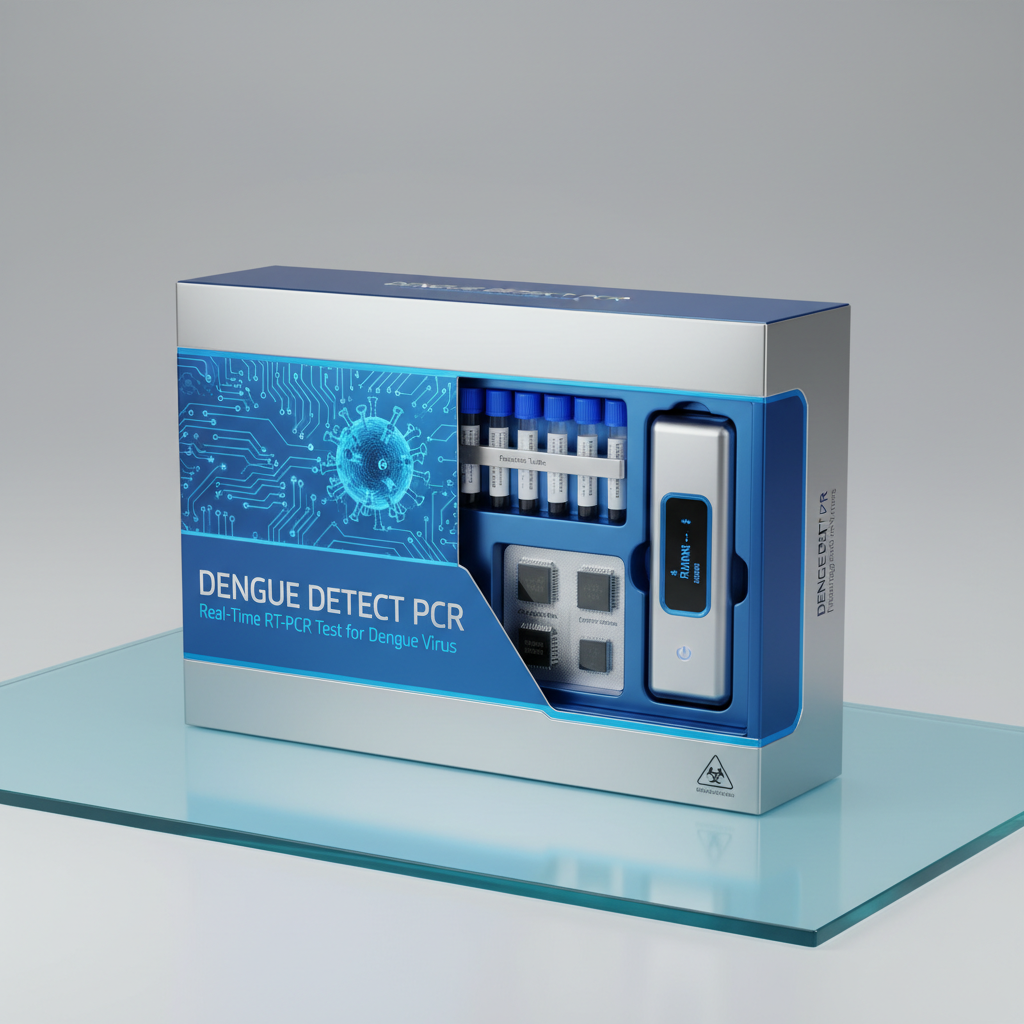
What is PCR Test for Dengue A Comprehensive Guide to Diagnosis and Detection
Dengue fever, a mosquito-borne viral infection, is a significant public health concern in many tropical and subtropical regions. Accurate and timely diagnosis is crucial for effective management and control. While various diagnostic methods exist, the Polymerase Chain Reaction (PCR) test has emerged as a highly sensitive and specific tool for detecting the dengue virus. This article will delve into the details of the PCR test for dengue, explaining its principles, benefits, limitations, and how it compares to other diagnostic approaches. Understanding this test is vital for healthcare professionals and individuals alike, ensuring prompt and appropriate care. PCR, or Polymerase Chain Reaction, is a molecular biology technique used to amplify specific DNA or RNA sequences. In the context of dengue diagnosis, PCR targets the RNA genome of the dengue virus. The process involves several steps: extraction of viral RNA from a patient sample (usually blood), conversion of RNA into DNA, and then amplification of the dengue virus-specific DNA sequence. This amplification allows for the detection of even small amounts of the virus, making PCR a highly sensitive test. Cowin Gene offers advanced PCR solutions for accurate dengue detection. The PCR test is particularly valuable during the early stages of dengue infection (within the first 5-7 days of symptoms).Read more -

What is Dengue PCR Test A Comprehensive Guide to Diagnosis and Serotype Detection
Dengue fever, a mosquito-borne viral infection, is a significant public health concern in many tropical and subtropical regions worldwide. Early and accurate diagnosis is crucial for effective management and preventing severe complications. A Dengue PCR test is one of the most sensitive and specific methods available for detecting the dengue virus. This article will delve into the details of this test, explaining its principles, procedure, interpretation, and benefits, offering valuable information for healthcare professionals and individuals concerned about dengue infection. Understanding the science behind the test ensures informed decision-making and prompt medical attention. PCR, or Polymerase Chain Reaction, is a molecular biology technique used to amplify specific DNA or RNA sequences. In the context of dengue diagnosis, PCR targets the genetic material (RNA) of the dengue virus.Read more -
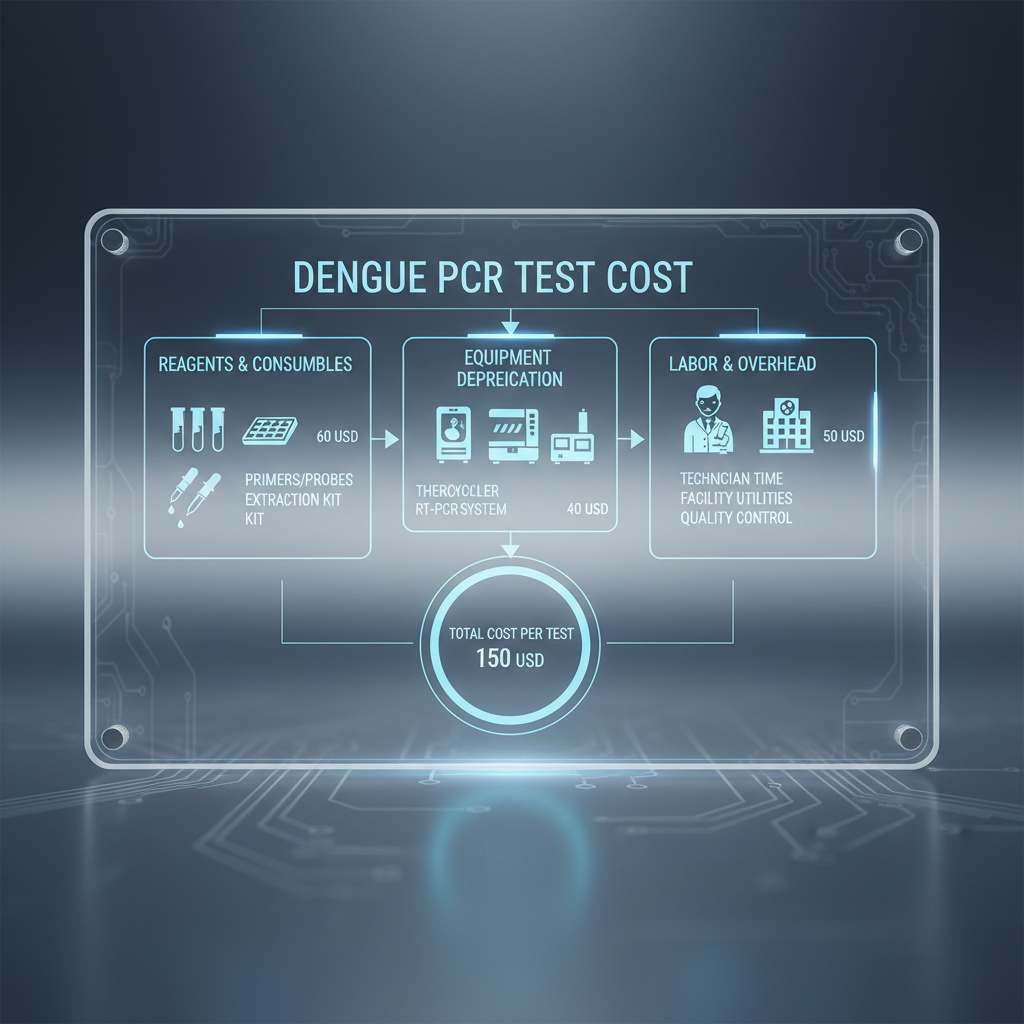
Comprehensive Guide to Dengue PCR Test Cost and Reliable Testing Services
Dengue fever, a mosquito-borne viral infection, is a significant public health concern globally. Accurate and timely diagnosis is crucial for effective management and prevention of severe complications. The Polymerase Chain Reaction (PCR) test is widely considered the gold standard for detecting the dengue virus. However, understanding the dengue PCR test cost is essential for individuals, healthcare providers, and public health organizations. This article provides a detailed overview of the factors influencing the cost, pricing variations, and where to access reliable testing services like those offered by Cowingene. Early detection can greatly improve patient outcomes and reduce the spread of this infectious disease. A Dengue PCR test detects the presence of the dengue virus’s genetic material (RNA) in a blood sample. Unlike antibody-based tests, which detect the body’s response to the virus, PCR directly identifies the virus itself, making it highly accurate, especially during the early stages of infection. This is critical because early diagnosis allows for prompt medical care, preventing the progression to severe dengue, which can be life-threatening. The PCR test is also crucial for monitoring outbreaks and guiding public health interventions.Read more -
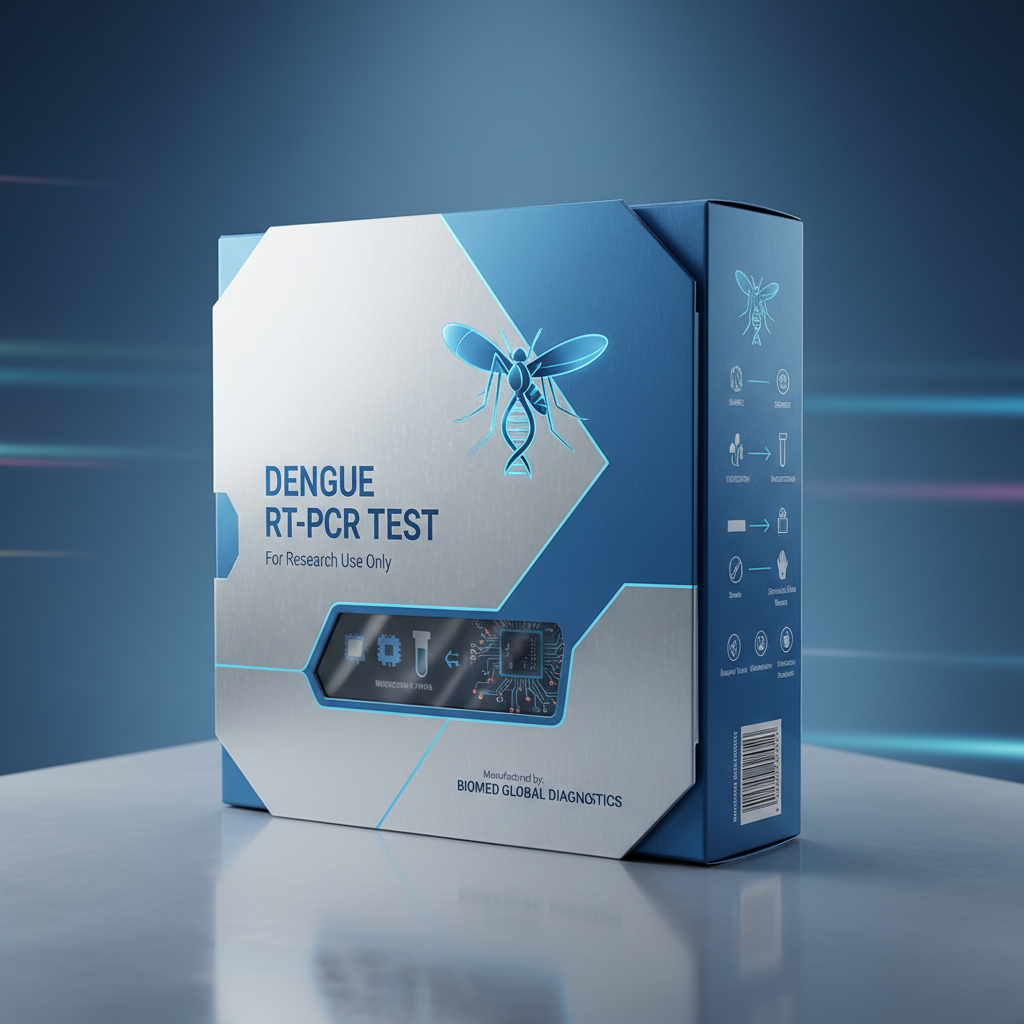
Comprehensive Guide to RT PCR Test for Dengue Diagnosis and Cowin Gene Solutions
Dengue fever, a mosquito-borne viral infection, remains a significant public health concern globally. Accurate and timely diagnosis is crucial for effective management and control. The RT PCR test for dengue has emerged as the gold standard for detecting the dengue virus, offering high sensitivity and specificity. This article delves into the intricacies of this diagnostic method, its benefits, applications, and why Cowin Gene is a trusted provider of dengue PCR testing solutions. Early and accurate diagnosis is paramount in mitigating the impact of dengue outbreaks. RT PCR, which stands for Reverse Transcription Polymerase Chain Reaction, is a molecular test that detects the genetic material (RNA) of the dengue virus. Unlike antibody-based tests, which detect the body’s immune response, RT PCR directly identifies the presence of the virus itself. This makes it particularly useful during the early stages of infection, when viral load is highest and antibody levels are still low. The process involves converting the viral RNA into DNA, which is then amplified to detectable levels.Read more -
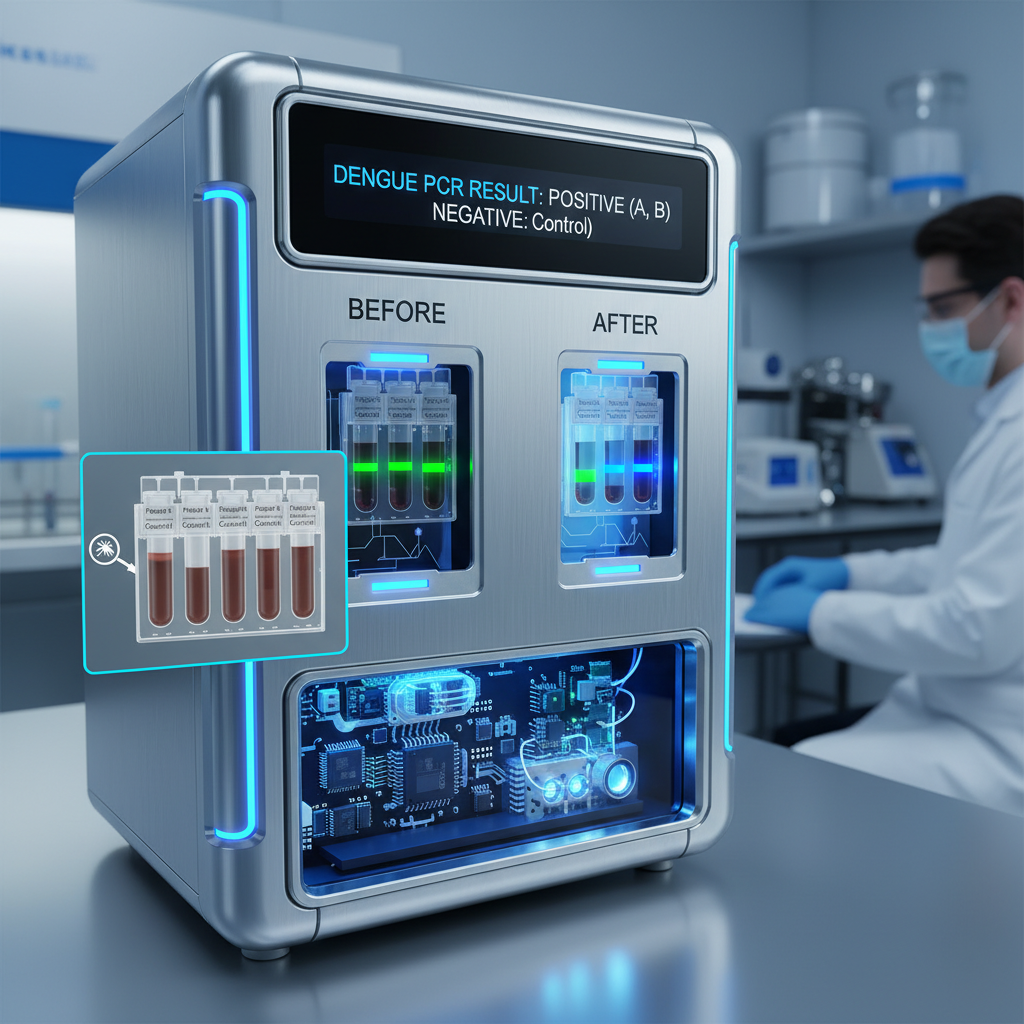
Advancements in Dengue Fever Diagnosis Utilizing the PCR Test for Accurate Detection
Dengue fever, a mosquito-borne viral infection, poses a significant public health challenge globally. Early and accurate diagnosis is crucial for effective management and preventing severe complications. A PCR test for dengue fever has emerged as a highly sensitive and specific method for detecting the virus, even during the early stages of infection. This article will explore the science behind PCR testing, its advantages, applications, and how Cowin Gene provides reliable and rapid PCR solutions for dengue diagnosis. Early detection is vital for controlling outbreaks and improving patient outcomes. Polymerase Chain Reaction (PCR) is a molecular biology technique used to amplify specific DNA or RNA sequences. In the context of dengue fever, PCR tests target the viral RNA. The process involves several steps: sample collection (typically blood), RNA extraction, reverse transcription (converting RNA to DNA), and PCR amplification. The amplified DNA is then detected, indicating the presence of the dengue virus. PCR is notably more sensitive than traditional methods like antigen tests, meaning it can detect even small amounts of the virus. This early detection allows for prompt medical intervention and reduces the risk of severe dengue symptoms.Read more